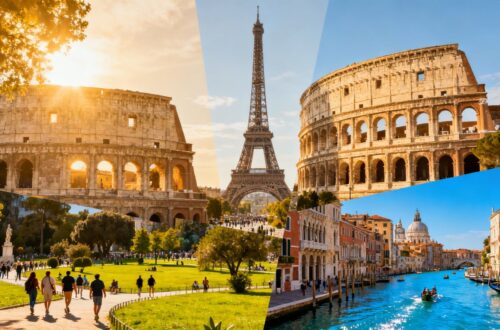
Things are getting a bit pricey everywhere, aren’t they? It feels like those usual European hotspots are starting to cost as much as a fancy resort, and honestly, they’re all starting to look a bit the same. But don’t you worry! If your wallet’s feeling a little thin this year, there are still plenty of amazing places in Europe that won’t drain your bank account. The best part? These budget-friendly spots often mean fewer tourists, less crowding, and cheaper flights. So, get ready to explore some of the best cheap European city breaks for 2026.
Key Takeaways
- Many popular European cities are becoming more expensive due to overtourism and rising costs, making budget travel more challenging.
- Less crowded, more affordable cities often offer a more authentic experience with fewer tourists and cheaper flights.
- Smart planning, like traveling mid-week, eating local, and booking in advance or spontaneously, can help make cheap European city breaks even more budget-friendly.
1. Prague, Czech Republic
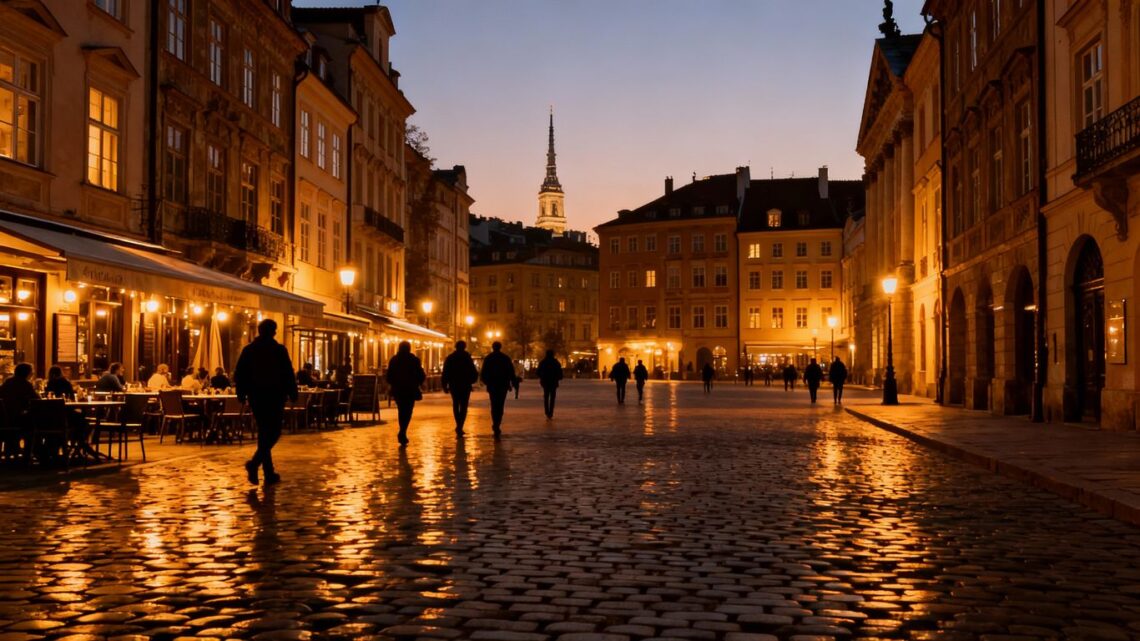
Prague, the City of a Hundred Spires, really does feel like stepping into a storybook, but thankfully, your wallet won’t feel like it’s been ransacked by royalty. It’s a place where you can wander through history without spending a fortune. The skyline itself is a big draw, dotted with those famous medieval towers, and the architecture, a mix of Gothic and Baroque, is just stunning.
The Old Town Square is a must-see, especially when the Astronomical Clock does its hourly show – it’s a bit of a spectacle. From there, a walk across the Charles Bridge, with all the statues and artists, is pretty iconic. If you head up to Prague Castle, the views over the red rooftops are something else. The best part? Admiring the city’s beauty often costs nothing, and most attractions are pretty easy on the budget.
When you get hungry, Czech food is hearty and won’t break the bank. You’ve got to try things like svíčková (a creamy beef dish) or trdelník (that sweet, rolled pastry). And the beer? It’s world-famous and often cheaper than bottled water, which is a win in my book.
Here’s a quick look at some typical costs:
| Item | Average Price (EUR) |
|---|---|
| Coffee | 1.50 – 3.00 |
| Local Beer (0.5L) | 2.50 – 3.50 |
| 3-Course Meal | 30.00 – 50.00 (for 2) |
After dark, Prague has a lively side too. There are tons of pubs, jazz clubs, and places to dance, from riverside spots to old cellar taverns. It’s a really social city, especially if you stay in a hostel – you’ll meet people easily and have plenty of company for exploring.
Prague offers a fantastic blend of old-world charm and modern buzz. You can spend your days exploring ancient castles and your evenings enjoying affordable craft beers in trendy neighborhoods. It’s a city that manages to feel both grand and accessible, making it a top pick for a budget-friendly European adventure.
2. Budapest, Hungary
Budapest, often called the ‘Pearl of the Danube,’ is a city that really knows how to give you a lot for your money. It’s split right down the middle by the river, with Buda on one side and Pest on the other, each offering a different vibe. Buda feels a bit more historic, with its castle and hilly streets, while Pest is where most of the action is, especially when it comes to nightlife and just general city buzz.
You can see a surprising amount of Budapest without spending a dime. Just take a stroll across the iconic Chain Bridge, or if you’re up for a bit of a climb, head up Gellért Hill for some seriously amazing views over the whole city. Wandering along the Danube Promenade as the sun sets and the city lights start to twinkle is also a pretty magical experience, and it’s completely free. The Hungarian Parliament Building and Fisherman’s Bastion are stunning to look at from the outside, too.
When it comes to things to do that cost a little, Budapest’s thermal baths are a must. Places like Széchenyi and Gellért are famous for a reason, and you can spend hours soaking in the warm, mineral-rich waters without emptying your wallet. For evenings, you absolutely have to check out the ruin bars. These are unique spots set up in old, abandoned buildings, filled with all sorts of quirky furniture and cool decorations. They’re a great place to grab a drink and soak up the local atmosphere.
Food in Budapest is hearty and won’t break the bank either. You’ve got to try traditional goulash soup or langos, which is basically fried dough with toppings like cheese and garlic. The Central Market Hall is also a fantastic place to sample local treats and get a real feel for Hungarian cuisine.
Here are a few budget-friendly highlights:
- Thermal Baths: Relax and rejuvenate in famous spots like Széchenyi or Gellért. Some smaller baths offer even more affordable entry.
- Ruin Bars: Experience Budapest’s unique nightlife in creatively decorated bars set up in old buildings.
- Gellért Hill: Climb for panoramic city views, especially beautiful at sunset.
- Central Market Hall: Explore local food stalls and try traditional Hungarian dishes.
Budapest offers a fantastic mix of grand history, relaxing thermal springs, and a vibrant, modern energy, all without demanding a huge budget. It’s a city that feels both grand and accessible, making it a top pick for an affordable European getaway.
Getting around is pretty easy too. You can buy single tickets or day passes for public transport, which are quite reasonably priced. If you’re looking to stay somewhere social and cheap, hostels are plentiful and often organize group activities like walking tours or pub crawls, which can be a fun way to meet people and see the city.
3. Krakow, Poland
Krakow is one of those cities that just hits different. It’s got this amazing mix of old-school charm and a really lively vibe, making it a top pick for a cheap European getaway in 2026. The Old Town, a UNESCO World Heritage site, is basically a postcard come to life with its cobblestone streets, towering church spires, and the huge main market square. You could spend days just wandering around, checking out St. Mary’s Basilica, the Cloth Hall, and Wawel Castle – they’re all pretty close to each other.
Don’t miss the Kazimierz district, which used to be the heart of Jewish culture. Now, it’s become Krakow’s trendiest spot, packed with cool vintage shops, awesome street art, and cozy little bars. For anyone interested in history, a trip to the Auschwitz-Birkenau Memorial and Museum is a must, though it’s definitely a somber experience.
When it comes to food, Polish cuisine is super hearty and won’t break the bank. Think delicious pierogi (dumplings), bigos (a kind of hunter’s stew), or żurek (a sour rye soup often served in a bread bowl). Wash it all down with a local beer or some vodka – it’s surprisingly affordable.
Here’s a rough idea of what you might spend:
| Item | Approximate Cost (PLN) | Approximate Cost (USD) |
|---|---|---|
| Inexpensive Meal | 40 zł | $10 |
| Pint of Beer | 18 zł | $4.50 |
| Coffee | 15 zł | $3.75 |
| Public Transport Ticket | 6 zł | $1.50 |
Krakow really comes alive at night. The city’s cellar bars and underground clubs are always buzzing with students and travelers, creating a fun atmosphere that doesn’t cost a fortune. It’s a great place to experience history, enjoy nightlife, and save money all at once.
Krakow offers a fantastic blend of historical depth and vibrant modern life. It’s a city where you can explore centuries-old architecture in the morning and discover trendy cafes and bars in the afternoon, all without feeling like you’re overspending. The ease of getting around on foot or using public transport adds to its appeal for budget-conscious travelers.
4. Lisbon, Portugal
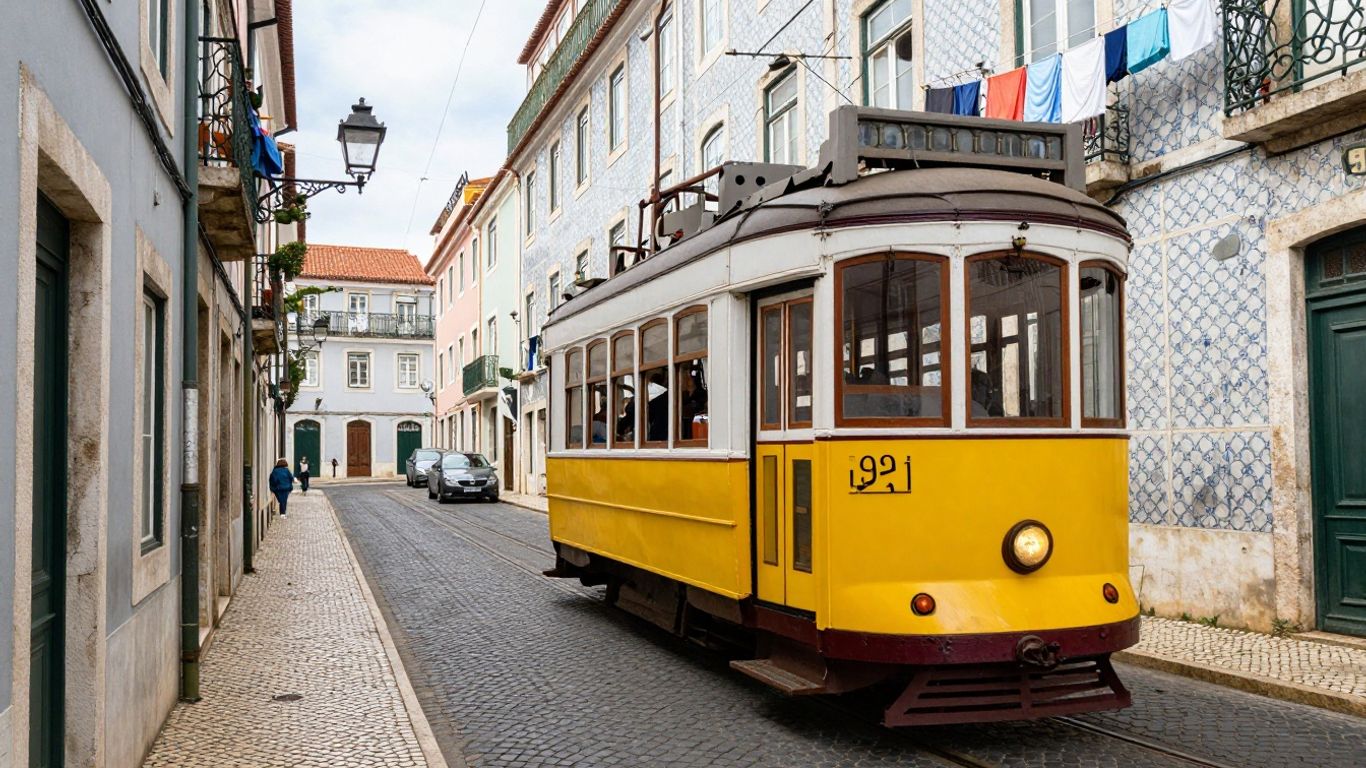
Lisbon is one of those cities that just feels good. It’s got that perfect mix of old-world charm and a lively, modern vibe, all bathed in this amazing golden light. Plus, it’s seriously easy on the wallet, which is a big win for any city break.
Getting around is part of the fun. You absolutely have to hop on the famous Tram 28E. It rattles and screeches its way through some of the most picturesque neighborhoods, like Alfama, with its narrow, winding streets and buildings covered in colorful tiles. You’ll see laundry hanging from balconies and hear Fado music spilling out of little taverns. Honestly, a lot of the best stuff in Lisbon – the viewpoints, the street art, just walking along the coast – costs absolutely nothing.
And the food! Oh, the food. You can’t leave without trying a warm pastel de nata (custard tart) from a local bakery. Or grab a bifana, a simple but tasty pork sandwich. Even a full seafood dinner with a glass of wine can be surprisingly cheap, often under €15. For a more bustling food scene, check out the Time Out Market, or do what the locals do and go on a ‘petisco’ crawl – it’s like Portuguese tapas.
If you have a bit more time, a day trip to Sintra is a must. It’s like stepping into a fairytale with its colorful palaces and lush forests. Back in Lisbon, just find a cozy hostel, maybe one with a rooftop for sunset views, and chat with other travelers. It really shows you that a cheap European city break can be totally magical.
Lisbon truly proves that budget travel doesn’t mean sacrificing charm or experience.
Here are a few things to keep in mind for your trip:
- Getting Around: Besides Tram 28E, Lisbon has a good metro system and buses. Walking is also a great way to explore, especially in the older districts, but be prepared for hills!
- Must-Try Foods: Pastel de nata, bifana sandwich, fresh seafood, and bacalhau (codfish) dishes are all local favorites.
- Day Trips: Sintra is the most popular, but Cascais, a charming seaside town, is also easily accessible by train.
Lisbon offers a vibrant atmosphere without the hefty price tag often associated with Western European capitals. Its hilly streets, historic trams, and delicious pastries make it a memorable destination for any traveler looking for value and beauty.
5. Porto, Portugal
Porto is a city that really grows on you. It’s got this vibe that’s both historic and really alive, especially down by the Douro River. You can spend hours just wandering, checking out the old port wine cellars – seriously, they’re everywhere – or just watching the boats go by. The buildings are all stacked up, with those classic terracotta roofs, and it’s just a pretty sight.
If you’re lucky enough to be there during a festival, like the Festa de São João do Porto, you’re in for a treat. The whole city seems to come alive with music, food, and people just having a good time. Think grilled sardines and roasted meats right on the street. It’s a proper local experience.
Here are a few things you shouldn’t miss:
- Wander through Ribeira: This is the old riverside district, a UNESCO World Heritage site. It’s packed with colorful buildings, cafes, and little shops. Just get lost in the narrow streets.
- Visit a Port Wine Cellar: You can’t go to Porto without trying the port wine. Take a tour and tasting at one of the many cellars in Vila Nova de Gaia, just across the river.
- Cross the Dom Luís I Bridge: Designed by a student of Gustave Eiffel, this bridge offers amazing views of the city and the river, especially at sunset.
- Climb the Clérigos Tower: For panoramic views, this is the spot. It’s a bit of a climb, but totally worth it.
Food-wise, Porto is great. You can find some really good, hearty Northern Portuguese dishes without spending a fortune. Look for places serving francesinha, a local sandwich specialty, or fresh seafood.
Porto offers a fantastic blend of old-world charm and vibrant street life, making it a surprisingly affordable gem for a European city break. It’s the kind of place where you can feel the history in the cobblestones while enjoying a glass of wine by the river.
6. Vilnius, Lithuania
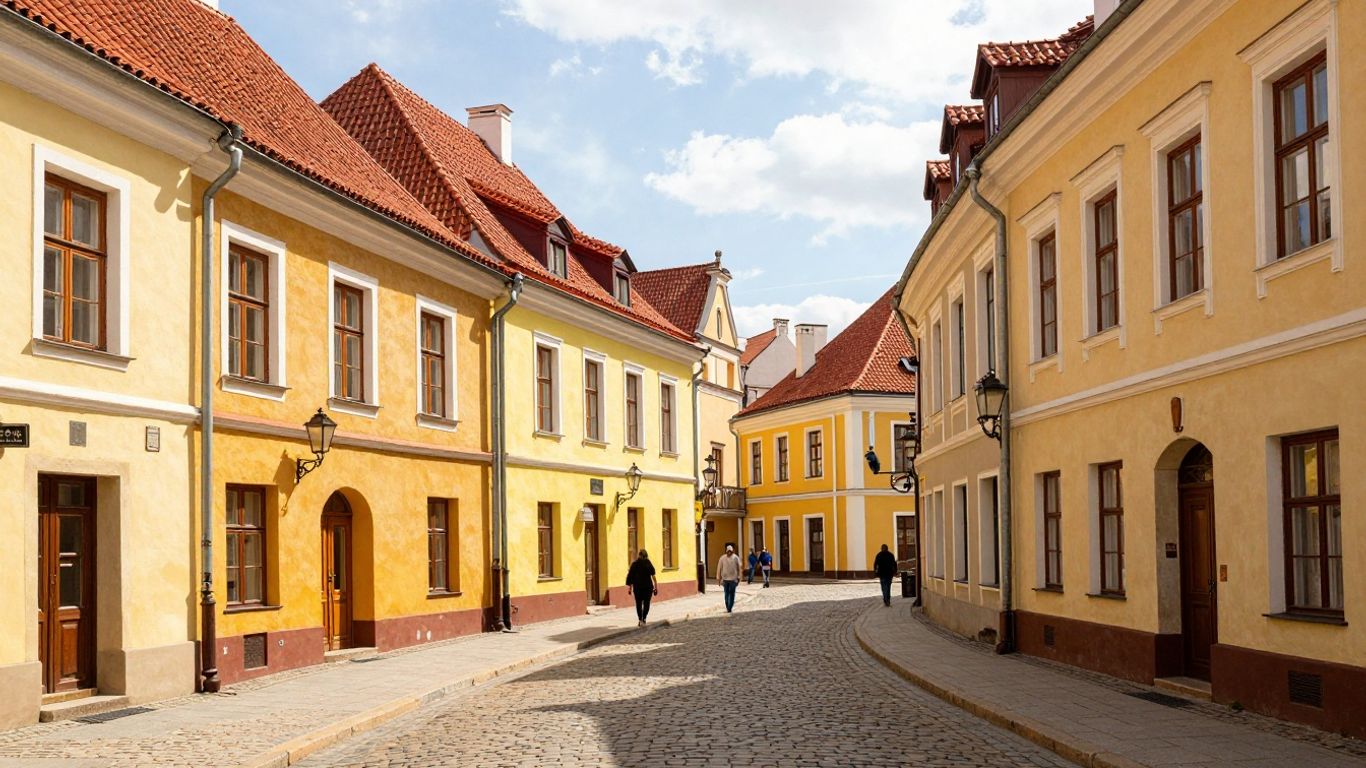
Vilnius, the capital of Lithuania, is a real gem that often flies under the radar for many travelers. It’s a city that genuinely surprised me with its beauty and affordability. The Old Town, a UNESCO World Heritage site, is just stunning and incredibly well-kept. You can spend hours just wandering through its cobblestone streets, admiring the Baroque architecture.
What’s great about Vilnius is that you don’t need a huge budget to enjoy it. You can find a decent one-bed Airbnb for around €70 a night, and a pint of local beer will only set you back about €2-€3.
Here are a few things you absolutely shouldn’t miss:
- Climb Gediminas’ Hill: The views from the top are fantastic, giving you a great perspective of the city.
- Explore the Republic of Užupis: This is a quirky, self-declared republic within Vilnius, known for its artistic vibe and unique constitution.
- Relax in Vingis Park: It’s the city’s largest park and a perfect spot for a leisurely stroll or a picnic.
Vilnius offers a fantastic blend of history, culture, and affordability, making it a top choice for a budget-friendly European city break in 2026. It’s a place where you can experience a rich past without breaking the bank, and it feels like you’ve discovered a well-kept secret before everyone else does.
7. Sofia, Bulgaria
Sofia, Bulgaria, is seriously one of Europe’s best-kept secrets when it comes to budget travel. It’s got this cool mix of old and new, all tucked away at the base of Mount Vitosha. You can spend your days exploring ancient Roman ruins and then, bam, you’re standing in front of the stunning, golden-domed Alexander Nevsky Cathedral. What’s even better is that a lot of the main attractions don’t cost a thing, and even the museums are super cheap, usually just a few euros to get in.
When it comes to food, your wallet will thank you. You absolutely have to try banitsa, which is this flaky pastry filled with cheese – it’s perfect for breakfast or a snack. Then there’s shopska salad, Bulgaria’s national dish, loaded with fresh veggies and white cheese. Grab a glass of local rakia, a strong brandy, and you’ve got a filling meal for less than ten euros. Seriously, the food is a highlight here.
Here are a few things you shouldn’t miss:
- Alexander Nevsky Cathedral: This iconic cathedral is a must-see, especially for its impressive architecture.
- Vitosha Mountain: Just a short bus ride away, it’s perfect for a hike with great city views.
- Roman Ruins: Wander through remnants of the ancient city scattered throughout Sofia.
- Balkan Bites Food Tour: A great way to sample local cuisine without breaking the bank.
Sofia’s hostels are known for being really friendly, often throwing in free breakfast or even communal dinners. It makes meeting people super easy. Plus, with the mountains so close, you can easily switch from city exploring to outdoor adventures. It’s a really diverse and affordable spot for a city break.
8. Riga, Latvia
Riga is a city that really surprised me. It’s got this amazing mix of old-world charm and a really cool, modern vibe. You can spend hours just wandering through the Old Town, which is a UNESCO World Heritage site, and it feels like you’ve stepped back in time with all the cobblestone streets and medieval buildings. But then, just a short walk away, you’ll find the Art Nouveau district, and wow, the architecture there is just stunning. Seriously, some of the best I’ve seen anywhere in Europe.
One of the best things about Riga is how affordable it is. You can grab a pint for around €3.50, and a one-bed Airbnb is usually about €65 a night. It makes exploring so much easier when you don’t have to constantly worry about your wallet.
Here are a few things you absolutely shouldn’t miss:
- Wander the Old Town: Get lost in the narrow streets, admire the colorful buildings, and soak in the history. It’s free and totally magical.
- Explore the Art Nouveau District: Look up! The details on these buildings are incredible. The Alberta Iela street is a good place to start.
- Visit Riga Central Market: This place is huge, set up in old Zeppelin hangars. You can find all sorts of local goodies here – smoked fish, fresh produce, baked treats – and it’s super cheap.
- Check out the creative scene: Riga has a really active arts and culture scene. Look for smaller galleries or pop-up events.
The food scene is pretty great too, and you can eat really well without spending a fortune. Think hearty stews and fresh market finds. It’s a city that offers a lot for a little, making it a top pick for a budget-friendly European getaway.
9. Valencia, Spain
If you’re looking for a European city break that offers sunshine, beaches, and a genuine Spanish vibe without breaking the bank, Valencia should be high on your list. This city on the coast has a great mix of old and new, plus plenty of sea air to enjoy.
Valencia is the birthplace of paella, and trying an authentic plate here is a must. You can explore the historic Old Town, with its Gothic buildings and lively plazas, or take a walk or bike ride through the Turia Gardens. This park is pretty unique because it’s built in the dry bed of a river that used to run through the city. Don’t miss the City of Arts and Sciences either; its modern architecture looks really striking.
Here are a few things you shouldn’t miss:
- Mercado Central: One of Europe’s oldest markets, it’s a fantastic place to grab fresh produce and affordable tapas.
- Turia Gardens: A huge green space perfect for walking, cycling, or just relaxing.
- City of Arts and Sciences: A stunning complex of futuristic buildings.
- The Old Town (Ciutat Vella): Wander through historic streets and discover charming squares.
The city has a relaxed feel, especially compared to bigger Spanish cities. It’s easy to spend your mornings exploring historical sites and your afternoons unwinding by the sea. Plus, the food scene is excellent, with fresh seafood and local produce readily available.
10. Sarajevo, Bosnia and Herzegovina
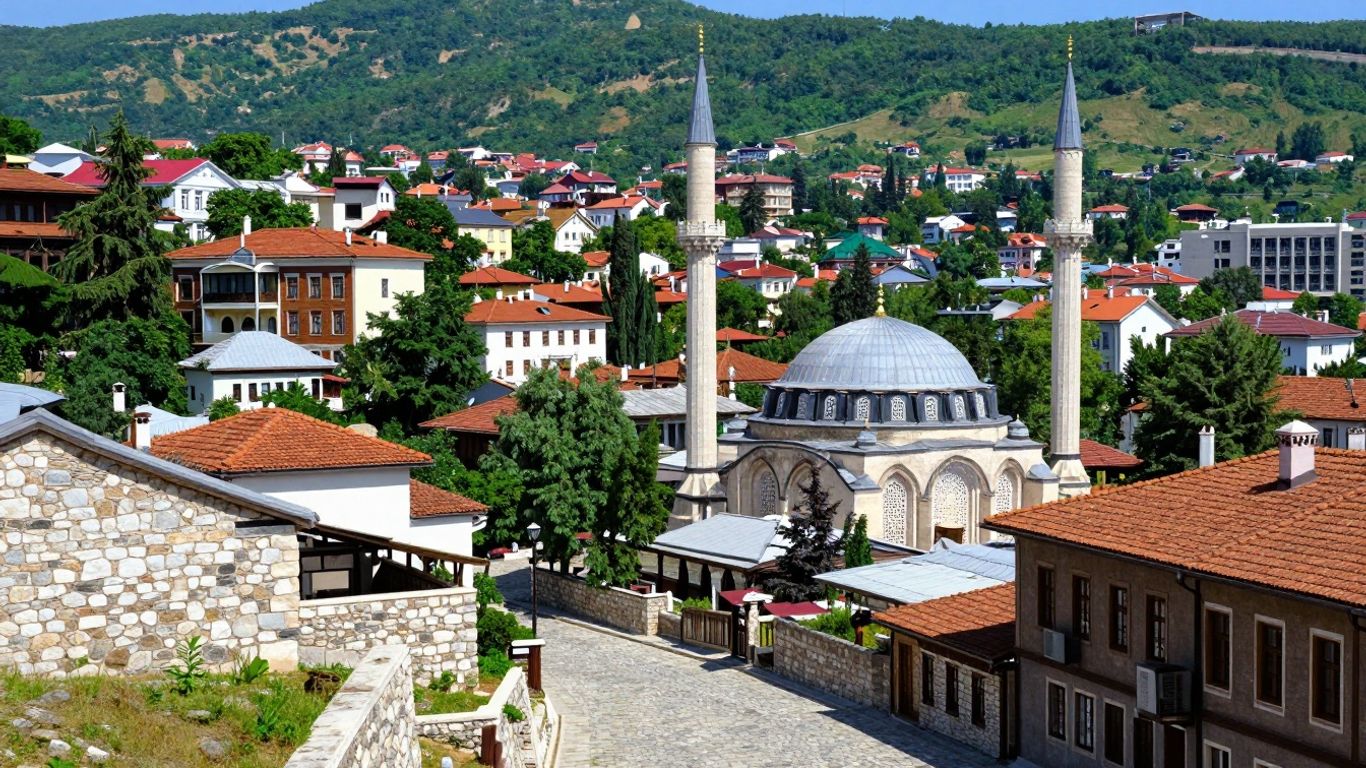
Sarajevo, the capital of Bosnia and Herzegovina, is a city that really surprised me with how much it offers without costing a fortune. It’s got this incredible mix of history, culture, and just a really vibrant feel to it. You can spend hours just wandering through the old town, Baščaršija, soaking it all in. It feels like stepping back in time with all the little shops and cafes.
One of the best ways to get acquainted with the city is to join a free walking tour. Seriously, they’re fantastic for getting your bearings and learning about Sarajevo’s complex past. Just remember to tip your guide – they do a great job! For lunch, you can grab some delicious and super cheap burek (a savory pastry) from a local bakery or check out the Gradska tržnica Markale, a covered market, for all sorts of local goodies. A pint of beer or a glass of wine is also really affordable here, making it easy to relax after a day of exploring.
Here are a few things you absolutely shouldn’t miss:
- War Childhood Museum: This place is incredibly moving and offers a powerful insight into the experiences of children during the Bosnian War. It’s a must-visit for understanding the city’s recent history.
- Baščaršija Bazaar: Get lost in the narrow streets, admire the Ottoman-era architecture, and maybe pick up a unique souvenir.
- Yellow Fortress (Žuta Tabija): Head up here, especially around sunset. The views over the city are just stunning, and it’s a really peaceful spot.
- Sarajevo Cable Car: For a small fee, you can take a ride up to the Trebević mountain for panoramic views and a bit of fresh air.
Flights can be quite cheap, especially if you book in advance or travel during the shoulder seasons. Accommodation is also very budget-friendly, with plenty of hostels and affordable apartments available. It’s a city that truly rewards those who venture off the beaten path.
Sarajevo has a unique charm that comes from its layered history and resilient spirit. It’s a place where East meets West, and you can feel that blend in the architecture, the food, and the general atmosphere. Don’t expect glitz and glamour; expect authenticity and a warm welcome.
Ready to Pack Your Bags?
So, there you have it. Europe is still totally doable on a budget in 2026, even with things getting a bit pricier. Forget those super famous spots that are always packed and costing a fortune. There are tons of amazing cities out there, full of cool stuff to see and do, that won’t empty your wallet. Whether you’re after history, good food, or just a change of scenery, you can totally find a cheap city break that fits the bill. It just takes a little looking around, maybe flying mid-week, and not being afraid to try something a little less obvious. Happy travels!
Frequently Asked Questions
What makes a European city a good budget destination?
Cities that are great for a cheap trip often have lower prices for things like food, drinks, and getting around. They also tend to have fewer tourists, which means less crowded attractions and often cheaper flights. Many of these places are rich in history and culture, offering amazing experiences without costing a lot.
When is the best time to find cheap European city breaks?
To get the best deals, try traveling during the ‘shoulder seasons,’ which are spring (from March to May) and fall (from September to November). Prices for flights and places to stay usually drop after the summer rush and before the winter holidays. Traveling mid-week instead of on weekends can also save you money.
How can I save money while exploring a European city?
You can save money by walking or using public transport instead of taxis, eating at local markets or trying out daily lunch specials, and staying in hostels which are often cheaper and a great way to meet other travelers. Booking flights and accommodation in advance can also help lock in lower prices.