

Thinking about moving to Europe in 2025 and wondering about the cost? It’s a big question, and the answer isn’t always straightforward. Many people are looking to make their money stretch further, especially with the rising cost of living. This article aims to help you figure out what is the most affordable country to live in Europe, looking at different factors that influence prices and what you can expect.
Key Takeaways
- When looking for the most affordable country to live in Europe, it’s not just about the sticker price. You need to consider things like rent, food, utilities, and even transportation. These costs can change a lot depending on where you are in a country, not just between countries.
- Some countries that often come up as budget-friendly include places like Portugal, Slovenia, and Bulgaria. They offer a good mix of lower living expenses and a decent quality of life, making them attractive for expats and retirees alike.
- Ultimately, the ‘cheapest’ country is a personal thing. What one person finds affordable, another might not. It’s important to balance the cost of living with other factors like safety, culture, and your own lifestyle preferences before making a big move.
Identifying Europe’s Most Budget-Friendly Nations
Key Factors in Determining Affordability
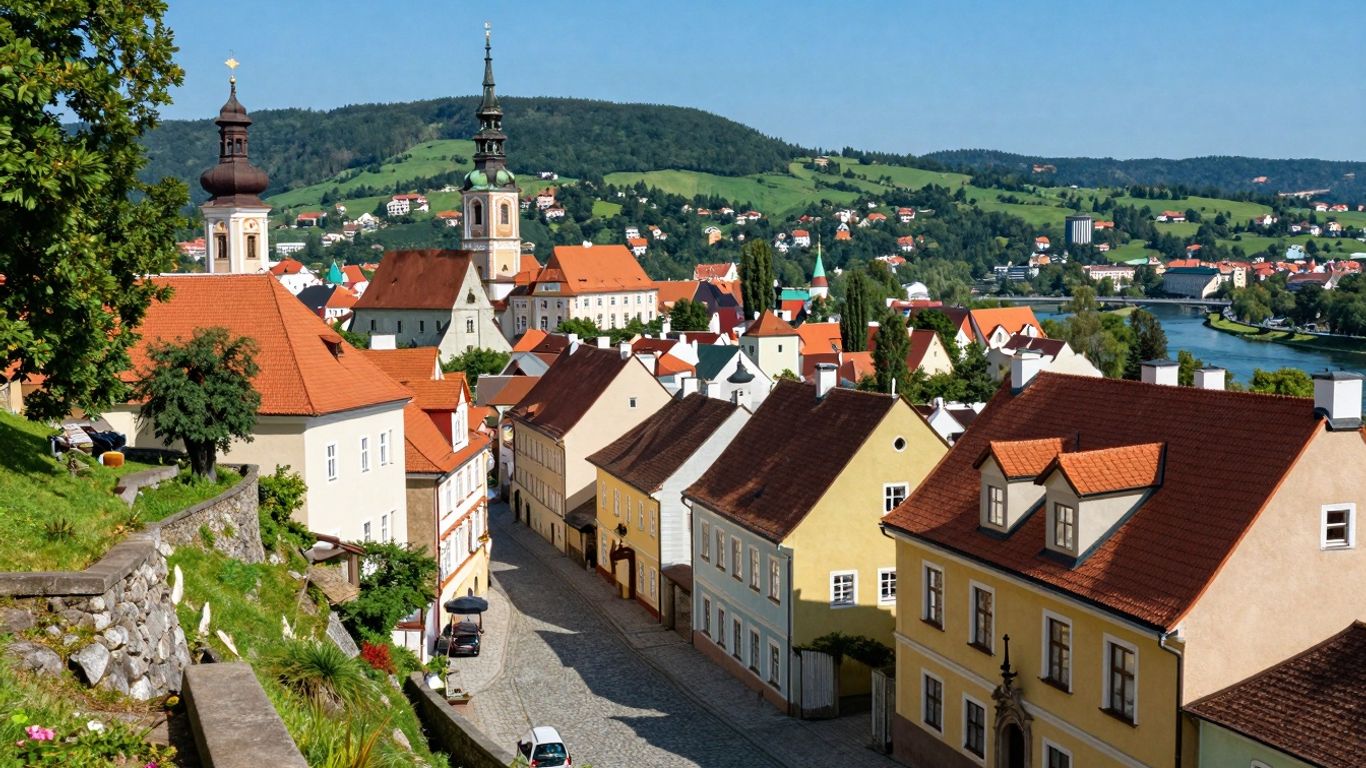
When we talk about the cheapest places to live in Europe for 2025, it’s not just about the sticker price of groceries. We need to look at a few things to get a real picture. Think about rent, of course, but also how much electricity costs, and even how much you’re likely to earn. It’s a mix of what you spend and what you bring in.
Here are some of the main things we considered:
- Cost of Housing: This is usually the biggest chunk of anyone’s budget. We looked at average rent for a one-bedroom place, both in city centers and a bit further out.
- Daily Expenses: Things like buying food at the supermarket, eating out occasionally, and paying for utilities (electricity, water, internet) add up.
- Transportation: How easy and affordable is it to get around, whether that’s public transport or owning a car?
- Salaries and Income: It’s one thing for things to be cheap, but another if people can’t afford them. We looked at average salaries to see if the cost of living is actually manageable for locals and newcomers.
- Safety and Stability: While not directly a monetary cost, feeling safe and living in a stable country definitely impacts your overall quality of life and can indirectly affect expenses.
It’s easy to get caught up in just the numbers, but remember that a country’s overall vibe and stability play a big role in how livable it is. Sometimes, a slightly higher cost might be worth it for peace of mind and a better daily experience.
Top Countries for Cost-Conscious Living
Based on our look at the numbers and what people are saying, a few countries really stand out for being kind to your wallet in 2025. These places offer a good balance, letting you live well without breaking the bank. They often have lower prices than Western Europe but still offer a good quality of life and a sense of security.
Here are some of the countries that consistently pop up:
- Estonia: Known for its digital society and surprisingly affordable living, especially outside the capital. You get a lot of bang for your buck here.
- Slovenia: This country offers beautiful nature and a relaxed pace of life at a price that’s much lower than many of its neighbors. It’s a gem for those seeking affordability and scenery.
- Croatia: While some coastal areas can be pricier, especially in tourist season, many parts of Croatia offer a very reasonable cost of living, combined with stunning coastlines and rich history.
- Czech Republic: Prague gets a lot of attention, but beyond the capital, you can find incredibly affordable towns and cities with beautiful architecture and a vibrant culture.
- Georgia: Often considered a bridge between Europe and Asia, Georgia is frequently cited for its extremely low cost of living, delicious food, and welcoming atmosphere.
These nations often score well not just on price but also on safety and general well-being, making them smart choices for anyone looking to stretch their budget further in Europe.
Navigating the Cost of Living Landscape
So, you’ve got a general idea of which European countries might be easier on your wallet. But hold on, it’s not quite as simple as picking a country off a list and expecting everything to be cheap. The cost of living can really swing depending on where you are, even within the same country.
Regional Variations in Expenses
Think about it: living in a major capital city like Paris or Berlin is going to cost a lot more than settling down in a small village in the countryside. Rent, groceries, even just grabbing a coffee – prices can be wildly different. Some countries have big differences between their bustling cities and their quieter towns.
Here’s a rough idea of how some costs might stack up, though remember these are just general estimates and can change:
| Expense Category | Major City (e.g., Capital) | Smaller Town/Rural Area |
|---|---|---|
| Rent (1-bedroom) | €800 – €1500+ | €400 – €700 |
| Groceries (monthly) | €250 – €400 | €180 – €300 |
| Utilities (monthly) | €150 – €250 | €100 – €180 |
| Transportation | €50 – €100 (public) | Varies (car often needed) |
It’s not just about the big cities, either. Even within a country, some regions are known for being more expensive due to tourism, higher wages, or just being more developed. You might find that while a country is generally affordable, a specific popular tourist spot or a tech hub within it can be surprisingly pricey.
When you’re looking at places to live, don’t just look at the country’s average cost. Dig a little deeper into specific cities or regions that catch your eye. What might be a bargain in one part of the country could be a stretch in another.
Balancing Cost with Quality of Life
Okay, so we want cheap, but we also want to, you know, live. It’s easy to get fixated on the lowest numbers, but that doesn’t always translate to a good life. You need to think about what makes you happy and what you need to feel comfortable.
Consider these points:
- Healthcare: Is the healthcare system good and affordable in the areas you’re looking at? Even if living costs are low, high medical bills can quickly wipe out savings.
- Safety: Feeling safe is huge. A country might be dirt cheap, but if you don’t feel secure walking around, especially at night, is it really worth it? Perception of safety matters a lot.
- Community and Culture: Do you want a place with a lively arts scene, good restaurants, or easy access to nature? Sometimes paying a bit more for a place that truly fits your lifestyle is a better deal in the long run.
- Infrastructure: How good are the roads, internet, and public transport? If you need to rely on these things, their quality can impact your daily life more than a few extra euros on rent.
Ultimately, the
So, Where Should You Pack Your Bags?
Alright, so we’ve looked at a bunch of places, and it’s clear there isn’t just one single ‘cheapest’ country in Europe for everyone. It really depends on what you’re looking for, you know? Some spots might be super cheap for rent but a bit pricier for groceries, or maybe safety is a bigger deal than saving a few extra euros on a night out. We saw countries like Estonia, Slovenia, and Croatia popping up as good all-rounders for affordability and feeling safe, especially if you’re thinking about retiring. Portugal and Bulgaria also seem like solid choices if you want that relaxed vibe without breaking the bank. The main takeaway here is to figure out your own priorities first. Do you need city life or quiet countryside? What’s your budget really like? Once you know that, you can start digging into the specifics of places like Braga in Portugal or maybe the Abruzzo region in Italy. It’s all about finding that sweet spot that works for you and your wallet.
Frequently Asked Questions
Which European countries are known for being both safe and cheap to live in?
Based on recent data, countries like Estonia, Slovenia, Croatia, Georgia, and the Czech Republic are often mentioned as great options. They offer a good level of safety, similar to some pricier Nordic countries, but with a much lower cost of living. This makes them attractive for people looking to live comfortably without spending a lot.
How does the cost of living vary across Europe?
The cost of living can change a lot depending on where you are in Europe. Big cities and popular tourist spots usually cost more for things like rent and food. However, smaller towns or countries in Eastern and Southern Europe tend to be more affordable. It’s smart to research specific regions within a country, as even countries known for being cheap can have more expensive areas.
What factors should I consider besides just price when choosing a country to live in?
While cost is important, it’s not the only thing to think about. You should also consider the quality of life, such as safety, healthcare, job opportunities, and the local culture. Finding a place that balances affordability with a lifestyle you enjoy is key. For example, Portugal offers beautiful beaches and a relaxed pace, while Bulgaria is known for a high standard of living for a low price.