Thinking about planning some amazing europe holidays for 2026? It’s a big continent with so much to see, it can feel a little overwhelming to figure out where to even start. But don’t worry, we’ve got some ideas to help you map out a trip that you won’t forget. Whether you’re dreaming of sunny coasts, mountain views, or historic city streets, there’s something for everyone. Let’s get you inspired for your next big adventure!
Key Takeaways
- Consider traveling during the ‘shoulder seasons’ – spring (April-June) and fall (September-October). You’ll often find better weather, fewer crowds, and lower prices, making your europe holidays more enjoyable and affordable.
- Trains are a fantastic way to see Europe. They can be more scenic and less stressful than flying, especially for journeys between cities or through stunning landscapes like the Alps.
- Pack layers! Europe has many different climates, even within the same country. Being able to add or remove clothing will help you stay comfortable whether you’re exploring a sunny coast or a cooler mountain town during your europe holidays.
Planning Your Unforgettable Europe Holidays
Planning a trip to Europe in 2026 can feel like staring at a giant, delicious buffet – so many amazing options, where do you even start? It’s totally normal to feel a bit overwhelmed, but that’s what we’re here for. We want to help you craft a holiday that’s not just a trip, but a collection of moments you’ll actually remember. Forget just ticking off sights; let’s focus on experiences that stick with you.
Embrace the Shoulder Seasons for Optimal Europe Holidays
Thinking about when to go is almost as important as where to go. While summer is popular, it often means battling crowds and higher prices. For a more relaxed and often more authentic experience, consider the shoulder seasons: April to June and September to October. The weather is usually pleasant, the tourist throngs are thinner, and you’ll likely find better deals on flights and accommodation. Plus, the landscapes are often at their most beautiful during these times – think spring blooms or autumn foliage.
Here’s a quick look at why shoulder seasons win:
- Weather: Generally mild and sunny, perfect for exploring without the intense heat of mid-summer.
- Crowds: Significantly fewer tourists compared to July and August, meaning shorter lines and a more laid-back vibe.
- Prices: Flights and hotels tend to be more affordable.
- Scenery: Nature is often at its peak, whether it’s blooming flowers or colorful autumn leaves.
Traveling during these times allows for a more genuine connection with the places you visit, letting you soak in the local atmosphere without feeling rushed or like you’re just another face in the crowd.
Consider Scenic Train Journeys for Your Europe Holidays
When you picture traveling through Europe, you might think of planes or cars. But honestly, have you considered the trains? They offer a totally different perspective. Instead of just getting from point A to point B, you get to watch the scenery unfold right outside your window. Imagine gliding past rolling hills, charming villages, and maybe even snow-capped mountains. It’s a slower pace, sure, but it’s also way less stressful than dealing with airports. Plus, many train routes are incredibly scenic, turning your travel time into part of the adventure itself. It’s a fantastic way to see more of the continent without the hassle.
Some popular train routes to consider:
- The Swiss Alps: Breathtaking mountain vistas are practically guaranteed.
- Venice to the Dolomites: A beautiful journey through northern Italy’s varied landscapes.
- Baltic Hops: Connecting cities like Tallinn, Riga, and Vilnius offers a unique cultural and scenic experience.
Booking train tickets in advance, especially for popular routes or specific times, is a good idea. Websites like Omio can help you compare options for buses, trains, and flights all in one place.
Iconic Destinations for Your 2026 Europe Holidays
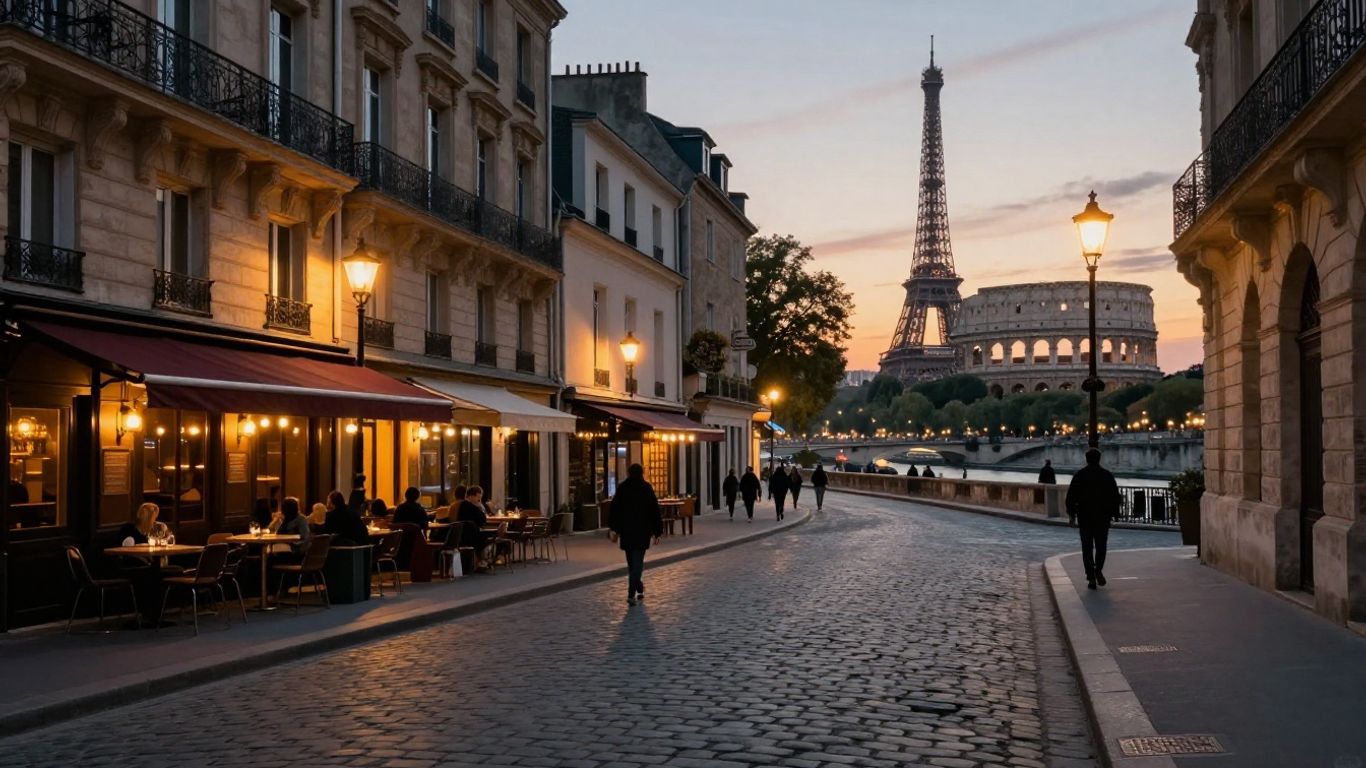
Europe in 2026 is shaping up to be an incredible year for travelers. With new cultural openings, improved transport links, and a general buzz for exploration, classic destinations are calling. But where to start? We’ve picked a few regions that offer a fantastic mix of experiences, from sun-drenched coasts to majestic mountains and vibrant city life.
Coastal Charms and City Escapes: Portugal and Spain
Portugal and Spain offer a delightful contrast, perfect for those seeking both relaxation and vibrant city energy. Imagine starting your trip in Lisbon, Portugal, exploring its historic neighborhoods like Alfama with its Fado music, and then heading south to the Algarve for stunning beaches and dramatic cliffs. Spain, with its rich history and diverse landscapes, is a must-visit. Consider a road trip through Andalusia, taking in the Moorish architecture of Granada’s Alhambra, the flamenco rhythms of Seville, and the Mezquita of Cordoba. Remember, the summer heat can be intense, so spring and autumn are generally the best times to visit for comfortable exploration.
- Lisbon, Portugal: Explore historic trams, enjoy Fado music, and savor delicious pastéis de nata.
- Algarve, Portugal: Relax on golden beaches, discover sea caves, and enjoy fresh seafood.
- Seville, Spain: Wander through the Alcázar, experience passionate flamenco, and enjoy tapas.
- Granada, Spain: Marvel at the Alhambra, especially at sunset, and explore the Albaicín quarter.
Planning a trip that mixes city buzz with coastal calm can really make your holiday memorable. Don’t try to see everything at once; pick a few key spots and really soak them in.
Alpine Adventures and Historic Cities: Italy and Slovenia
For a blend of breathtaking natural beauty and deep historical roots, Italy and Slovenia are fantastic choices. Start in Italy, perhaps with the romantic canals of Venice. While always popular, an early morning or late evening visit can offer a more peaceful experience. From Venice, you can easily travel north into the Dolomites for incredible hiking and alpine scenery, or explore the historic cities of Verona or Florence. Slovenia, a gem often overlooked, offers accessible outdoor adventures and a strong commitment to green tourism. Lake Bled, with its iconic island church, is a highlight, but don’t miss the charming capital, Ljubljana, or the dramatic Skocjan Caves. The compact nature of Slovenia makes it ideal for shorter trips or for those who prefer less travel time between destinations.
| Destination | Key Activities |
|---|---|
| Venice, Italy | Gondola rides, St. Mark’s Square, Doge’s Palace |
| Dolomites, Italy | Hiking, scenic drives, alpine village exploration |
| Lake Bled, Slovenia | Rowing to the island, castle visit, hiking |
| Ljubljana, Slovenia | Explore cafes, markets, Ljubljana Castle |
Festive Markets and Cultural Hubs: Central Europe
Central Europe truly shines in 2026, especially if you’re looking for a festive atmosphere and rich cultural experiences. Cities like Prague, Nuremberg, and Strasbourg are renowned for their Christmas markets, which are set to be bigger and better than ever. Imagine sipping mulled wine, browsing handcrafted gifts, and enjoying the twinkling lights along cobblestone streets. Market hopping between these cities is a popular way to experience the best of the season. Beyond the markets, these cities offer deep history, stunning architecture, and vibrant local life. Booking accommodations and popular market experiences early is highly recommended, as these destinations fill up quickly, especially in December.
- Prague, Czech Republic: Explore the Old Town Square, Charles Bridge, and enjoy the festive markets.
- Nuremberg, Germany: Famous for its Christkindlesmarkt and historic castle.
- Strasbourg, France: Known as the ‘Capital of Christmas’, with multiple market locations.
- Vienna, Austria: Experience imperial palaces and numerous charming Christmas markets.
When planning for Central Europe, especially around the holiday season, remember that popular spots and accommodations book up months in advance. Flexibility with your dates can sometimes open up better options.
Maximizing Your Europe Holidays Experience
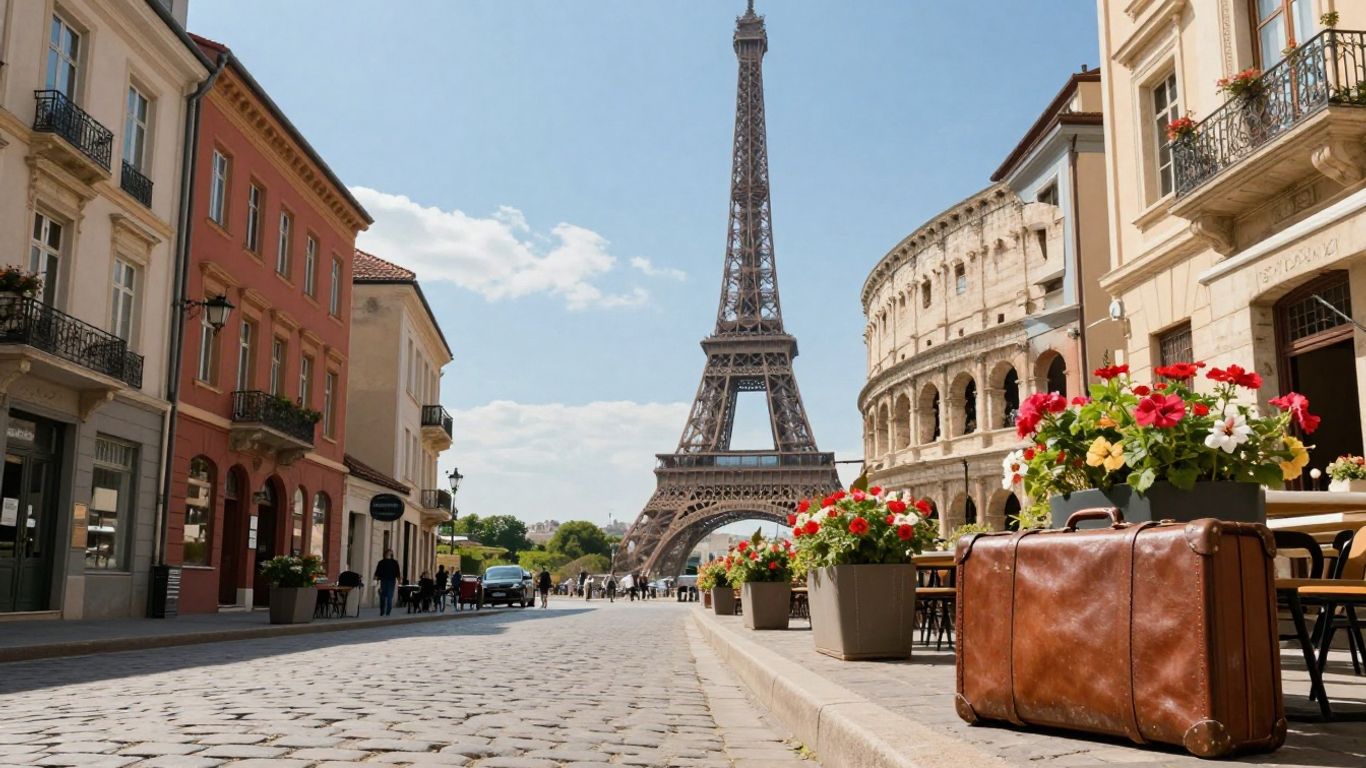
Alright, so you’ve got your destinations picked out and maybe even a rough idea of when you want to go. That’s awesome! But how do you actually make sure your trip feels less like a frantic checklist and more like a genuinely good time? It really comes down to a couple of things: how you move between places and what you decide to stuff into your suitcase.
Balancing Travel Pace for Memorable Europe Holidays
Look, I get it. There’s so much to see, and it’s tempting to cram in as many cities or countries as possible. But trust me, trying to see Rome, Paris, and Berlin all in a week is a recipe for burnout. You end up spending more time on trains or in airports than actually enjoying the places. A better approach? Mix it up. Spend a few days getting to know a city, then slow down. Maybe head to a smaller town, a national park, or a coastal village for a few days of relaxation. This contrast between busy exploration and chill time is what makes a trip stick with you. It gives you a chance to actually breathe and soak things in, rather than just rushing to the next photo op.
Here’s a simple way to think about it:
- Fast-Paced Exploration: Think city breaks, hitting major sights, trying lots of different restaurants. Great for getting a feel for a place quickly.
- Slow-Paced Relaxation: Consider countryside stays, beach towns, or visiting smaller, less-known villages. Perfect for unwinding and experiencing local life.
- The Blend: Aim for a trip that includes both. Maybe 3 days in a bustling capital followed by 4 days in a quiet mountain region. It’s all about finding that sweet spot that works for you.
The goal isn’t to see everything, but to experience something. Don’t let the pressure of a packed itinerary steal the joy from your holiday. Sometimes, the best memories come from unplanned moments, like stumbling upon a local festival or simply enjoying a coffee at a cafe and watching the world go by.
Packing Smart for Diverse European Climates
This is a big one, and honestly, it trips up a lot of people. Europe is not one giant, uniform climate zone. You can be enjoying sunshine and mild weather in Lisbon one week, and then find yourself needing a jacket and maybe even a scarf in the Swiss Alps the next. The key here is layers. Seriously, pack items you can easily add or remove. Think t-shirts, long-sleeved shirts, a sweater or fleece, and a waterproof outer layer. This way, you’re prepared for anything from a chilly morning to a surprisingly warm afternoon, or even a sudden rain shower. It also means you don’t have to lug around a massive suitcase filled with outfits for every single possible weather scenario. Smart packing means more freedom to move and less hassle.
Consider this basic packing list for versatility:
- Base Layers: Moisture-wicking t-shirts and long-sleeved tops.
- Mid Layers: A comfortable sweater, fleece jacket, or cardigan.
- Outer Layer: A packable, waterproof and windproof jacket. A scarf and a hat are also good additions.
- Bottoms: Comfortable trousers or jeans, and perhaps a pair of shorts or a skirt if the season allows.
- Footwear: Comfortable walking shoes are non-negotiable. Maybe a slightly dressier pair if you plan on nice dinners.
Remember, you can often buy forgotten items in Europe, but starting with a versatile wardrobe will save you time and money.
Ready for Your 2026 European Adventure?
So, there you have it. Europe in 2026 is shaping up to be an amazing place to visit, with tons of options whether you’re looking for bustling cities, quiet coastlines, or dramatic mountain views. Remember to book ahead, especially for those popular spots or special events, and don’t be afraid to mix up your travel style – maybe a quick city break followed by some chill time by the sea? Packing layers is always a good idea, and seriously, consider the trains; they can be a real treat. Whatever you choose, the most important thing is to find what makes you excited. Go make some memories, notice the little things, and bring back a souvenir that reminds you of your trip. Happy travels!
Frequently Asked Questions
When is the best time to visit Europe in 2026 to avoid big crowds and save money?
The sweet spots for visiting Europe are usually in the spring (April to June) and fall (September to October). During these times, the weather is often pleasant, there are fewer tourists, and prices for flights and hotels can be lower than during the busy summer months. It’s a great way to get more bang for your buck and enjoy a more relaxed trip.
What’s a good way to see different parts of Europe without flying all the time?
Taking trains through Europe is a fantastic option! It’s often more scenic than flying, and you can relax and enjoy the views as you travel between cities and countries. Think about scenic routes through the Swiss Alps or journeys connecting places like Venice and the Dolomites. It can also be less stressful than dealing with airports.
How should I pack for a trip to Europe in 2026, considering the weather can change a lot?
Packing smart is key because Europe has many different weather patterns, even in the same trip. The best approach is to pack layers. This means bringing items like t-shirts, long-sleeved shirts, sweaters, and a waterproof jacket. That way, you can easily add or remove clothing to stay comfortable whether it’s a warm day by the coast or a cooler evening in the mountains.