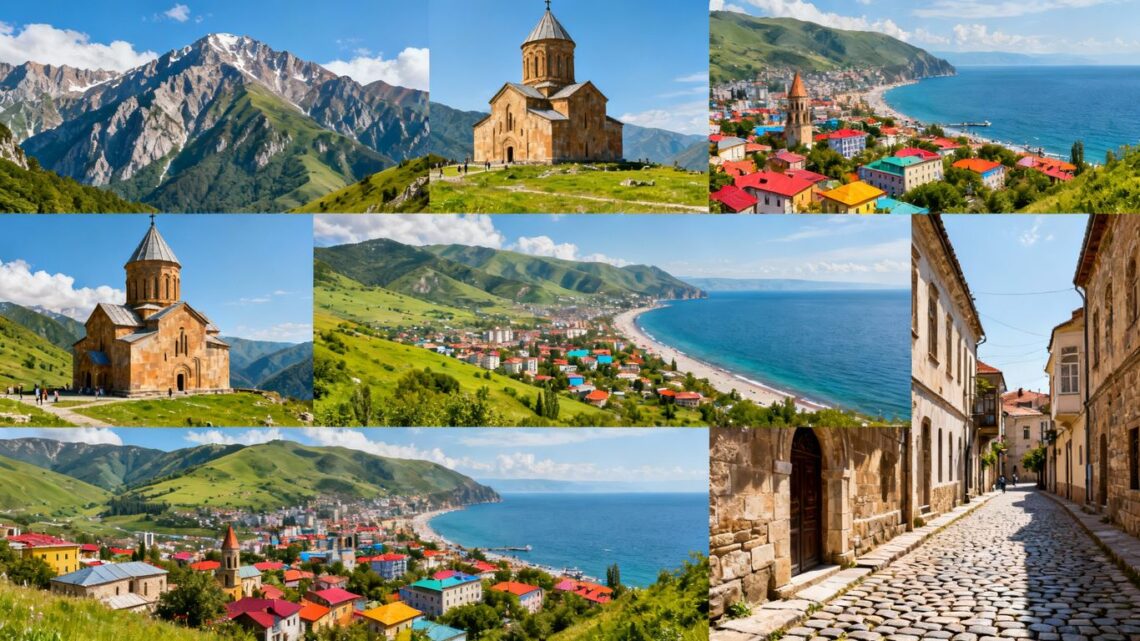
Thinking about where to go in 2026? Bulgaria might not be the first place that pops into your head, but honestly, it should be. This country has a bit of everything – think ancient history, cool mountains, and a coastline that’s pretty nice too. It’s not as crowded as some other European spots, which is a huge plus if you ask me. We’ve put together a list of the top places to visit in Bulgaria to help you plan your trip. Get ready to discover some truly awesome spots!
Key Takeaways
- Bulgaria offers a mix of history, nature, and culture, often overlooked by mainstream tourism.
- From the capital Sofia to the historic city of Plovdiv and the Black Sea coast, there are diverse places to explore.
- The country boasts stunning natural beauty, including the Rila and Pirin Mountains, making it ideal for outdoor activities.
1. Sofia
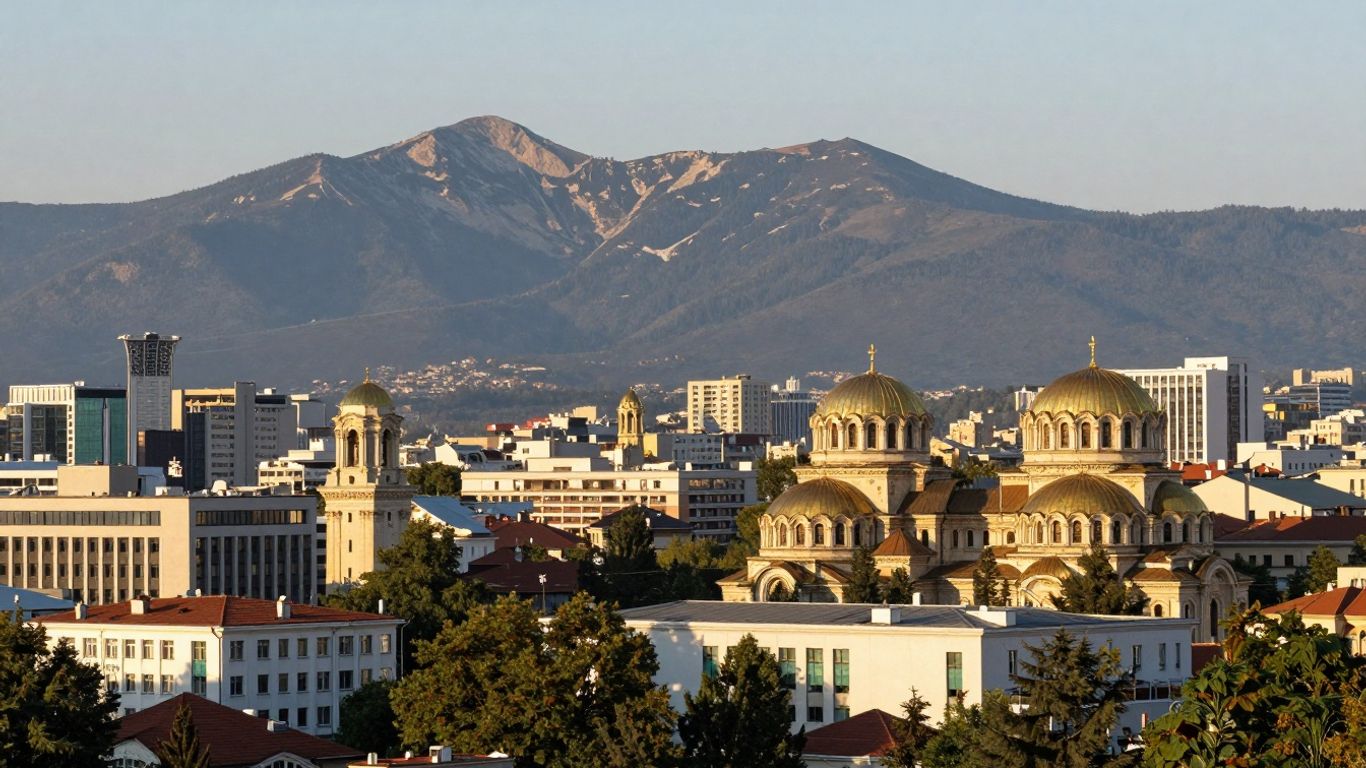
Sofia, Bulgaria’s capital, is a city where history meets modern life. It’s a great place to start your Bulgarian adventure, offering a mix of old and new that’s pretty interesting. You can wander through streets that have seen Roman ruins, Ottoman mosques, and grand socialist-era buildings, all within a short walk. The sheer variety of architecture tells a story of the many cultures that have influenced this place.
When you’re in Sofia, make sure to check out some of the key sights. The Alexander Nevski Cathedral is a must-see; it’s huge and really impressive, especially when the sun hits it. Then there’s the older Sveta Sofia Church, which gives the city its name, and the ancient Sveti Georgi Rotunda, tucked away in a courtyard. Don’t forget to grab some fresh mineral water from the fountains near the Central Mineral Baths – it’s a local thing!
Here are a few things you shouldn’t miss:
- Alexander Nevski Cathedral: An iconic symbol of Bulgaria.
- Vitosha Mountain: Offers great views and outdoor activities, easily accessible from the city.
- National Palace of Culture (NDK): A large complex with parks and event spaces.
- Vitosha Boulevard: The main pedestrian street, perfect for a stroll and people-watching.
Sofia also works well as a base camp for exploring other parts of Bulgaria. Many people take day trips from here to places like the Rila Monastery or the Seven Rila Lakes. It makes planning easier if you prefer to stay put in one spot.
The city has a relaxed vibe, especially in its many parks and outdoor cafes. It feels like a place where you can take your time and just soak it all in, without feeling too rushed.
2. Plovdiv
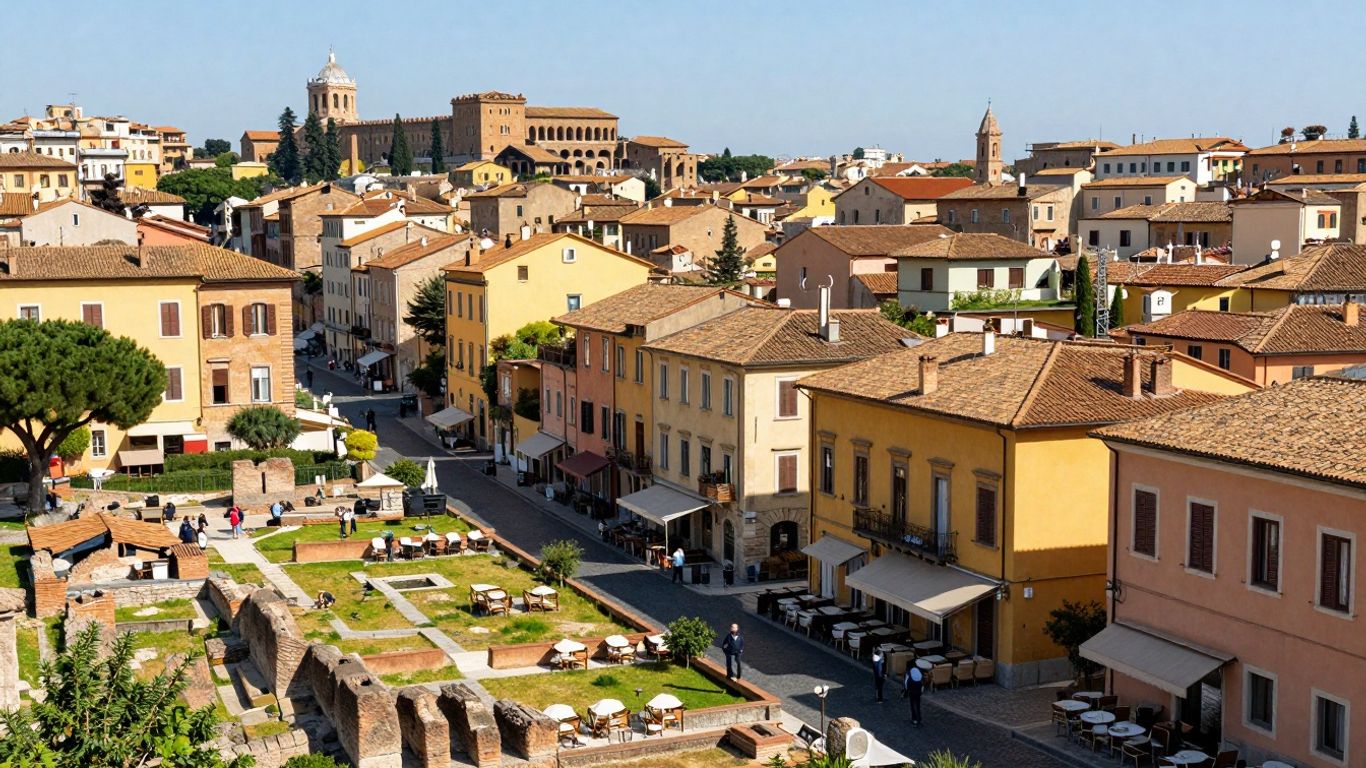
Alright, let’s talk about Plovdiv. This place is seriously old, like, the oldest continuously inhabited city in Europe old. We’re talking thousands of years of history just sitting there. It’s Bulgaria’s second-largest city, and honestly, it feels like stepping back in time, but in a really cool way.
Plovdiv was even a European Capital of Culture back in 2019, which tells you something about its vibe. The Old Town is where it’s at, with these charming cobblestone streets winding up hills, lined with colorful 19th-century houses. Many of these have been turned into museums, galleries, or cozy guesthouses. It’s the kind of place where you can just wander for hours and keep discovering little nooks and crannies.
Here are a few things you absolutely shouldn’t miss:
- The Ancient Roman Amphitheatre: This is a big one. It’s incredibly well-preserved and right there in the city. You can imagine gladiators or ancient plays happening there. It was actually found pretty recently, buried under the main street!
- Kapana District: This area used to be a craftsmans’ quarter, and now it’s buzzing with life. Think cool street art, independent shops, wine bars, and places serving up craft beer. It’s got a really vibrant, modern feel that contrasts nicely with the older parts of the city.
- Ethnographic Museum: If you want to get a feel for traditional Bulgarian life and culture, this is the spot. It’s housed in a beautiful old building and gives you a real glimpse into the past.
Plovdiv has seen empires rise and fall, occupations, and renaissances. All that history is layered right on top of each other, and you can feel it as you walk around. It’s not just in the museums; it’s in the streets, the buildings, and the general atmosphere of the place.
If you’re planning your visit, consider getting a combined ticket. It can give you access to several attractions for a better price, which is always a win. Plovdiv is a city that really rewards slow exploration, so give yourself enough time to just soak it all in.
3. Rila Monastery
Okay, so if you’re heading to Bulgaria, you absolutely have to make time for the Rila Monastery. Seriously, it’s a big deal. Tucked away in the Rila Mountains, this place has been a spiritual hub for Bulgarians for over a thousand years. It’s the largest monastery in the country, and when you see it, you’ll get why it’s so famous.
The whole complex is pretty massive, covering a huge area, and it’s surrounded by these thick stone walls. Inside, it’s like stepping into another world. The architecture is stunning, with these colorful buildings, elegant columns, and religious art everywhere you look. And the setting? It’s just breathtaking, with the mountains looming in the background, sometimes all misty and dramatic.
It’s actually not that far from Sofia, you can get there in under two hours, making it a super doable day trip. A lot of people combine it with a visit to the Seven Rila Lakes, which is another must-see.
Here’s a quick rundown of what makes it special:
- Historical Significance: It’s been a center of Bulgarian culture and spirituality for over 10 centuries.
- Architectural Marvel: The blend of medieval architecture, vibrant frescoes, and the iconic four-story residential buildings is unique.
- Mountain Setting: Its location deep within the Rila Mountains adds to its serene and majestic atmosphere.
The monastery’s design is a real mix of styles, reflecting different periods of its long history. You’ll see influences from Bulgarian Revival architecture, but also touches that speak to its Byzantine roots. It’s a place that feels both ancient and alive, a testament to the enduring faith and artistry of the people who built and maintained it over the centuries.
Getting there is pretty straightforward, and honestly, it’s one of those places that just sticks with you long after you’ve left. It’s a piece of Bulgarian history you can really feel.
4. The Seven Rila Lakes
If you’re looking for some truly breathtaking natural beauty in Bulgaria, the Seven Rila Lakes are a must-see. Tucked away in the Rila Mountains, these glacial lakes sit at a pretty high altitude, over 2,500 meters above sea level. Getting there involves a bit of a hike, but trust me, the views are totally worth the effort. Each lake has its own unique name based on what it looks like or its characteristics. For example, there’s one called ‘The Teardrop’ because its water is so clear. It’s a popular spot for hikers and nature lovers, and you can really feel a sense of peace up there.
Here’s a little breakdown of the lakes:
- The Tear (Сълзата – Salzata): Known for its crystal-clear water.
- The Eye (Окото – Okoto): The deepest of the lakes.
- The Kidney (Бъбрека – Bubreka): Shaped like a kidney, it’s quite symmetrical.
- The Twin (Близнака – Bliznaka): Appears as two connected parts.
- The Trefoil (Трилистника – Trilistnika): Has a clover-like shape.
- The Fish Lake (Рибното езеро – Ribnoto ezero): Once known for its fish population.
- The Lower Lake (Долното езеро – Dolnoto ezero): The lowest in the chain, feeding the river.
The best time to visit is usually during the summer months, from June to September, when the weather is more stable and the trails are clear of snow. It’s a fantastic place to spend a day, just soaking in the scenery and enjoying the fresh mountain air. You can often combine a trip here with a visit to the nearby Rila Monastery, making for a full day of exploring Bulgaria’s natural and spiritual wonders.
5. Varna & The Black Sea Coast
Bulgaria isn’t just about mountains and old towns; it’s also got a pretty sweet stretch of coastline along the Black Sea. Varna, often called the ‘maritime capital,’ is your main jumping-off point for exploring this area. It’s a lively city that’s been a summer favorite for ages, mixing port city vibes with history. You can check out old Roman baths or the archaeological museum, and the food scene is pretty good too.
But the real draw for many is the beaches. The coast stretches for about 250 miles, and a good chunk of that is nice, sandy beaches. Sunny Beach is super popular if you’re looking for that all-inclusive resort feel. If you prefer something a bit more chill, places like Pomorie or Sinemorets offer beautiful spots without the massive crowds.
Here’s a quick look at what you might find:
- Varna: Offers a mix of city life, history (Roman ruins, museums), and a gateway to the coast.
- Golden Sands: A big resort area north of Varna, known for its long beach and typical resort amenities.
- Sunny Beach: The most famous resort, packed with hotels, restaurants, and nightlife.
- Quieter Towns: Places like Pomorie, Sozopol, or Sinemorets provide a more relaxed beach experience.
Don’t miss a stroll through Primorski Park in Varna. It’s a long, green strip right along the sea with attractions like the aquarium and naval museum. It’s a great place to just wander and soak in the coastal atmosphere.
While Varna itself has its charms, many visitors find the best beach experiences are found a bit further up or down the coast, where resorts and smaller towns offer direct access to the sea and a more laid-back holiday feel.
6. Nessebar
Nessebar is a real gem, sitting pretty on a tiny peninsula that sticks out into the Black Sea. It’s one of those places that feels like it’s been plucked straight out of a history book. Seriously, this town is over 3,000 years old, and you can totally feel it when you wander around. It used to be a big deal for trade back in the day, with Greeks, Romans, and Thracians all stopping by.
Today, it’s more of a resort town, but don’t let that fool you. The old part of Nessebar is something special. The narrow, cobblestone streets are lined with old houses, little shops, and cozy restaurants, making it feel like a charming village. It’s a UNESCO World Heritage site, and you can see why. You’ll find tons of old churches here – over 15 are still standing, though people think there were once as many as 40! It’s a great spot to just get lost and soak in the atmosphere.
Here are a few things you shouldn’t miss:
- Archaeological Museum: A good starting point to get a feel for the town’s long history.
- Byzantine Baths Complex: Check out the remains of these ancient baths from the 6th century.
- Wander the Old Town: Just explore the streets, peek into shops, and enjoy the sea views.
If you’re planning a visit, try to go outside of July and August. It gets pretty crowded then, and you’ll have a much more relaxed time if you go a bit earlier or later in the summer.
The views from Nessebar are pretty amazing, with the sea stretching out in almost every direction. It’s a unique place where history meets the coast, and it’s definitely worth taking the time to explore.
7. Veliko Tarnovo
Veliko Tarnovo is a city that really takes you back in time. It was the capital of Bulgaria back in the 13th and 14th centuries, and you can totally feel that history when you’re there. The whole place is built on a ridge overlooking the Yantra River, with colorful houses practically tumbling down the hillsides. It’s quite a sight!
The main attraction has to be Tsarevets Fortress. This place was the royal palace and main stronghold during the Second Bulgarian Empire. Walking around the ruins, you can imagine what life was like for the tsars and their courts centuries ago. It’s pretty massive and offers some great views of the surrounding area.
Here are a few things you shouldn’t miss:
- Tsaravets Fortress: Explore the ancient citadel and its royal palace.
- Asenova Quarter: Wander through the old streets and visit the Forty Martyrs Church and the Church of Sts Peter and Paul.
- Varosha Quarter: This is the arts and crafts hub, perfect for finding unique souvenirs and soaking up the local atmosphere.
- Samovodska Charshiya: A historic street that feels like a living museum, with traditional craft workshops.
The city’s layout, clinging to the steep hillsides along the river, is unique. It makes for some interesting walks, though be prepared for some uphill climbs. The views from the top are definitely worth the effort.
Getting lost in the narrow, cobbled streets is part of the charm. You’ll stumble upon little shops, cafes, and hidden courtyards. It’s a place where you can really slow down and appreciate the history and architecture. It’s a favorite for a reason, and it’s easy to see why the old rulers picked this spot.
8. Etara Ethnographic Open-Air Museum
Just a little ways from Veliko Tarnovo, you’ll find the town of Gabrovo, and tucked inside it is the Etara Ethnographic Museum. This place is all about taking you back to what life was like during the Bulgarian National Revival period. It’s not just a museum; it’s like a whole village brought back to life.
Spread out over about 17 acres, Etara recreates 19th-century Bulgarian life. You’ll walk on cobblestone streets, see over 50 shops and workshops where artisans practice old crafts, and you might even see performers in traditional dress. It really feels like you’ve stepped through a time portal.
The museum is a living showcase of traditional Bulgarian crafts and architecture.
Here’s what you can expect to see:
- Craftsmanship demonstrations: Watch woodcarvers, potters, weavers, and other artisans at work, using techniques passed down through generations.
- Authentic architecture: Explore traditional houses, workshops, and public buildings from the 19th century, each with its own story.
- Local flavors: Sample traditional Bulgarian foods and drinks at the small eateries within the museum grounds.
Visiting Etara is a fantastic way to get a feel for Bulgaria’s past. It’s more than just looking at old things; it’s about experiencing the culture and the way people lived. It’s a hands-on history lesson, really.
It’s a great spot to spend a few hours, especially if you’re interested in Bulgarian culture and history. You can pick up unique souvenirs made by the craftspeople, too.
9. Stara Zagora
Stara Zagora is one of those places that really makes you feel the weight of history. We’re talking about a city that’s been around for about 8,000 years, making it one of the oldest continuously inhabited spots in Europe. It was a big deal for ancient groups like the Thracians, Romans, and later the Ottomans, serving as a key crossroads.
What’s cool is that you can still see evidence of this long past. The area was settled way back in Neolithic times, probably because the land is so fertile and the weather is pretty mild. Today, Stara Zagora doesn’t shy away from its heritage; it’s actually quite proud of it.
Beyond the history, the city has a pretty lively vibe. You’ll find good places to eat and a decent nightlife scene, making it a solid stop on any Bulgarian adventure. It’s a place where ancient roots meet a more modern pulse.
What to See and Do:
- Explore the Augusta Traiana Ruins: Get a glimpse of the Roman past right in the city center.
- Visit the Neolithic Dwellings Museum: See how people lived thousands of years ago.
- Walk through the Ayazmoto Park: A large, green space perfect for a relaxing stroll.
Stara Zagora offers a unique blend of ancient history and contemporary life, providing a more grounded experience compared to some of the more tourist-heavy destinations. It’s a city that rewards those who take the time to look beyond the surface.
10. Pirin Mountains
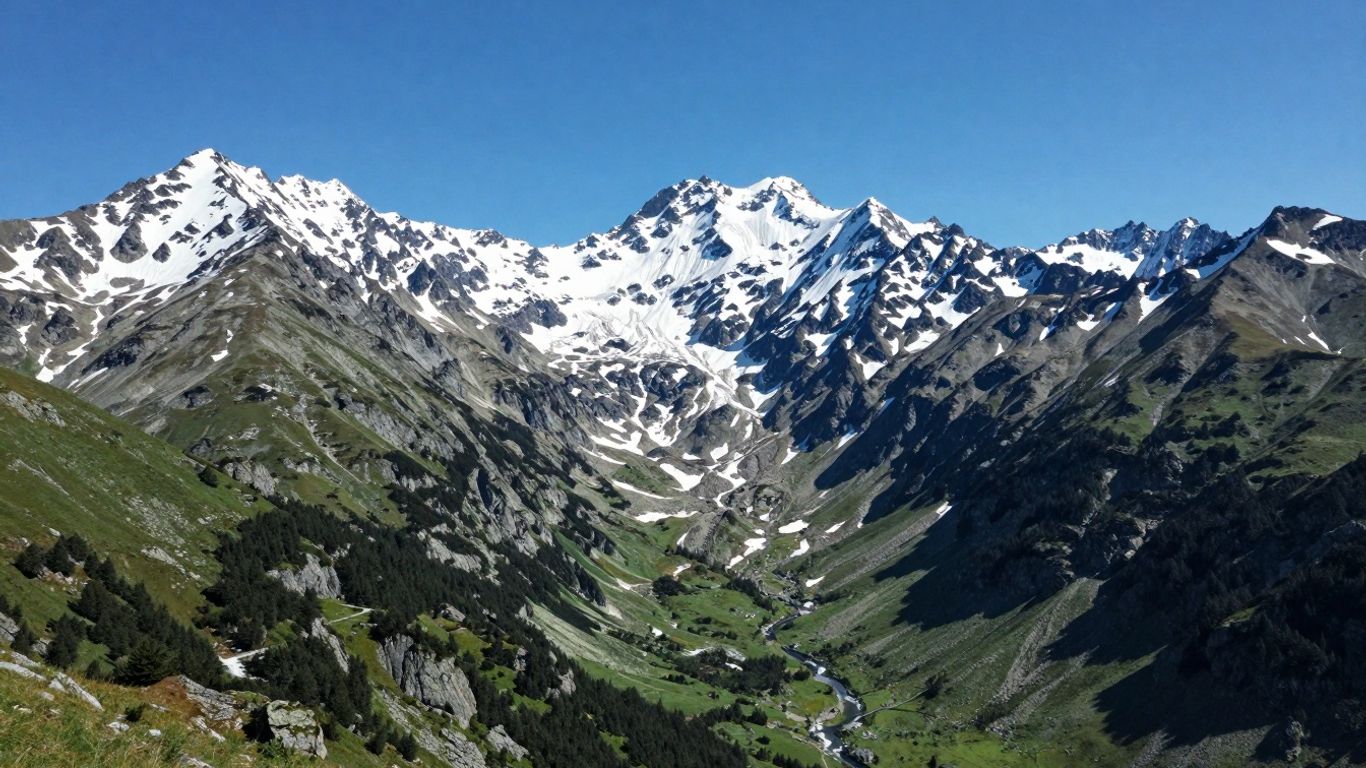
The Pirin Mountains are a real gem for anyone who loves the outdoors. Seriously, this place is massive, with over 100 peaks that shoot up more than 2,000 meters. It’s like nature’s playground.
In the summer, it’s a hiker’s paradise. Trails wind through stunning landscapes, leading to some pretty incredible views. And if you’re into water, keep an eye out for the glacial lakes – there are over 100 of them scattered around. It’s a bit of a trek to get to some, but totally worth it.
But it’s not just about hiking. The Pirin Mountains are also home to Bansko, which is widely considered the best ski resort in Bulgaria. When winter rolls around, this place is buzzing with skiers and snowboarders hitting the slopes. The resort itself is pretty well-equipped, offering a good amount of ski runs for all levels.
Here’s a quick rundown of what makes the Pirin Mountains special:
- Hiking: Explore trails leading to glacial lakes and panoramic viewpoints.
- Skiing & Snowboarding: Bansko offers extensive slopes for winter sports enthusiasts.
- Nature: Experience diverse alpine scenery, from forests to rugged peaks.
- Festivals: Summer brings events like the Bansko Nomad Fest and the Pirin Ultra Marathon.
You can easily access parts of the Pirin Mountains from Sofia, making it a great option for a day trip or a longer stay. Whether you’re looking for an adrenaline rush on the slopes or a peaceful hike through nature, the Pirin Mountains have something to offer.
Ready for Your Bulgarian Adventure?
So, there you have it. Bulgaria is a place that really has something for everyone, whether you’re into old buildings, pretty nature, or just want to try some new food. It’s not as crowded as some other European spots, which is kind of nice, right? You get to see the real deal, meet friendly people, and maybe even discover a new favorite place. We hope this guide helps you plan an awesome trip for 2026. Go explore, have fun, and enjoy all the cool things Bulgaria has to offer!
Frequently Asked Questions
When is the best time to visit Bulgaria?
The best time to visit Bulgaria really depends on what you want to do. Summers (July and August) can be very hot, especially in the cities, and the beaches get crowded. Spring and fall often offer milder weather, perfect for exploring cities and historical sites without the intense heat. If you love winter sports, the ski season in the mountains usually runs from December to March.
Is Bulgaria safe for tourists?
Generally, Bulgaria is a safe country for travelers. Like many places, it’s wise to be aware of your surroundings, especially in busy areas, to avoid petty theft. Taxi scams can happen, so always make sure the meter is used. Overall, Bulgarians are known for their hospitality and welcoming nature.
Do I need a visa to visit Bulgaria?
If you’re from the UK or Schengen Area countries, you can usually visit Bulgaria for up to 90 days without a visa. However, if you’re from another country, it’s best to check the latest visa requirements with the Bulgarian immigration authorities before you plan your trip.