Planning a trip to Bulgaria in 2026? This country has so much to offer, from ancient cities to stunning mountain views. It’s a place that often flies under the radar, but trust me, it’s packed with history, culture, and natural beauty that’s just waiting to be explored. If you’re wondering about the best places to visit in Bulgaria, you’ve come to the right spot. We’ve put together a guide to help you make the most of your Bulgarian adventure.
Key Takeaways
- Bulgaria offers a diverse range of attractions, from historic cities like Plovdiv and Sofia to natural wonders such as the Rila Monastery and Belogradchik Rocks.
- The country is known for its affordability, making it an attractive destination for travelers looking for value without compromising on experience.
- Bulgaria is a year-round destination, with different seasons offering unique activities like skiing in Bansko during winter or enjoying the Black Sea coast in summer.
1. Plovdiv
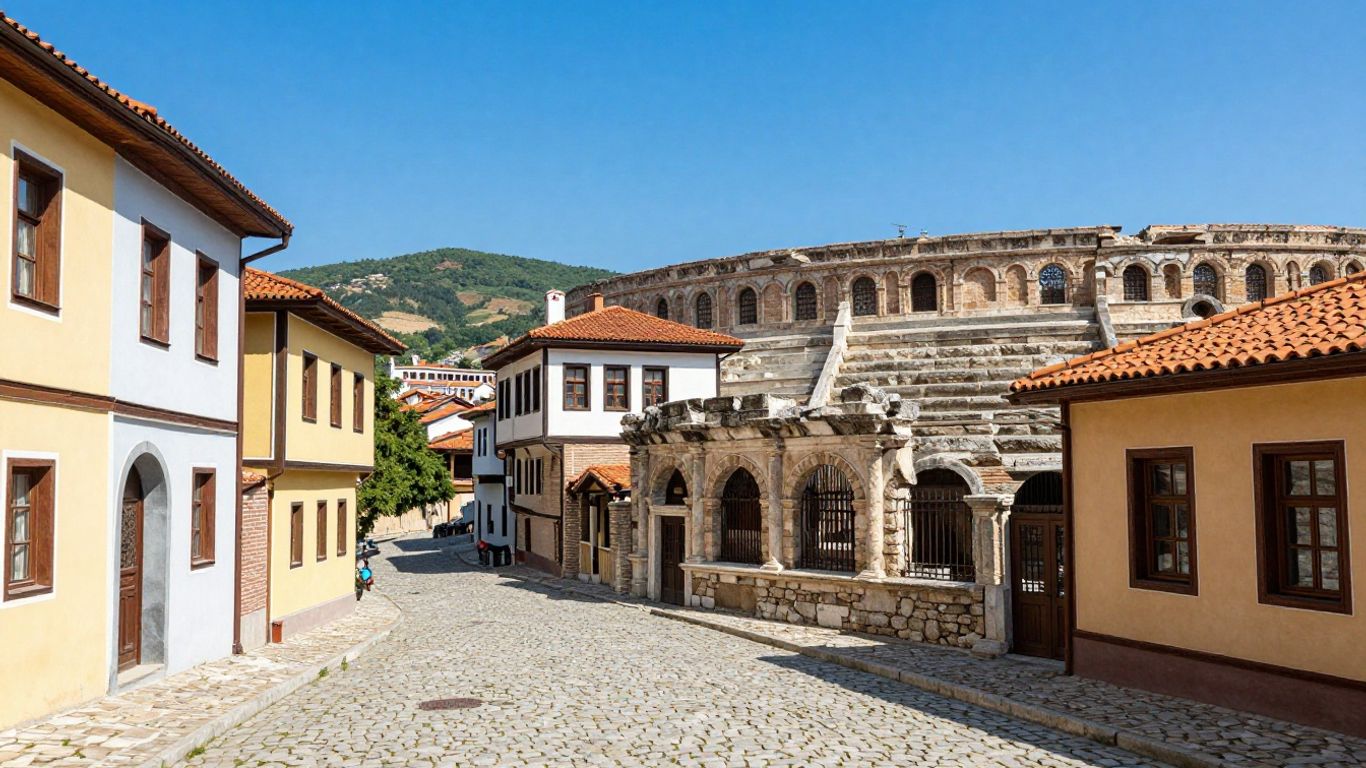
Plovdiv is a city that really makes you feel like you’ve stepped back in time, but in a good way. It’s often called one of the oldest continuously inhabited places in Europe, and honestly, you can feel that history everywhere you go. It’s not as big as Sofia, but it’s got this incredible charm, especially in the Old Town with its cobblestone streets and colorful Revival-era houses.
The Roman Theatre of Philippopolis is a must-see; it’s ancient, still used for performances, and just awe-inspiring. You can also wander through Kapana, the creative district, which is full of little artisan shops, cafes, and street art. It’s a great spot to just get lost for a few hours.
Here are a few things you shouldn’t miss:
- Explore the Old Town: Just wander around, soak in the architecture, and imagine life centuries ago.
- Visit the Roman Theatre: Catch a show if you can, or just admire the scale of it.
- Climb one of the hills: Nebet Tepe offers fantastic views over the city, especially at sunset.
- Discover Kapana: Browse the unique shops and enjoy a coffee in this vibrant area.
Getting to Plovdiv is pretty straightforward. It’s about a two-hour train or bus ride from Sofia, and the journey itself is quite pleasant. You can also drive, which gives you more flexibility if you plan on exploring the surrounding areas.
Plovdiv was even the European Capital of Culture in 2019, and it really shows. The city has a lively arts scene and a great atmosphere that blends its ancient past with a modern, creative spirit. It’s a place that stays with you long after you leave.
2. Sofia
Sofia, Bulgaria’s capital, is a city where history really shows itself. You can see bits and pieces from Roman times, the Ottoman era, and even the Soviet period, all mixed together. It’s got this cool vibe where East meets West, with old churches standing next to mosques and grand cathedrals.
The Alexander Nevsky Cathedral is a must-see, with its shiny blue and gold domes. It’s one of the most recognizable buildings in the country. If you’re up for a bit of nature, Mount Vitosha is right there, offering great views over the city and some nice hiking trails. It’s a pretty easy day trip.
Sofia also has a lively food scene. You’ll find plenty of places serving up traditional Bulgarian dishes, which are usually hearty and tasty. And don’t forget the wine – Bulgaria makes some good stuff. The city has a mix of bars, from cozy local spots to more modern places.
Here are a few things you might want to check out:
- Visit the impressive Alexander Nevsky Cathedral.
- Take a trip up Mount Vitosha for amazing city views.
- Explore the Boyana Church, a UNESCO site with old frescoes.
- Wander through the city center and discover its street art.
Getting around Sofia is pretty easy. The metro is convenient, and you can even use your bank card for tickets, which often include transfers to buses and trams. Google Maps usually does a good job of helping you figure out public transport.
Sofia offers a lot for visitors, from historical sites to natural beauty and good food. It’s a great starting point for exploring Bulgaria, giving you a feel for the country’s past and present.
3. Varna
Varna, often called the ‘Sea Capital’ of Bulgaria, is a vibrant city right on the Black Sea coast. It’s a fantastic spot if you’re looking for a mix of beach life, history, and good food. The city itself has several nice sandy beaches, perfect for a lazy afternoon or some fun water sports.
The ‘Gold of Varna’ treasure is a must-see, showcasing some of the oldest gold artifacts ever discovered. It’s housed in the Archaeological Museum and really gives you a sense of the region’s deep past.
Here are a few things you shouldn’t miss:
- Explore the Sea Garden: This huge, green park stretches along the coast and is ideal for a stroll, with fountains, sculptures, and even the Varna Zoo.
- Visit the Cathedral of the Assumption of the Virgin: This impressive Orthodox cathedral is a landmark in the city center, known for its beautiful architecture and interior.
- Discover the Roman Thermae: Wander through the ruins of these ancient Roman baths, which give you a glimpse into daily life centuries ago.
Beyond the city center, Asparuhovo Beach is a bit more local and less crowded, a short bus ride away. And if you’re interested in history, the ancient necropolis near the city is quite something.
Varna offers a relaxed vibe compared to some of the bigger cities, but still packs a punch with its historical sites and coastal charm. It’s a place where you can easily spend a few days just enjoying the seaside atmosphere and soaking up the local culture.
4. Rila Monastery
Tucked away in the Rila Mountains, about 117 km south of Sofia, you’ll find the Rila Monastery. It’s a UNESCO World Heritage site and honestly, it’s one of Bulgaria’s most stunning places. Founded way back in the 10th century by a hermit named Ivan of Rila, this place has a really peaceful vibe.
The monastery complex itself is pretty impressive. You’ve got the main church, which is super colorful with its frescoes and architecture, plus living quarters for the monks who still reside here. There’s also a museum that gives you a peek into its long history.
Getting there is part of the adventure. You can drive most of the way, and there are even day tours from Sofia that combine a visit here with other sights. It’s a place that really makes you stop and think.
This monastery isn’t just a historical building; it’s a symbol of Bulgarian culture and spirituality, nestled in a breathtaking natural setting. It’s a must-see for anyone wanting to connect with the country’s heritage.
5. Bansko
Nestled at the foot of the stunning Pirin Mountains, Bansko is way more than just a winter wonderland. Sure, it’s famous for its ski slopes, especially on Todorka Peak, drawing crowds for snowboarding and skiing from December through April. But honestly, Bansko has a charm that lasts all year round.
If you’re visiting outside of ski season, don’t miss out on exploring the Pirin National Park. It’s a wilder side of Europe, with dramatic peaks, clear glacial lakes like Muratovo Lake, and plenty of hiking trails. You might even spot some local wildlife – think wolves and bears, though don’t worry, they tend to keep to themselves.
The town itself offers a glimpse into traditional Bulgarian life with its old houses and delicious local food. It’s a great place to just wander around and soak in the atmosphere. For the more adventurous, hiking Vihren Peak is a must-do, especially if you’re there for the July Morning tradition – watching the sunrise from the summit is something else.
Getting there is pretty straightforward, with buses running regularly from Sofia and Plovdiv, usually taking around three hours.
Here are a few ideas for your Bansko trip:
- Hit the slopes (winter)
- Hike to Vihren Peak or explore Pirin National Park (spring, summer, autumn)
- Visit Muratovo Lake
- Wander through the old town and try local dishes
Bansko is a place that really shows you Bulgaria’s natural beauty. Whether you’re there to ski down a mountain or hike up one, the scenery is always impressive. It’s a good spot to experience both adventure and a bit of local culture.
6. Veliko Tarnovo
Veliko Tarnovo is a place that really takes you back in time. It used to be the capital of the Second Bulgarian Empire, and you can feel that history everywhere you go. The city is built on hills overlooking the Yantra River, which makes for some pretty dramatic views, especially from the Tsarevets Fortress.
Tsarevets Fortress is the main draw here, and for good reason. It’s a massive medieval complex that’s been restored, and walking around it feels like stepping onto a movie set. You can explore the royal palace, churches, and defensive walls, all while taking in the panoramic scenery. It’s a big place, so give yourself a good chunk of time to wander.
Beyond the fortress, the old town itself is a delight. Think winding cobblestone streets, traditional houses with overhanging balconies, and little artisan shops. It’s the kind of place where you can just get lost for hours.
Here are a few things you shouldn’t miss:
- Tsarevets Fortress: As mentioned, this is the big one. Don’t miss the sound and light show if you can catch it – it’s quite something.
- Samovodska Charshia: This is the old market street, perfect for picking up souvenirs or just soaking in the atmosphere.
- Monastery of the Holy Transfiguration of God: A bit outside the city, but worth the trip for its peaceful setting and beautiful frescoes.
The architecture in Veliko Tarnovo is really unique, with many houses built right into the steep hillsides. It gives the city a distinctive look that you won’t find just anywhere. It’s a photographer’s dream, honestly.
There are also some interesting museums, like the Archaeological Museum, which gives you more context about the region’s rich past. And of course, there are plenty of cafes and restaurants where you can relax and enjoy the views. It’s a city that really rewards slow travel.
7. Burgas
Burgas is Bulgaria’s fourth-largest city and a major hub on the Black Sea coast. It’s a place where you can easily combine city exploration with beach relaxation. If you’re looking for a more laid-back coastal experience compared to its neighbor Varna, Burgas might be just the ticket.
The city is known for its beautiful Sea Garden, a sprawling park that stretches along the coast, offering walking paths, open-air stages, and even an aquarium. It’s the perfect spot for an evening stroll or a leisurely afternoon.
Burgas also serves as a gateway to some of the most popular beach resorts in Bulgaria, like Sunny Beach and Sozopol, which are just a short bus or taxi ride away. However, the city itself has its own urban beaches, such as Central Beach and Burgas Beach, which are easily accessible and lined with cafes and bars.
Here are a few things you might want to check out in Burgas:
- The Sea Garden: As mentioned, this is the city’s green lung and a fantastic place to unwind.
- Archaeological Museum: Housed in a beautiful old building, it showcases artifacts from the region’s rich history, including ancient Thracian treasures.
- St. Anastasia Island: A small, picturesque island accessible by boat, featuring a monastery and a restaurant. It’s a unique little escape.
Getting around Burgas is pretty straightforward. The city has a decent public transport system, and walking is a great way to see the central areas. If you’re arriving from Sofia or other major cities, you can take a train or a bus; flights are also available into Burgas Airport.
Burgas offers a more authentic Bulgarian city feel than some of the more tourist-heavy resorts. It’s a working city with a relaxed vibe, making it a pleasant stop for those wanting to experience the Black Sea coast without the constant hustle and bustle.
8. Koprivshtitsa
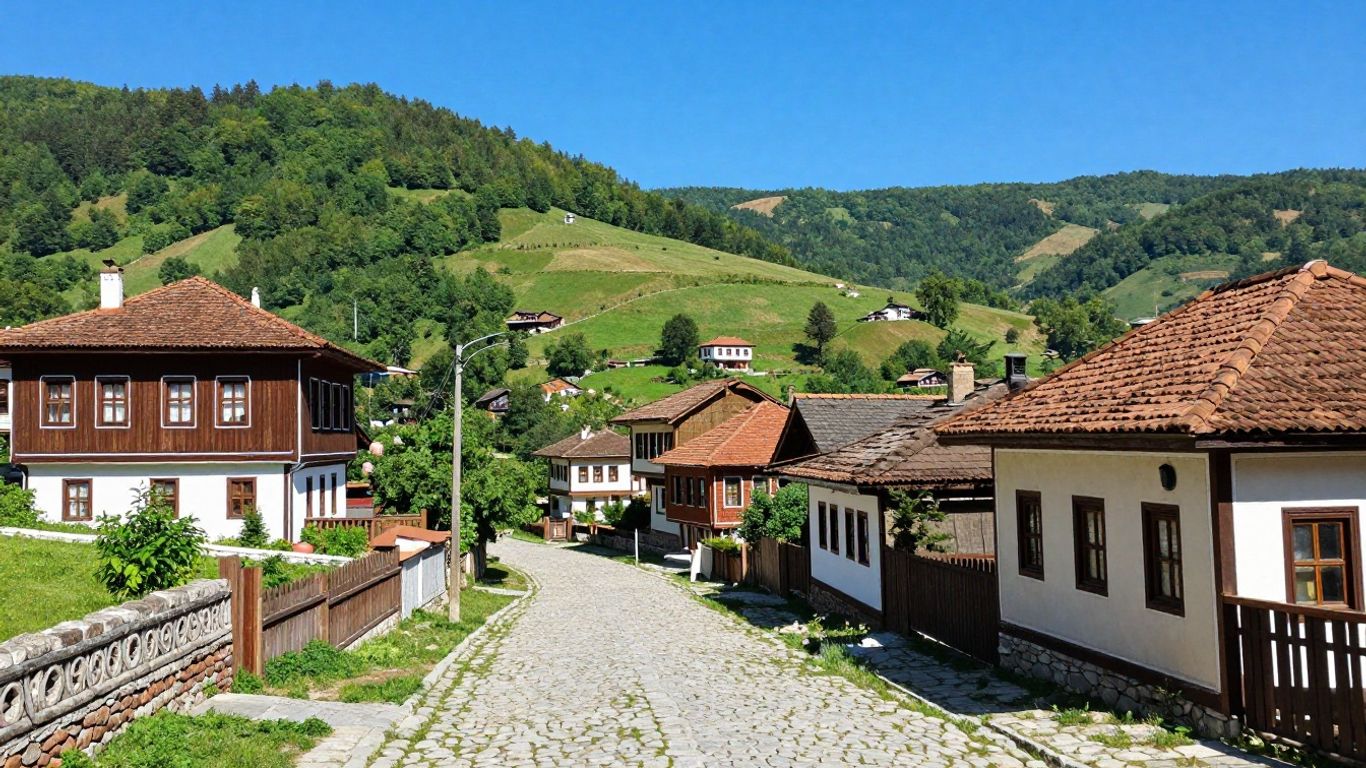
If you’re looking for a place that feels like stepping back in time, Koprivshtitsa is it. Tucked away in the Sredna Gora Mountains, this town is a living museum of the Bulgarian Revival period. You can practically feel the history in the air, especially the spirit of freedom that these buildings seem to hold onto. It’s about a 108 km drive from Sofia, taking roughly an hour and 40 minutes if you take the scenic Sub-Balkan road.
Most people can see the main sights in a couple of hours, but honestly, you could easily spend a whole weekend soaking it all in. The architecture here is really something special. Think colorful houses with ornate wooden balconies and stone roofs, all preserved from the 18th and 19th centuries.
Here are a few things you shouldn’t miss:
- The House-Museum of Georgi Benkovski: Learn about one of the leaders of the April Uprising.
- The House-Museum of Lyuben Karavelov: Explore the home of a prominent writer and national revival figure.
- The Church of the Assumption of the Virgin Mary: Admire the beautiful iconostasis and architecture.
Koprivshtitsa really captures the essence of a bygone era. Wandering through its cobblestone streets, you get a sense of the people who lived here and their deep connection to Bulgarian culture and history. It’s a quiet place, but full of stories.
It’s a small town, but it packs a punch when it comes to cultural significance and visual appeal. Definitely worth a detour if you’re exploring Bulgaria.
9. Arbanassi
Just a stone’s throw from Veliko Tarnovo, you’ll find the charming village of Arbanassi. It feels like stepping back in time, honestly. The village is known for its traditional architecture – think sturdy white stone houses with high fences, giving it a really unique look. It’s not a huge place, but it packs a punch when it comes to history and atmosphere.
What really makes Arbanassi stand out are its churches. There are about seven of them, and they’re pretty well-preserved medieval structures. Each one has its own story and intricate frescoes inside. It’s a bit of a pilgrimage for history buffs, for sure.
Here are a few things that make Arbanassi special:
- Preserved Architecture: The houses and churches here have a distinct style that’s been kept up for centuries.
- Medieval Churches: Seven churches, each with unique art and history.
- Proximity to Veliko Tarnovo: It’s an easy day trip from the larger city.
The village offers a quiet escape, a chance to wander through narrow streets and admire buildings that have stood for hundreds of years. It’s a place where you can really feel the weight of history without it being overwhelming.
If you’re looking for a quiet, historically rich spot to visit, Arbanassi is definitely worth considering. It’s a small village, but its charm is undeniable.
10. Belogradchik Rocks
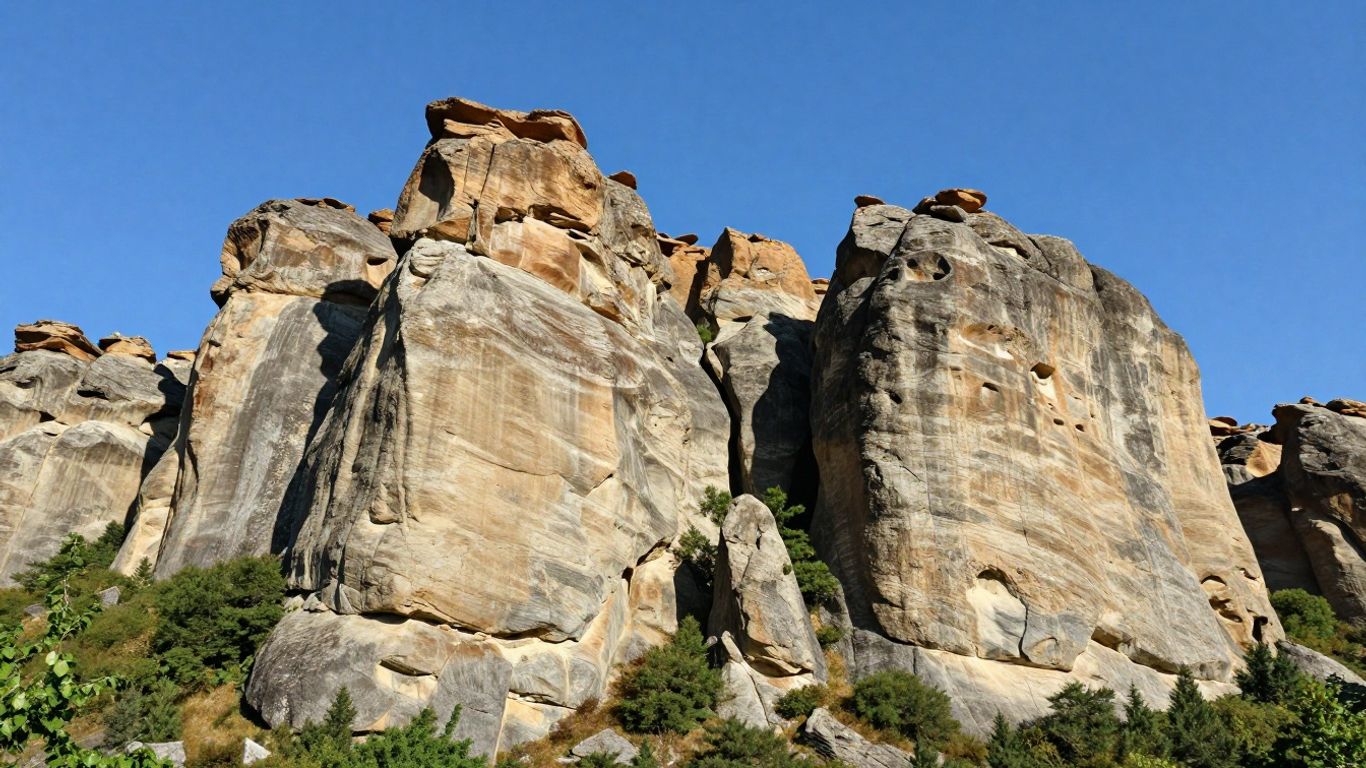
When you’re exploring Bulgaria, you absolutely have to make time for the Belogradchik Rocks. Seriously, these things are wild. They’re a collection of natural rock formations, and some of them look like they’re straight out of a fantasy novel – think bizarre shapes and massive sizes.
These rocks are spread out, but the main action is near the town of Belogradchik itself, which is about a three-hour drive from Sofia. The most impressive part is the Central Group, where you’ll also find the Belogradchik Fortress. It’s pretty cool to see these ancient fortifications nestled right among these natural giants.
Here’s a quick rundown of what makes this place special:
- Unique Shapes: The rocks have been shaped by wind and water over millions of years, resulting in formations that locals have given names to, like the "Monk," the "Rider," and the "Madonna."
- Belogradchik Fortress: This historic fortress is built right into the rocks, using them as natural defenses. It dates back to Roman times and has been expanded over the centuries.
- Panoramic Views: There are several spots around the rocks where you can get amazing views. The area near the TV tower offers some particularly stunning vistas.
It’s a place that really makes you stop and stare. You can spend hours just wandering around, taking photos, and imagining what these rocks have seen over the millennia.
The sheer scale and the unusual forms of the Belogradchik Rocks create a landscape that feels both ancient and otherworldly. It’s a testament to the power of nature and a fascinating glimpse into Bulgaria’s geological past.
Ready to Explore Bulgaria?
So, there you have it – just a taste of what Bulgaria has to offer. From ancient cities and stunning mountains to the Black Sea coast, this country really has something for everyone. It’s a place that’s easy on the wallet but rich in experiences, and honestly, it’s a shame more people don’t know about it. Whether you’re planning a quick trip or a longer adventure, Bulgaria is definitely worth adding to your travel list for 2026. You might just find yourself falling in love with its charm, just like so many others have.
Frequently Asked Questions
When is the best time to visit Bulgaria?
Bulgaria is a fantastic place to visit all year round! If you love skiing or snowboarding, the winter months from December to April are perfect. For sightseeing and enjoying the outdoors without the crowds, spring and autumn are wonderful. Summer is great for hitting the beaches along the Black Sea coast, but it can get pretty warm and busy.
How much time should I plan for a trip to Bulgaria?
For a first trip, a week is usually a good amount of time to see the main highlights. You could spend a couple of days in the capital, Sofia, then head to the historic city of Plovdiv, and maybe finish up at the coast in Varna or Burgas. If you want to explore more of the mountains and smaller towns, two weeks would be even better.
Is it easy to travel around Bulgaria?
Yes, getting around Bulgaria is quite manageable. Major cities have good public transport, and you can fly into Sofia, Varna, or Burgas. Buses and trains connect most towns and cities, though sometimes bus travel can be a bit faster. Renting a car or even a motorhome can be a great way to see more of the country at your own pace, especially if you want to explore national parks and scenic routes.