Planning a trip to Spain can feel a bit overwhelming, right? There are so many amazing places to see! Whether you’re dreaming of city lights, sunny beaches, or historical sites, Spain has something for everyone. This guide is here to help you figure out the best holiday destinations in Spain, so you can stop stressing and start packing. We’ll cover some of the most popular spots and give you a good starting point for your adventure.
Key Takeaways
- Barcelona offers incredible architecture, especially from Gaudí, and a vibrant city atmosphere.
- Madrid, the capital, is packed with museums, parks, and a lively nightlife scene.
- The Canary Islands, like Tenerife and Lanzarote, provide year-round sunshine and unique volcanic landscapes.
1. Barcelona
Barcelona. It’s a city that just pulls you in, you know? It’s got this incredible energy, a mix of old-world charm and super modern vibes. You can spend days just wandering through the Gothic Quarter, getting lost in those narrow, winding streets, and then BAM, you turn a corner and there’s this stunning piece of Gaudi architecture that just blows your mind. Seriously, the Sagrada Familia is something else – it’s been under construction forever, but it’s still absolutely breathtaking. And Park Güell? Pure magic.
Beyond the big sights, Barcelona is all about soaking up the atmosphere. Grab some tapas and a drink at a local bar, watch the street performers on Las Ramblas (though maybe keep a close eye on your belongings there, it can get crowded), or just find a spot in a plaza and people-watch. The food scene is amazing, from fresh seafood to delicious pastries. And if you’re a football fan, catching an FC Barcelona game is an experience you won’t forget.
Here are a few things to keep in mind:
- Getting Around: The metro system is pretty straightforward and gets you pretty much everywhere you need to go. Walking is also a great way to discover hidden gems.
- When to Visit: Spring and fall are generally lovely, with milder weather. Summer can be hot and busy, but the beaches are a big draw then.
- Local Customs: Spaniards tend to eat later in the day. Lunch is usually around 2-3 PM, and dinner isn’t typically before 9 PM. Don’t be surprised if shops close for a few hours in the afternoon.
Barcelona has a unique Catalan culture, and you’ll notice it in the language, the traditions, and the general way of life. It’s a city that really celebrates its identity, and that’s part of what makes it so special.
2. Madrid
Madrid, the heart of Spain, is a city that pulses with energy and culture. It’s a place where grand boulevards meet charming side streets, and world-class museums sit alongside lively tapas bars. You’ll find a city that truly never sleeps, with a vibrant nightlife and a deep appreciation for art and history.
Getting around Madrid is pretty straightforward. The Metro system is efficient and covers most of the city, making it easy to hop between neighborhoods. For longer distances within Spain, the high-speed AVE train is a fantastic option, connecting Madrid to other major cities in just a few hours.
Here are a few things you absolutely shouldn’t miss:
- The Royal Palace: A stunning example of Baroque architecture, it’s the official residence of the Spanish royal family.
- Prado Museum: Home to an incredible collection of European art, including masterpieces by Goya, Velázquez, and El Greco.
- Retiro Park: This massive green space is perfect for a leisurely stroll, a boat ride on the lake, or just people-watching.
- Plaza Mayor: A grand, arcaded square that’s been the center of Madrid life for centuries, perfect for grabbing a coffee and soaking in the atmosphere.
Madrid’s culinary scene is just as impressive. From traditional tapas bars serving up classics like patatas bravas and croquetas to innovative restaurants pushing the boundaries of Spanish cuisine, there’s something to satisfy every palate. Don’t forget to try some ‘chocolate con churros’ – it’s a classic Madrid treat, especially popular in the fall.
Madrid is a city that rewards exploration. Wander off the main avenues, get lost in the narrow streets of La Latina, and discover hidden plazas where locals gather. It’s in these unexpected corners that you’ll find the true spirit of the city.
3. Mallorca
Mallorca, the largest of Spain’s Balearic Islands, is a place that really has something for everyone. Whether you’re looking for buzzing nightlife, quiet beaches, or stunning mountain scenery, you’ll find it here. It’s not just about the beaches, though they are pretty spectacular. Think soft sand, clear blue water – the kind you see in postcards. But venture inland and you’ll discover a different side to the island.
The Serra de Tramuntana mountain range, a UNESCO World Heritage site, offers incredible hiking and cycling routes with breathtaking views. It’s a great escape from the coastal crowds. You can wander through charming old villages like Valldemossa or Deià, which feel like they’ve been frozen in time. These places are full of history and local character.
Here’s a quick look at what makes Mallorca special:
- Beaches: From long sandy stretches like Es Trenc to hidden rocky coves (calas), there’s a beach for every mood.
- Mountains: The Serra de Tramuntana provides dramatic landscapes and outdoor adventure opportunities.
- Villages: Explore historic towns with narrow streets, local markets, and traditional architecture.
- Food: Sample local specialties like ensaimadas (a sweet pastry) and fresh seafood.
Mallorca is more than just a summer beach destination. It’s an island with a rich history, diverse landscapes, and a vibrant culture that can be enjoyed year-round. Planning to explore the smaller towns and secluded coves for at least a week after spending a couple of days in the main city areas is a good way to get a real feel for the island.
Getting around is pretty easy. You can rent a car, which is ideal for exploring the more remote parts of the island. Public transport is decent too, especially between the main towns and resorts. If you’re into cycling, Mallorca is a dream. There are dedicated paths and routes all over, from coastal roads to challenging mountain climbs.
4. Menorca
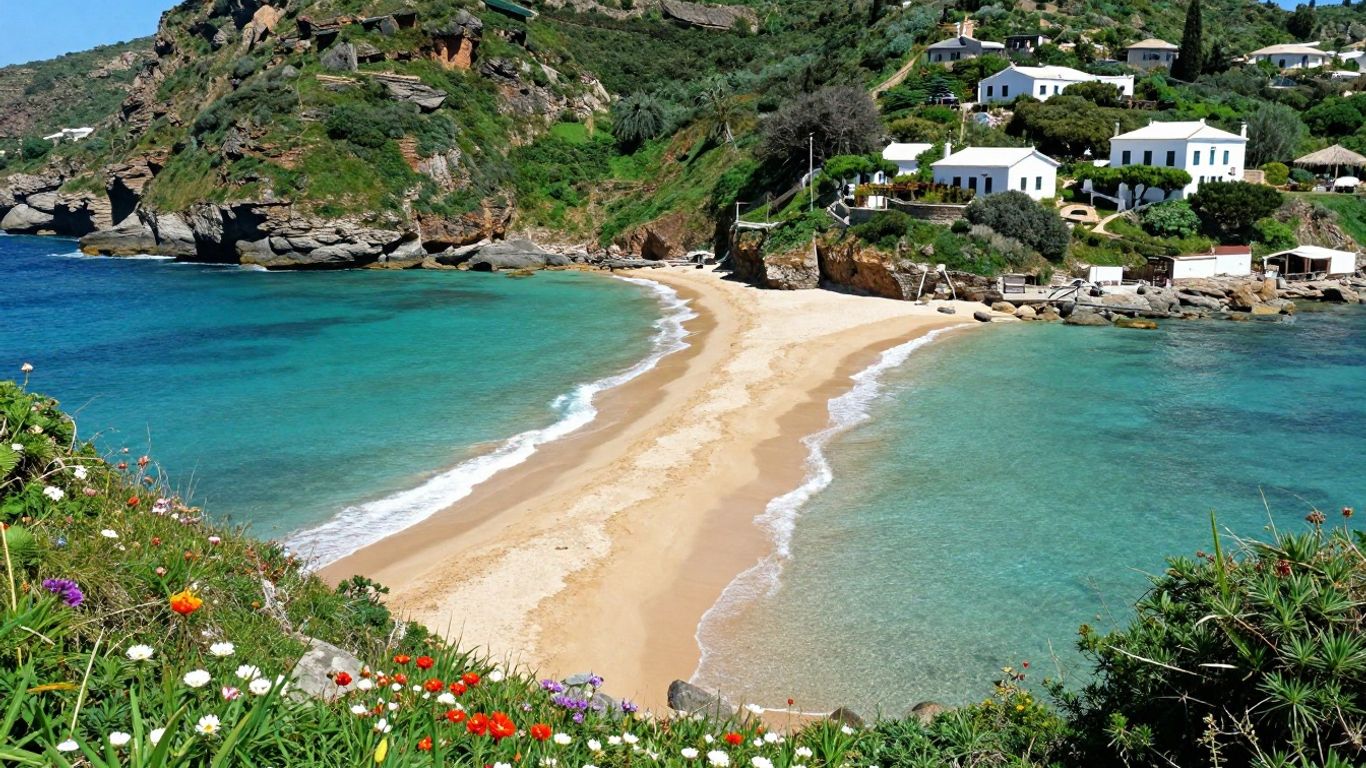
Menorca, the quieter sibling in the Balearic Islands, offers a different kind of Spanish escape. It’s a place where you can really slow down and soak in the natural beauty. This island is a UNESCO Biosphere Reserve, and it really shows. You won’t find the massive resorts here; instead, think charming villages, pristine beaches, and a relaxed vibe that’s hard to beat.
One of the coolest things about Menorca is the Camí de Cavalls. It’s an old trail that goes all the way around the island, about 115 miles total. You can hike it, bike it, or even ride a horse along it. It takes you past some seriously stunning coastal views and hidden coves.
Here’s a little taste of what you can expect:
- Beaches: From the fine white sands of Cala Macarella to the more rugged beauty of Cala Pregonda, Menorca has a beach for everyone. Many are only accessible by foot or boat, which keeps them feeling pretty special.
- Food: Don’t miss out on the local cheese, Mahón-Menorca cheese, it’s really good. And you absolutely have to try an ‘ensaimada’, a sweet pastry that’s a local specialty. Fresh seafood is also a big deal here, obviously.
- History: Menorca has a long history, with ancient sites like the Talayotic settlements scattered across the island. It’s fascinating to see these old stone structures that have stood for thousands of years.
The pace of life here is noticeably slower than on its larger neighbors. It’s the kind of place where you can spend your days exploring quiet paths, swimming in clear blue waters, and enjoying simple, delicious food without feeling rushed. It’s a real breath of fresh air.
5. Tenerife
Tenerife, the biggest of the Canary Islands, is a place that really has a bit of everything. You’ve got the dramatic volcanic landscapes, sure, but also some seriously nice beaches and a whole lot of sunshine. It’s the kind of island where you can spend your morning hiking up Spain’s highest peak, Mount Teide, and then be lounging on the sand by the afternoon.
The island’s diverse geography means you can experience vastly different climates and scenery just a short drive apart.
Here’s a quick look at what makes Tenerife stand out:
- Mount Teide National Park: This is the big one. The views from the top are just unreal, especially at sunrise or sunset. It feels like you’re on another planet with all the volcanic rock formations.
- Beaches: From the golden sands of Playa de las Américas to the black volcanic beaches in the north, there’s a stretch of coast for everyone. Some are great for swimming, others for catching some waves.
- Charming Towns: Don’t just stick to the resorts. Places like La Laguna, a UNESCO World Heritage site, have beautiful colonial architecture and a more relaxed vibe. Puerto de la Cruz in the north also has a lovely old town feel.
- Outdoor Activities: Beyond hiking Teide, you can go whale and dolphin watching, explore the Anaga Rural Park with its ancient laurel forests, or even try paragliding.
Tenerife isn’t just about the tourist spots. If you venture off the beaten path, you’ll find smaller villages with local restaurants serving up fresh seafood and traditional Canarian dishes. It’s worth taking the time to explore these quieter corners of the island to get a real feel for the place.
6. Lanzarote
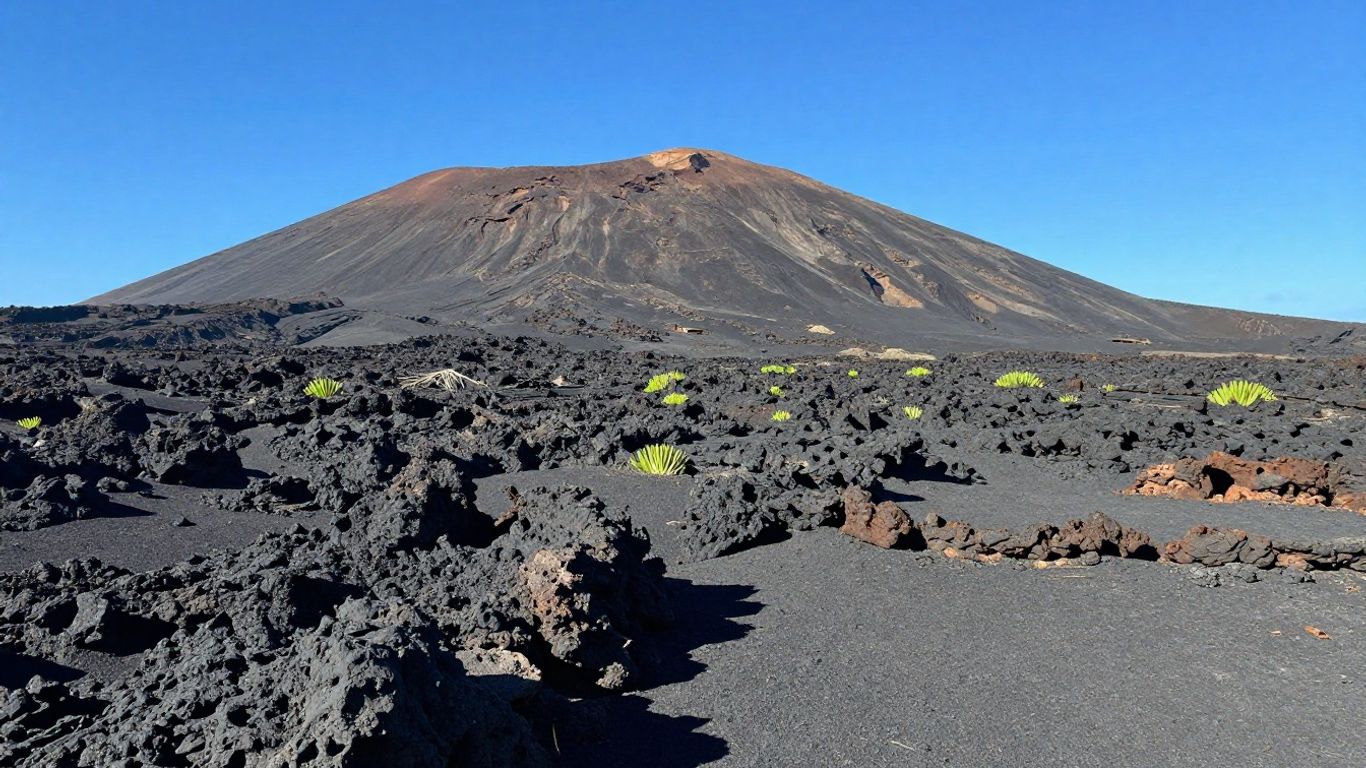
Lanzarote, the easternmost of the Canary Islands, feels like stepping onto another planet. Its landscape is a dramatic canvas of volcanic rock, shaped by eruptions centuries ago, but it’s not just barren land. Artist and conservationist César Manrique left an indelible mark on the island, blending art and nature in a way that’s truly unique. You’ll see his influence everywhere, from the protected architecture in towns like Tahíche to the stunning viewpoints he helped create.
When you visit, you’ll want to check out Timanfaya National Park. It’s a protected area where you can see the volcanic terrain up close. They even do demonstrations there, like cooking food using the heat from the ground. It’s pretty wild.
Beyond the volcanic sights, Lanzarote has some lovely beaches, though they’re often a bit more rugged than what you might find elsewhere. Playa Blanca on the southern tip is a popular spot with golden sands and clear waters, great for a relaxed day. If you’re up for a bit of exploration, the Jameos del Agua is a must-see. It’s a series of volcanic caves that Manrique transformed into an auditorium, a restaurant, and even a swimming pool. It sounds strange, but it works.
Getting around the island is pretty straightforward. Renting a car is probably the easiest way to see everything at your own pace. Public transport is available, but it can be a bit slower.
Here are a few things you shouldn’t miss:
- Timanfaya National Park: Witness the raw volcanic power and enjoy a camel ride across the lava fields.
- Jameos del Agua: Explore the unique volcanic caves transformed into cultural spaces.
- Mirador del Río: Take in breathtaking panoramic views of the island and the nearby Graciosa islet.
- César Manrique Foundation: Visit the artist’s former home, now a museum showcasing his work and vision.
Lanzarote offers a different kind of island experience. It’s less about sprawling resorts and more about appreciating a landscape that feels ancient and artfully preserved. The island’s commitment to Manrique’s vision means that development has been carefully managed, keeping its unique character intact.
7. Gran Canaria
Gran Canaria is often called a "miniature continent" and honestly, it kind of feels like it. You’ve got everything from sandy beaches to rugged mountains, all packed onto one island. It’s part of the Canary Islands, which means the weather is pretty sweet year-round, making it a good spot no matter when you decide to visit.
One of the coolest things is the sheer variety. You can spend your mornings lounging on the Maspalomas dunes, which look like a little slice of the Sahara, and then head inland for some serious hiking in the central mountains. The Roque Nublo is a famous rock formation up there, and the views are pretty epic.
Here’s a quick look at what makes it tick:
- Beaches: From the long stretches of sand in the south (like Playa del Inglés) to more secluded coves, there’s a beach for everyone.
- Nature: Think pine forests, dramatic ravines, and those famous sand dunes.
- Towns: Las Palmas de Gran Canaria, the capital, is a proper city with a historic quarter (Vegueta) and a long urban beach (Las Canteras).
- Activities: Hiking, cycling, water sports, or just chilling by the pool – it’s all on the table.
The island really shines when you explore beyond the main tourist spots. Don’t just stick to the southern resorts; venture out to the smaller villages and discover a different side of Gran Canaria. You might be surprised by what you find.
Getting around can be a bit of an adventure. While there’s a bus system, renting a car really opens up the island. Some of the roads, especially up in the mountains, can be pretty winding, so take your time and enjoy the scenery.
8. Seville
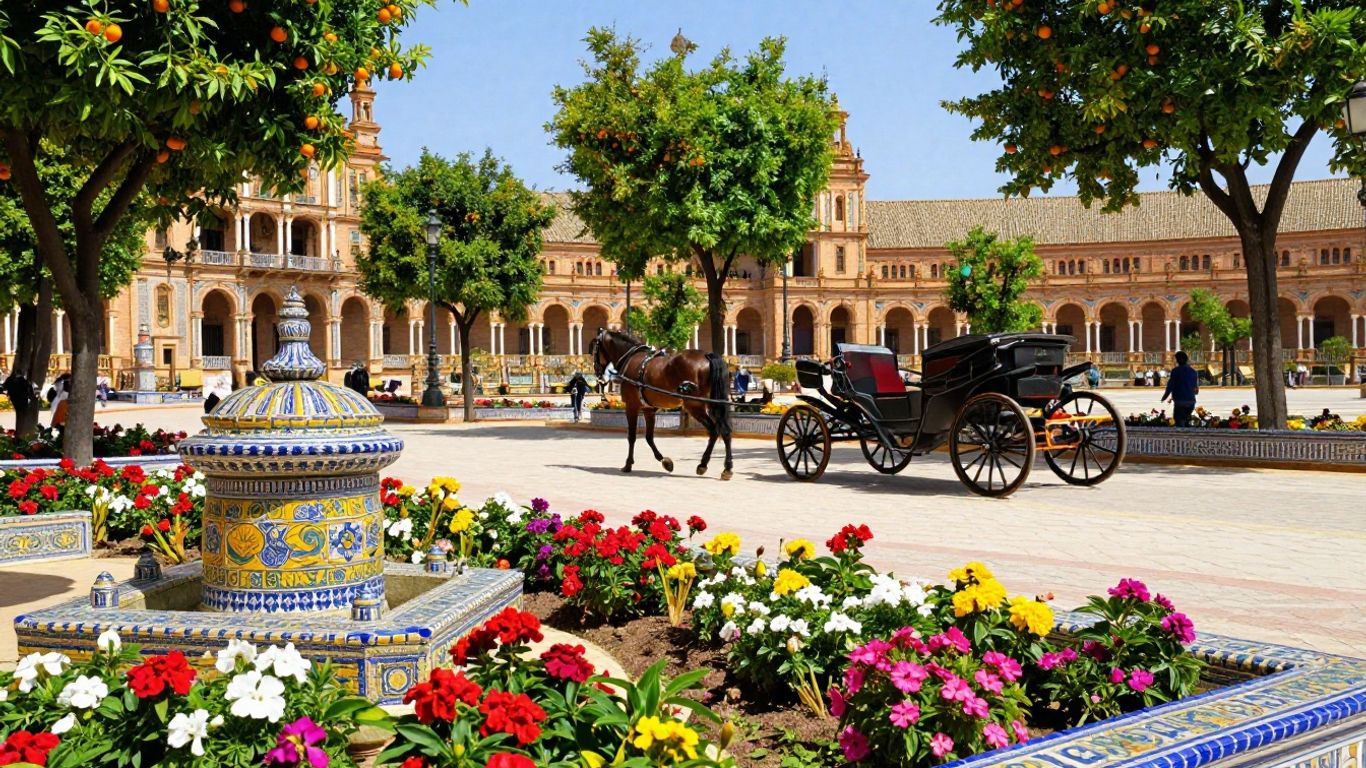
Seville, the capital of Andalusia, is a city that just oozes charm. It’s the kind of place where you can wander for hours and still feel like you’ve only scratched the surface. The vibe here is just different – think orange trees lining the streets, the sound of flamenco music drifting from open windows, and a general sense of vibrant life.
The Plaza de España is an absolute must-see; it’s this massive, semi-circular plaza with canals, bridges, and tiled alcoves representing different Spanish provinces. It feels like stepping onto a movie set, honestly. And then there’s the Royal Alcázar, a stunning palace complex that shows off incredible Moorish architecture. You could spend a whole day just exploring its courtyards and gardens.
When it comes to food, Seville is a tapas paradise. You’ve got to try the local specialties:
- Croquetas: Creamy béchamel filling, often with ham, all wrapped in a crispy fried shell. So good.
- Espinacas con Garbanzos: Spinach and chickpeas, usually seasoned with cumin and other spices. Sounds simple, but it’s incredibly flavorful.
- Solomillo al Whisky: Pork tenderloin in a whiskey sauce. Rich and delicious.
- Salmorejo: A thicker, creamier version of gazpacho, often topped with ham and hard-boiled egg.
Beyond the main sights, just getting lost in the Santa Cruz neighborhood, the old Jewish quarter, is an experience in itself. The narrow, winding streets open up into tiny plazas, and there are little shops and tapas bars everywhere.
Seville really comes alive during its festivals. Semana Santa (Holy Week) is a huge deal, with elaborate processions. And then there’s Feria de Abril, a week-long party with dancing, music, and, of course, more tapas. If you can time your visit for either of those, you’re in for a treat, though be prepared for crowds!
Getting around is pretty easy. The historic center is very walkable, and there’s a decent public transport system if you need to go further afield. You’ll find that flamenco is a big part of the culture here, so catching a show is highly recommended.
9. Granada
Okay, so if you’re looking for a place in Spain that really packs a punch with history and culture, you’ve got to put Granada on your list. It’s nestled at the foot of the Sierra Nevada mountains, which is pretty cool on its own, but the real star here is the Alhambra. Seriously, this palace and fortress complex is something else. It’s a stunning example of Moorish architecture, with intricate tilework, peaceful courtyards, and gardens that just make you want to sit and soak it all in.
Beyond the Alhambra, the old Moorish quarter, Albaicín, is a maze of narrow, winding streets. Getting lost here is actually part of the fun, and you’ll stumble upon little plazas and viewpoints with amazing views of the Alhambra, especially at sunset. It feels like stepping back in time.
And the food scene? It’s fantastic. Granada is famous for its tapas culture. The best part? In many places, you get a free tapa with your drink. It’s a great way to try a bunch of different local flavors without breaking the bank.
Here are a few things you absolutely shouldn’t miss:
- The Alhambra: Book your tickets well in advance, seriously. It gets crowded.
- Albaicín Quarter: Wander aimlessly and find the Mirador de San Nicolás for iconic views.
- Sacromonte: This neighborhood is known for its cave dwellings and traditional flamenco shows.
- Granada Cathedral: A massive Renaissance cathedral that’s quite a contrast to the Moorish sites.
Granada offers a unique blend of history, stunning architecture, and vibrant street life. It’s a city that truly captures the spirit of Andalusia, making it a must-visit for anyone wanting to experience the soul of Spain.
10. Valencia
Valencia, a city that really has it all, sits on Spain’s southeastern coast. It’s a place where ancient history meets modern design, and the food scene is just incredible. You’ve probably heard of paella, right? Well, this is its birthplace, and trust me, trying an authentic Valencian paella here is a must-do. It’s not just about the rice dishes, though; the city offers a fantastic mix of culture, beaches, and vibrant street life.
When you’re in Valencia, make sure to wander through the historic El Carmen neighborhood. It’s full of narrow, winding streets, colorful buildings, and charming little squares. Don’t miss La Lonja de la Seda, a stunning Gothic building that was once a silk exchange – the vaulted ceilings and twisted columns are seriously impressive. For a taste of the city’s futuristic side, head to the City of Arts and Sciences. It’s a complex of buildings designed by Santiago Calatrava, housing an opera house, a science museum, and an aquarium. It looks like something from another planet!
Here are a few things you absolutely shouldn’t miss:
- The City of Arts and Sciences: A breathtaking architectural marvel. Plan to spend at least half a day exploring its different parts.
- Central Market (Mercado Central): One of Europe’s oldest and largest food markets. It’s a feast for the senses with fresh produce, local cheeses, cured meats, and seafood.
- Valencia Cathedral and the Holy Grail: Legend has it that the chalice inside the cathedral is the actual Holy Grail.
- Malvarrosa Beach: Perfect for a relaxing day by the Mediterranean Sea, with plenty of chiringuitos (beach bars) to grab a drink or a bite.
Valencia is also famous for its ‘Fallas’ festival in March, a huge celebration with giant papier-mâché figures that are set on fire. It’s a wild and unforgettable experience if you happen to be there at the right time.
Ready for Your Spanish Adventure?
So, we’ve covered a lot of ground, from the bustling streets of Barcelona to the sunny beaches of the south and the unique islands. Spain really does have something for everyone, whether you’re looking for history, amazing food, or just a place to relax. Hopefully, this guide has given you some solid ideas for where to go and what to do on your next trip. Don’t forget to try some of the local dishes and maybe even learn a few Spanish phrases – it makes the experience so much richer. ¡Buen viaje!
Frequently Asked Questions
What are the must-try foods in Spain besides tapas and paella?
While tapas and paella are famous, Spain offers many other delicious dishes. You should definitely try jamón ibérico, which is like a special cured ham. Another popular choice is tortilla de patatas, a potato omelet that people debate whether it should have onions or not. You’ll find these and other tasty treats in restaurants all over the country.
When is the best time to visit Spain?
The best times to visit Spain are generally from April to mid-June and again from mid-September to December. During these periods, the weather is usually pleasant for exploring, and you can enjoy outdoor activities without the intense heat of summer or the chill of winter.
What are some tips for first-time visitors to Spain?
For your first trip to Spain, it’s helpful to know a few things. Learn a few basic Spanish phrases, as it can go a long way. Also, be aware of local customs, like dining times, which tend to be later than in some other countries. Planning your transportation between cities and within them can also save you time and hassle.