Planning a trip to Bulgaria in 2026? This country is a real find, packed with history and beautiful nature, but it doesn’t break the bank. From ancient cities to mountain retreats and sunny beaches, there’s a lot to see. We’ve put together a list of the best places to visit in Bulgaria to help you plan your adventure. Get ready to explore a corner of Europe that’s full of surprises and offers a truly authentic experience.
Key Takeaways
- Bulgaria offers a mix of old history and natural beauty, from Roman ruins to mountain hikes.
- It’s a very affordable destination in Europe, making it great for budget travelers.
- You can find everything from lively beach resorts and ski towns to historic cities and quiet villages.
1. Plovdiv
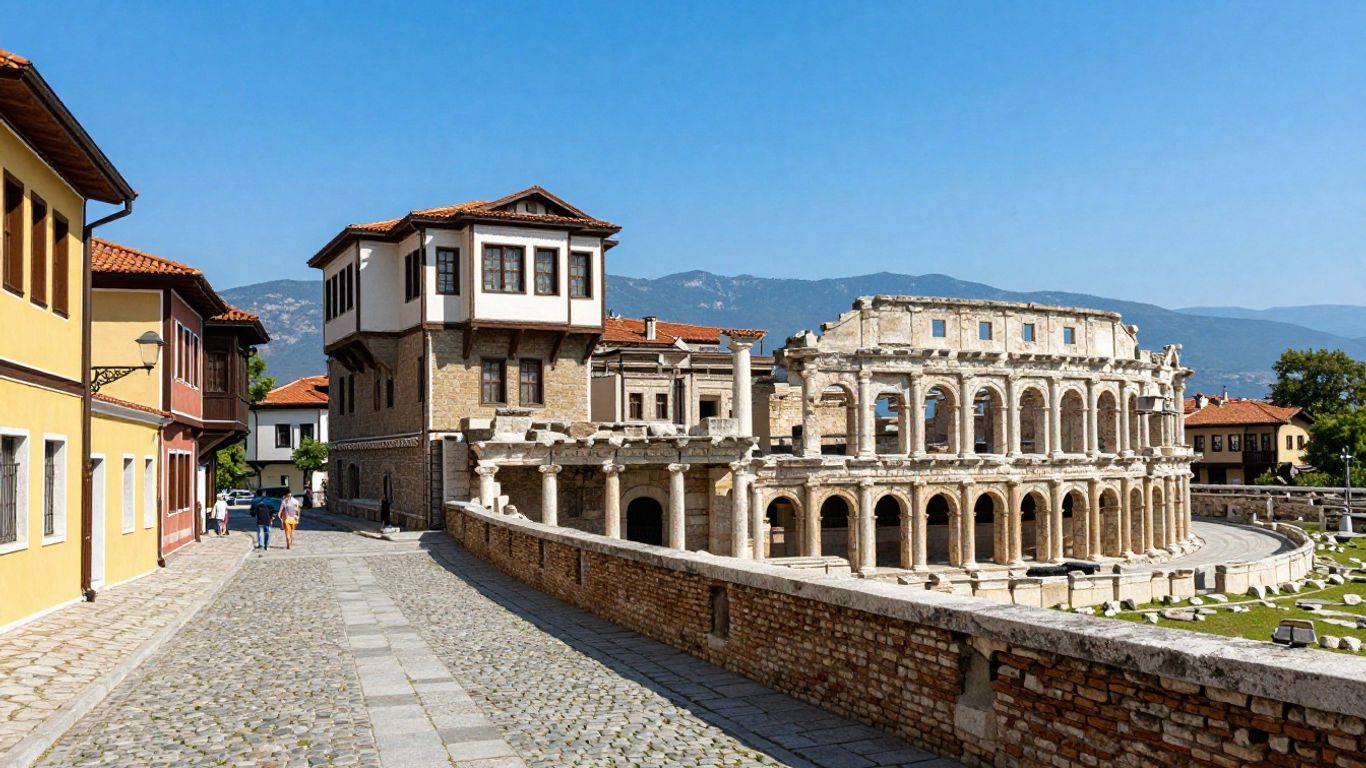
Plovdiv is a city that really makes you slow down and appreciate things. It’s one of the oldest continuously inhabited cities in Europe, and you can feel that history everywhere you go. The Old Town is a maze of colorful houses with cool architectural details, and wandering through it feels like stepping back in time.
The Roman Amphitheatre is a must-see, still used for performances today. It’s pretty amazing to think about all the events that have happened there over the centuries.
Here are a few things you shouldn’t miss:
- Kapana District: This area used to be a craftsmans’ quarter and now it’s full of little art shops, cafes, and bars. It’s got a really creative vibe and is a great spot to just hang out and people-watch.
- Roman Amphitheatre: As mentioned, it’s a huge piece of history right in the city center.
- Nebet Tepe: This hill offers great views over the city and is one of the oldest parts of Plovdiv, with remnants of ancient settlements.
It’s the kind of place where you can spend hours just strolling along the main pedestrian street or finding a quiet park bench. It doesn’t feel like a city that rushes you; it invites you to just be present.
Plovdiv has this warm, welcoming feel that’s hard to describe. It’s beautiful, historic, and surprisingly affordable, making it a really pleasant stop on any Bulgarian adventure.
2. Sofia
Sofia, Bulgaria’s capital, is a city that really surprised me. It’s got this cool mix of old and new, with ancient ruins popping up right next to modern buildings. You can literally walk through thousands of years of history in just a few blocks. It’s also surprisingly green, with big parks and Vitosha Mountain practically in its backyard, offering amazing views and a quick escape from the city buzz.
What I liked most was how easy it was to get around. The metro is super convenient and cheap, and a lot of the main sights are within walking distance. Plus, compared to other European capitals, Sofia is really easy on the wallet. You can eat well, stay somewhere nice, and explore without constantly checking your bank balance.
Here’s a quick rundown of what makes Sofia worth a visit:
- History Buff’s Dream: From the massive Alexander Nevsky Cathedral with its golden domes to the ancient Roman ruins of Serdica, history is everywhere. Don’t miss the Saint Sophia Church, which actually gave the city its name!
- Vibrant City Life: Sofia has a great cafe culture, especially around Vitosha Boulevard and Shishman Street. Evenings offer a good mix, from elegant theatre performances to lively clubs playing electronic music.
- Nature’s Close Neighbor: Vitosha Mountain is a huge plus. You can be hiking or enjoying panoramic views of the city within 30 minutes. In winter, it’s even a place to ski.
Sofia manages to feel both grand and intimate. It’s a place where you can spend your morning exploring centuries-old churches and your afternoon sipping coffee in a trendy cafe, all while Vitosha Mountain watches over the city. It’s a destination that offers a lot without feeling overwhelming.
When it comes to food, expect hearty and tasty dishes. Think Shopska salad, delicious banitsa for breakfast, and plenty of grilled meats. And don’t forget to try some local wine or a small glass of rakia (responsibly, of course!). It’s a city that balances its rich past with a lively present, making it a really interesting place to explore in 2026.
3. Rila Monastery
You absolutely have to make time for the Rila Monastery. It’s a UNESCO World Heritage site and honestly, it feels like stepping into another world. The architecture is just stunning, with those black and white striped arches and the walls covered in these incredibly detailed murals. They tell stories, and even if you’re not religious, they’re pretty amazing to look at.
Inside, the monastery is just as impressive. There’s a whole underground museum that holds some really old and special items. One of the highlights is something called "Raphael’s Cross," which apparently took over a decade to carve. Talk about dedication!
Here’s a quick rundown of what to expect:
- Striking Architecture: The exterior is covered in colorful frescoes, and the interior is just as ornate.
- Underground Museum: Home to ancient relics, including the famous "Raphael’s Cross."
- Peaceful Atmosphere: Despite its grandeur, the monastery has a really calm and spiritual vibe.
- Resident Cats: Keep an eye out for the monastery’s feline inhabitants, they add a unique charm.
When you visit, remember to dress respectfully. They can be a bit strict about shoulders and knees being covered, so bringing a light jacket or scarf is a good idea, just in case.
The Rila Monastery isn’t just a building; it’s a piece of Bulgarian history and spirit. It’s a place that makes you stop and think, surrounded by mountains and centuries of devotion. It’s a must-see for anyone wanting to understand Bulgaria’s cultural heart.
4. Bansko
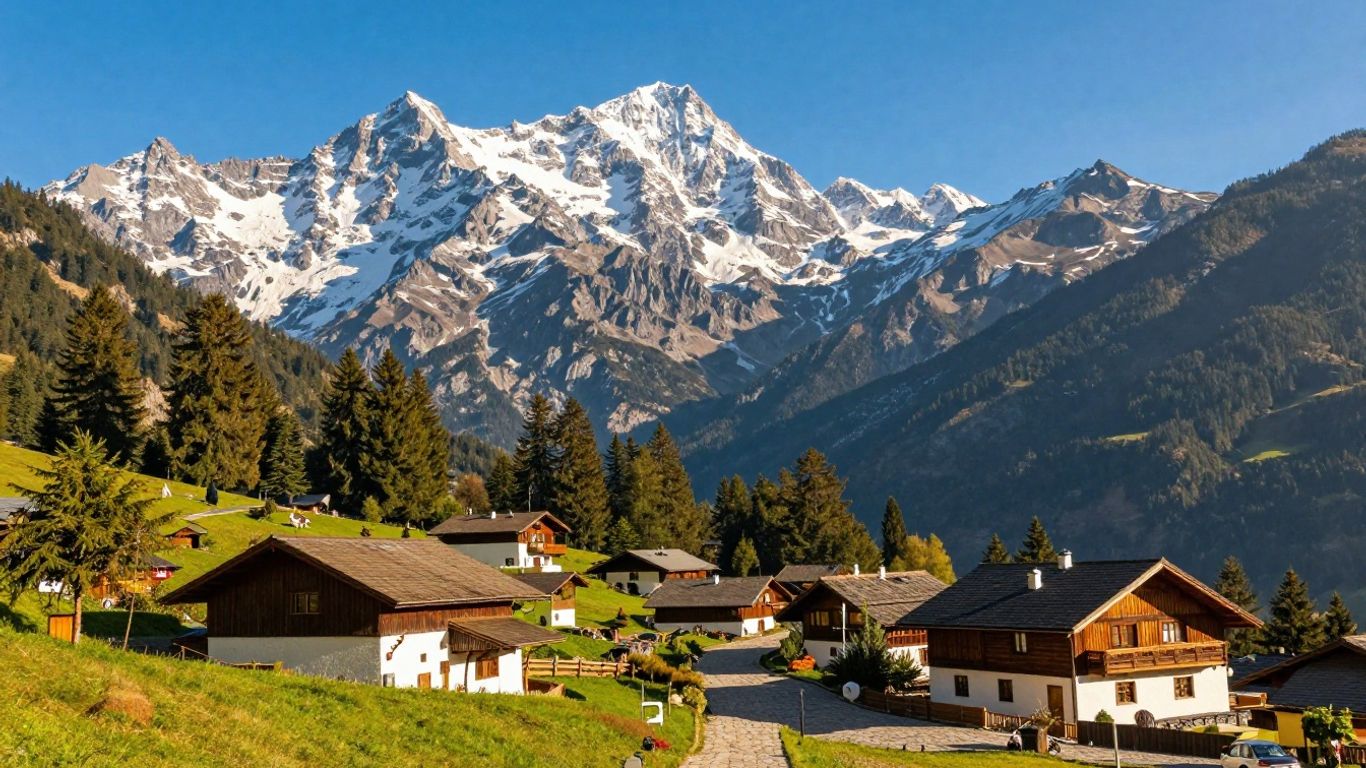
Bansko is probably Bulgaria’s most well-known ski resort, and for good reason. It sits at the foot of the Pirin Mountains, offering a seriously impressive backdrop for your winter adventures. If you’re looking for long runs and modern lifts, Bansko has got you covered. It’s a place that really comes alive in the winter.
The ski season here usually kicks off in December and can stretch all the way through March, giving you a good window to hit the slopes. The resort boasts a decent network of runs, catering to a range of abilities, though it’s particularly popular with intermediate skiers. You’ll find plenty of modern facilities, including a gondola that whisks you up the mountain.
Beyond the skiing itself, Bansko has this cool vibe. The old town part of Bansko is really charming, with its traditional stone houses and narrow streets. It feels like stepping back in time a bit, which is a nice contrast to the modern ski facilities. You can wander around, check out the local shops, and just soak in the atmosphere.
When it comes to food, you’re in for a treat. Think hearty Bulgarian dishes. You absolutely have to try some local specialties like kavarma (a slow-cooked meat stew) or banitsa (a cheese-filled pastry). Pair it with some rakia, a strong local brandy, and you’ll be warm in no time. There are plenty of cozy mehanas (traditional taverns) where you can get a good meal without spending a fortune.
Getting to Bansko is pretty straightforward. Most people fly into Sofia Airport, which is about a two-hour drive away. You can grab a shuttle bus or arrange a private transfer, which makes the journey quite easy. It’s a popular spot, so it tends to be busy, especially during peak season.
Why Bansko?
- Great Value: Compared to other European ski resorts, Bansko offers fantastic value for money. Lift passes, equipment rental, and accommodation are generally much more affordable.
- Varied Terrain: While it’s known for its intermediate slopes, there are options for beginners and more advanced skiers too.
- Charming Old Town: The historic center provides a cultural experience off the slopes.
- Lively Après-Ski: There’s a good buzz in the evenings with various bars and restaurants.
Bansko manages to blend a serious ski offering with a genuinely historic and welcoming town atmosphere. It’s a place where you can spend your days on the mountain and your evenings exploring ancient streets and enjoying hearty local food. It’s a solid choice for a winter trip that won’t break the bank.
5. Nessebar
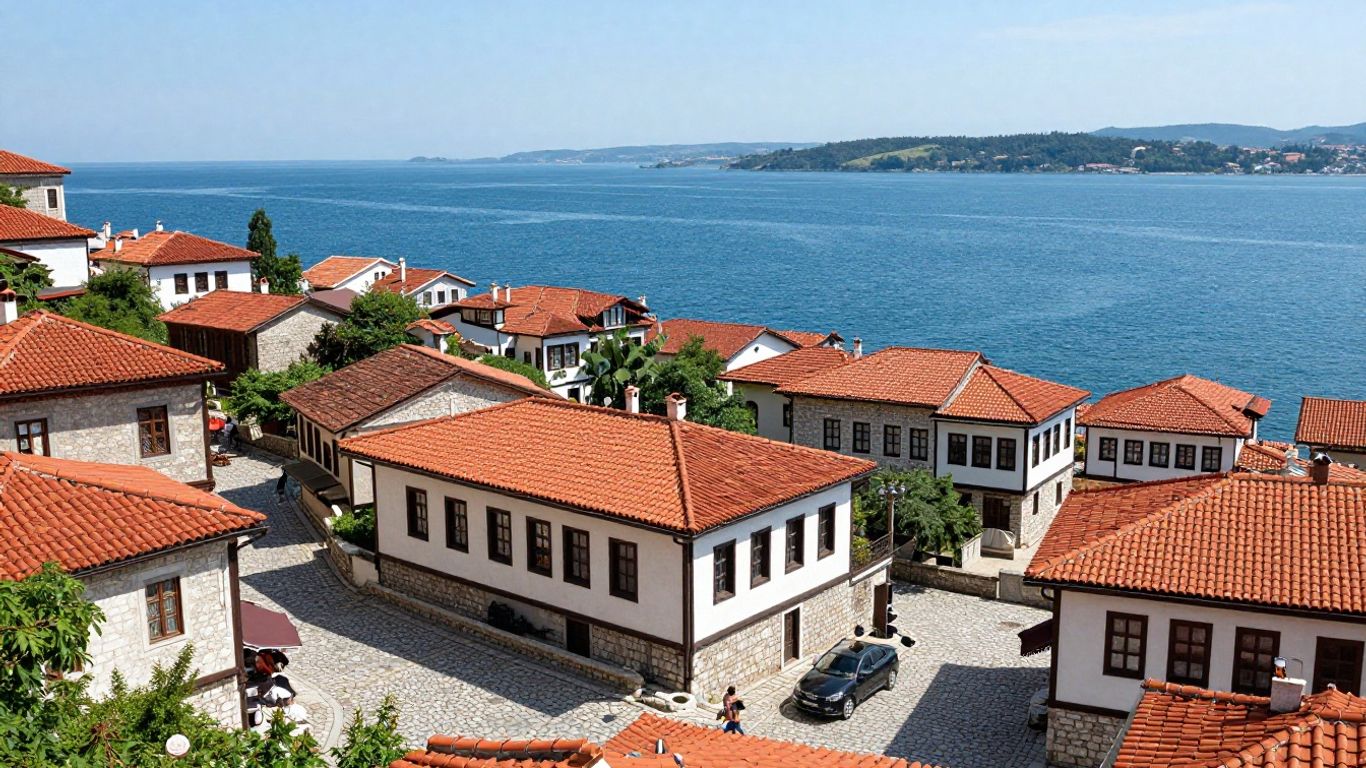
Nessebar is a real gem on the Bulgarian Black Sea coast. It’s an old town that sits on a tiny peninsula, and honestly, it feels like stepping back in time. The streets are narrow and made of stone, with these really charming old wooden houses lining them. You’ll also find bits and pieces of ancient churches scattered around, which is pretty cool.
The whole vibe here is super relaxed. It’s the kind of place where you can just wander around, soak up the history, and enjoy the sea breeze without feeling rushed. There are plenty of little cafes where you can grab a coffee or a drink and just watch the world go by. And if you’re into seafood, you’re in luck – there are lots of places serving up fresh catches with amazing views of the water.
Here’s what makes Nessebar stand out:
- Ancient History: Explore ruins and churches dating back centuries.
- Unique Location: The old town is on a small peninsula, surrounded by the sea.
- Charming Architecture: Admire the traditional Bulgarian Revival houses.
- Seaside Atmosphere: Enjoy peaceful walks and sea views.
It’s a great spot if you’re looking for a mix of culture and a bit of quiet seaside time. You can easily spend a day just getting lost in its streets and enjoying the scenery. It’s definitely one of those places that sticks with you.
Nessebar offers a unique blend of history and coastal charm, making it a memorable stop for any traveler seeking a more tranquil experience along the Black Sea.
6. Borovets
Borovets is Bulgaria’s oldest mountain resort, and it’s a pretty popular spot, especially if you’re into skiing or snowboarding. It’s located right on the slopes of the Rila Mountains, which makes getting to the lifts super easy.
It’s known for its lively atmosphere and good value compared to other European ski destinations. You’ll find a mix of runs here, from beginner-friendly slopes to more challenging ones for experienced skiers. The resort has been updated over the years, so the lifts are generally pretty modern.
Here’s a quick rundown of what Borovets offers:
- Skiing & Snowboarding: Plenty of slopes for all levels, with a good amount of snow usually from December to March.
- Après-Ski: It’s got a reputation for being a bit of a party town after the slopes close, with lots of bars and restaurants.
- Scenery: Being in the Rila Mountains means you get some pretty amazing views while you’re up on the mountain.
- Accessibility: It’s not too far from Sofia, making it a convenient getaway.
While it’s a fantastic winter destination, Borovets also has things to do in the summer. You can go hiking, mountain biking, or just enjoy the cooler mountain air. It’s a place that really comes alive when the snow falls, but it’s got a charm year-round.
Getting there is usually straightforward. Most people fly into Sofia and then take a bus or a pre-booked transfer. It’s about an hour and a half to two hours drive, depending on the traffic and weather conditions.
7. Varna
Varna, often called the ‘Sea Capital’ of Bulgaria, is a city that really knows how to blend history with a lively seaside vibe. It’s right on the Black Sea coast, so you get that nice salty air and the sound of waves, which is pretty great.
The city is a fantastic mix of ancient history and modern fun. You can wander through Roman ruins one minute and then be chilling at a beachside cafe the next. It’s not just about the beaches, though. Varna has some really interesting museums, like the National Maritime Museum, which is super cool if you’re into ships and all that. And don’t miss the Varna Archaeological Museum – it has some seriously old treasures, including the world’s oldest gold treasure.
Here are a few things you shouldn’t miss:
- The Sea Garden: This is a huge, beautiful park right by the sea. It’s perfect for a long walk, has playgrounds for kids, and even an open-air theatre.
- Dolphinarium: Catch a show here; the dolphins are pretty entertaining.
- Cathedral of the Assumption of the Mother of God: A really impressive cathedral with stunning architecture.
- Roman Thermae: Explore the ruins of ancient Roman baths – it gives you a real sense of the city’s past.
Varna has this relaxed energy that makes you feel right at home. It’s the kind of place where you can spend your days exploring ancient history or just lounging by the sea, and it never feels rushed. The food scene is also pretty good, with lots of fresh seafood options.
Getting around is pretty easy, and you’ll find plenty of places to eat, from fancy restaurants to casual spots. It’s a great place to experience Bulgaria’s coastal side.
8. Burgas
Burgas is a city on Bulgaria’s Black Sea coast that’s often overlooked for its flashier neighbors, but it has a charm all its own. It’s a great place to get a feel for coastal Bulgarian life without the overwhelming crowds you might find elsewhere. The city itself is quite spread out, with a lovely Sea Garden that runs along the waterfront – perfect for a leisurely stroll.
The city is a gateway to some beautiful natural areas, including the nearby lakes. These aren’t just any lakes; they’re home to a surprising amount of birdlife, especially during migration seasons. It’s a real treat for anyone who enjoys nature and birdwatching.
Here’s a quick look at what makes Burgas interesting:
- Sea Garden: A huge, well-maintained park right on the coast. It’s got walking paths, sculptures, an open-air theatre, and even a small zoo. It’s the heart of the city’s outdoor life.
- Archaeological Museum: Housed in a beautiful old building, it showcases artifacts from the region’s long history, from ancient Thracian treasures to Roman finds.
- Nearby Lakes: Burgas Lake, Atanasovsko Lake, and Mandrensko Lake offer unique ecosystems. Atanasovsko Lake is particularly famous for its pink flamingos and salt pans.
- Festivals: Throughout the summer, Burgas hosts various cultural events and festivals, adding a lively buzz to the city.
Burgas offers a more relaxed vibe compared to some of the more tourist-heavy spots on the coast. It’s a place where you can experience local culture, enjoy the seaside, and explore natural wonders without feeling rushed. It’s a solid choice for travelers looking for a bit of everything the Bulgarian coast has to offer.
9. Sunny Beach
Sunny Beach is probably what comes to mind when you think of a classic seaside holiday in Bulgaria. It’s a long stretch of sand right on the Black Sea coast, known for being a lively spot, especially during the summer months. If you’re looking for a place with plenty of sunshine and a buzzing atmosphere, this is it.
It’s a popular destination for those who want a straightforward beach vacation with lots of amenities nearby. You’ll find hotels, restaurants, bars, and shops all within easy reach of the sand. The water is generally calm and good for swimming, and the beach itself is wide enough that even when it’s busy, you can usually find a spot to lay your towel.
Here’s a quick look at what you might find:
- Accommodation: Ranges from large hotels to smaller guesthouses, many offering all-inclusive packages.
- Activities: Water sports are a big draw, from jet skiing to banana boat rides. There are also plenty of beach bars and clubs for evening entertainment.
- Food: You can try local Bulgarian dishes or international cuisine at the numerous eateries.
While it’s known for its energetic vibe, especially at night, Sunny Beach also offers plenty of opportunities for just relaxing by the sea during the day. It’s a place designed for easy enjoyment and soaking up the sun.
10. Veliko Tarnovo
Veliko Tarnovo is a town that really feels like stepping back in time, but in a good way. It’s perched on hills overlooking the Yantra River, and the way the houses are built on the slopes, stacked on top of each other, creates this amazing layered look. You can spend hours just wandering the narrow, winding cobblestone streets in the old town. You’ll find little artisan shops selling handmade crafts and cozy cafes tucked away, perfect for a coffee break.
The absolute must-see here is Tsarevets Fortress. It’s an old medieval stronghold, and climbing up to it gives you these incredible panoramic views of the town and the river snaking below. It really makes you feel the history of the place. At night, they sometimes do a sound and light show there, which is supposed to be pretty dramatic, bringing the old stories to life.
Here’s a quick rundown of what makes Veliko Tarnovo special:
- Historic Architecture: Traditional houses with unique designs clinging to the hillsides.
- Tsarevets Fortress: A massive historical complex offering stunning views and a glimpse into Bulgaria’s past.
- Artisan Shops: Discover unique handmade souvenirs and local crafts.
- Riverside Cafes: Relax with a drink while enjoying the scenic Yantra River.
The vibe in Veliko Tarnovo is pretty relaxed. It’s not a huge city, so you don’t feel rushed. Locals are generally friendly, and it’s easy to just soak in the atmosphere. It’s a great spot if you appreciate history, beautiful scenery, and a slower pace of travel.
Your Bulgarian Adventure Awaits
So, there you have it – a peek into the amazing places Bulgaria has to offer. From ancient cities that whisper tales of the past to mountains that reach for the sky and coastlines that invite you to relax, this country really has something for everyone. It’s a place that’s easy on the wallet but rich in experiences, offering a genuine taste of the Balkans without breaking the bank. Whether you’re planning a ski trip, a historical deep dive, or just a chill beach escape, Bulgaria is ready to surprise and delight you. We hope this guide helps you plan an unforgettable trip for 2026. Happy travels!
Frequently Asked Questions
What’s the best way to get around Bulgaria?
Buses are usually the quickest and most common way to travel between big cities and areas in Bulgaria. They’re often faster than the trains. In Sofia, the capital, public transport is really good, with a modern metro system that makes it easy to get around. You can pay with a contactless card, which is super handy.
Is the water safe to drink there?
Yep, you can drink tap water in pretty much all of Bulgaria, including big cities like Sofia and Plovdiv. Lots of people also fill up their water bottles at the many public mineral water fountains you’ll find all over the country. It’s fresh, natural spring water, and it’s free!
Should I tip people in Bulgaria?
Tipping is a good idea if you get good service at restaurants and cafes. Usually, about 10% of the bill is the standard amount to add. If you’re at a bar or taking a taxi, it’s common to just round up the total cost to the nearest Euro. It makes paying simpler.