Planning a trip to Spain? It’s a fantastic choice, honestly. This country has so much to offer, from buzzing cities packed with history to coastlines that just beg you to relax. Trying to pick the best holiday destinations in Spain can feel a bit overwhelming because, well, there are just so many good ones! Whether you’re after art, sun, amazing food, or a bit of everything, Spain has got you covered. Let’s dive into some of the top spots that make Spain such a popular place to visit.
Key Takeaways
- Spain offers a diverse range of destinations, from vibrant cities like Barcelona and Madrid to historic regions like Andalusia.
- Coastal areas such as Costa Brava and Marbella provide beautiful beaches and Mediterranean charm.
- For unique experiences, consider the wine region of La Rioja or the dramatic mountain city of Ronda.
1. Barcelona
Barcelona is a city that just grabs you. It’s got this amazing energy, a mix of old-world charm and super modern vibes that you don’t find just anywhere. The architecture here is a huge draw, especially anything by Antoni Gaudí. His buildings, like the Sagrada Família and Park Güell, are just wild – like something out of a dream. You can spend days just wandering around, getting lost in the narrow streets of the Gothic Quarter, which feels like stepping back in time.
Beyond the famous sights, Barcelona offers a lot more. You’ve got the beaches right there, perfect for a break from sightseeing. And the food scene? Incredible. From the bustling La Boqueria market, where you can grab fresh juices and snacks, to countless tapas bars, your taste buds will be happy.
Here are a few things that make Barcelona special:
- Gaudí’s Masterpieces: Sagrada Família, Park Güell, Casa Batlló, and La Pedrera are must-sees.
- Historic Neighborhoods: Explore the Barri Gòtic (Gothic Quarter) and El Born for their medieval charm.
- Mediterranean Beaches: Relax on Barceloneta or Nova Icària beach.
- Culinary Delights: Sample tapas, paella, and fresh seafood.
Getting around is pretty easy too. The metro system is efficient, and many buses have contactless payment, which is handy.
Barcelona really hits different. It’s a place where you can soak up history one minute and be lounging by the sea the next. The sheer creativity on display, especially in the architecture, is something else. It’s a city that feels alive, constantly evolving while holding onto its past.
2. Madrid
Madrid, Spain’s vibrant capital, is a city that truly buzzes with life. It’s a place where grand historical sites meet a lively, modern energy, making it a fantastic spot for just about anyone. You could easily spend days just exploring its world-class art museums.
When it comes to art, Madrid is a heavyweight. The famous "Golden Triangle of Art" is a must-see for any art enthusiast. It includes:
- Museo del Prado: Home to an incredible collection of European art, with a strong focus on Spanish masters like Goya and Velázquez.
- Museo Nacional Centro de Arte Reina Sofía: This is where you’ll find Picasso’s Guernica, alongside a vast collection of 20th-century Spanish art.
- Museo Thyssen-Bornemisza: Offers a broad overview of Western art from the 13th century to the 20th century, filling in the gaps of the other two.
Many of these museums even offer free entry during certain hours, which is a nice bonus if you’re watching your budget.
Beyond the museums, Madrid’s street life is something else. The city is packed with elegant plazas, like the famous Plaza Mayor, and beautiful parks, such as Retiro Park, which is perfect for a leisurely stroll or a picnic. You’ll also find the ancient Egyptian Temple of Debod right in the city center, which is a pretty unique sight.
Madrid really shines when it comes to its social scene. The tapas culture here is legendary. You can spend your evenings hopping from one bar to another, trying out small plates of delicious food and local drinks. Neighborhoods like La Latina are especially known for their traditional taverns, some of which have been around for over a century. It’s a great way to experience the local way of life.
Getting around is pretty straightforward too. The metro system is efficient, and many buses and the metro now accept contactless payments, making it super easy to hop between attractions.
3. Seville
Seville, the capital of Andalusia, is a city that really grabs you. It’s got this amazing mix of old and new, with horse-drawn carriages clip-clopping past modern cafes, and grand Gothic buildings standing right next to places with intricate Islamic details. You might even get a sense of déjà vu because it’s been a backdrop for so many movies and shows, like Star Wars and Game of Thrones.
The city’s history is layered, having been a Moorish capital, a center for Spanish aristocracy, and later, the main port for trade with the Americas after 1492. This blend of cultures is super evident when you visit the Cathedral, where Christopher Columbus is buried. Just a stone’s throw away, the Real Alcázar palace shows off stunning Mudéjar architecture, a style that mixes Islamic, Baroque, Gothic, and Renaissance influences.
Here are a few things you absolutely shouldn’t miss:
- Real Alcázar: A breathtaking palace complex with incredible gardens and intricate tilework. It’s a prime example of Mudéjar art.
- Seville Cathedral & Giralda Tower: The largest Gothic cathedral in the world, with the Giralda tower offering panoramic city views.
- Plaza de España: A stunning, semi-circular plaza built for the 1929 Ibero-American Exposition, featuring canals and beautiful tile work.
- Barrio Santa Cruz: Wander through the charming old Jewish quarter with its narrow, winding streets and hidden courtyards.
Seville is also known as the birthplace of flamenco. Catching a live show in a traditional tablao is an unforgettable experience, full of passion and raw emotion. The energy is just incredible.
When planning your trip, try to time it with some of the city’s famous festivals if you can. The weather is usually pretty great year-round, but spring and autumn offer particularly pleasant temperatures for exploring.
4. Granada
Nestled at the foot of the Sierra Nevada mountains, Granada is a city that truly captures the imagination. It’s a place where history whispers from every corner, especially within the walls of the magnificent Alhambra. This former Moorish citadel, a UNESCO World Heritage site, is simply breathtaking. You can spend hours wandering through its intricate palaces, like the Nasrid Palaces, and the serene Generalife gardens, with their famous water features.
Beyond the Alhambra, Granada offers a unique atmosphere. The Albaicín, the old Moorish quarter, is a labyrinth of narrow, winding streets that feel like stepping back in time. Getting lost here is part of the fun, and you’ll be rewarded with stunning views of the Alhambra, especially from the Mirador de San Nicolás.
Here are a few things you absolutely shouldn’t miss:
- The Alhambra and Generalife: Dedicate at least half a day, if not more, to explore this sprawling complex. Book tickets well in advance, seriously.
- Albaicín District: Wander through its charming streets and soak in the historic ambiance.
- Sacromonte: Known for its cave dwellings and flamenco shows, it offers a different cultural perspective.
- Granada Cathedral and Royal Chapel: Admire the impressive architecture and the resting place of the Catholic Monarchs.
Granada has this incredible ability to transport you. The blend of Moorish architecture, the vibrant local life, and the backdrop of the mountains creates a really special vibe. It’s not just about seeing sights; it’s about feeling the history and the culture all around you.
And the food? Don’t even get me started. You can still find places where you get a free tapa with your drink, a tradition that’s a bit harder to come by these days. Trying the local specialties, like berenjenas fritas (fried eggplant), is a must. Granada is a city that stays with you long after you’ve left.
5. Valencia
Valencia is a city that really has a bit of everything. It sits right on the Mediterranean coast, so you get those nice sea breezes and beach vibes, but it’s also a big, bustling city with tons to see and do. It’s known for being super green, even winning European Green Capital a little while back, which you can totally feel when you’re exploring.
One of the first things people think of with Valencia is food, and for good reason. This is where paella comes from, so you absolutely have to try it here. The city is packed with places to eat, from little tapas bars to fancier restaurants, and there are always outdoor terraces to enjoy your meal. It’s a great spot if you’re a bit of a foodie.
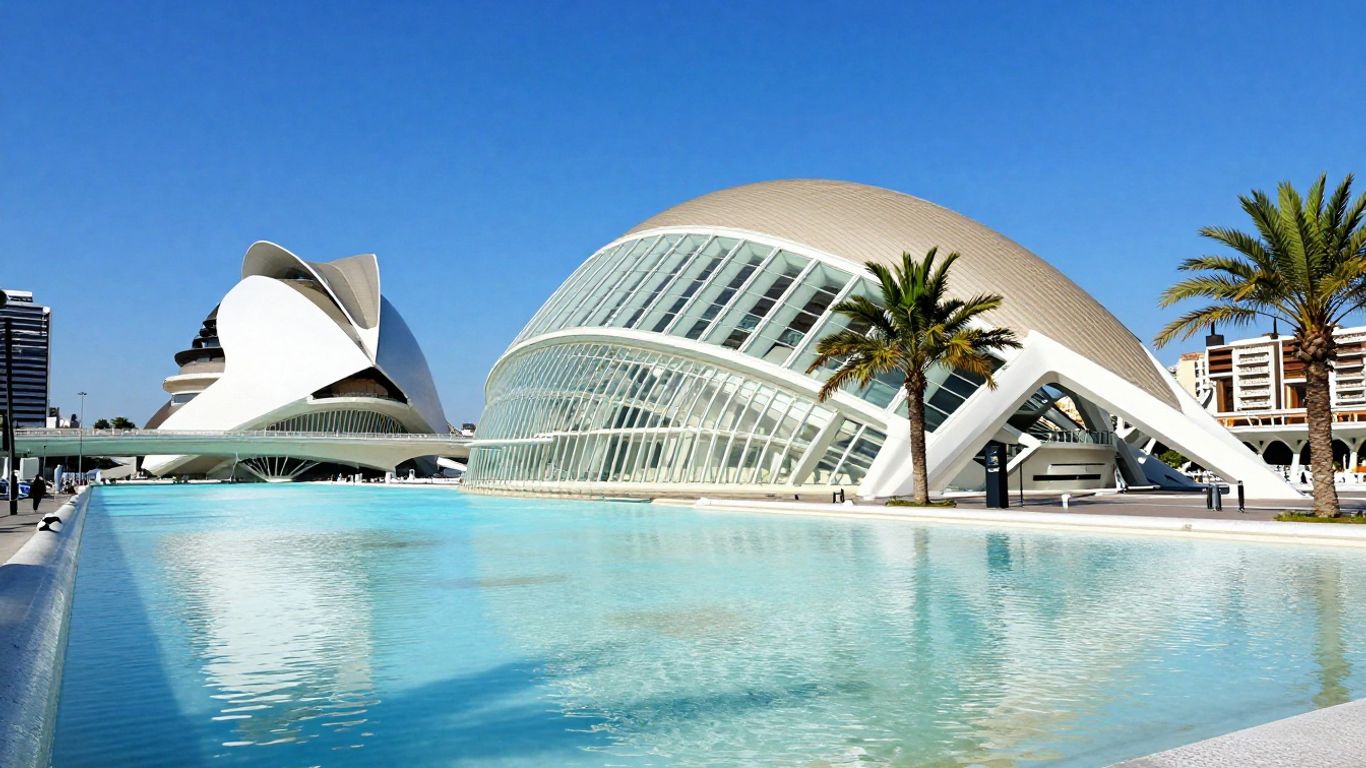
Beyond the food, Valencia has some seriously cool architecture. The City of Arts and Sciences is a standout – it looks like something from the future and has a science museum, an aquarium, and an opera house. It’s designed by Santiago Calatrava, who’s done some pretty famous stuff elsewhere too. You can also check out historical spots like La Lonja de la Seda, which is a UNESCO World Heritage site, and the Valencia Cathedral. If you climb up the Miguelete tower next to the cathedral, you get a fantastic view of the whole city.
Here are a few things you shouldn’t miss:
- The City of Arts and Sciences: A modern complex with museums and an aquarium.
- Paella Valenciana: Try the authentic dish where it all began.
- Turia Gardens: A huge park built in an old riverbed, perfect for walking or cycling.
- Valencia Cathedral & Miguelete Tower: Explore history and climb for views.
- La Lonja de la Seda: A stunning example of Gothic architecture.
If you’re visiting in March, you might catch Las Fallas. It’s a huge festival where they build these massive, elaborate sculptures and then set them on fire. It’s pretty wild, with lots of music and fireworks. It’s a really unique experience, but be prepared for noise!
Valencia offers a great mix of old and new. You can spend your mornings exploring historic buildings and your afternoons relaxing on the beach or cycling through the city’s green spaces. It’s a place that feels both energetic and laid-back at the same time.
6. Malaga
Malaga, a city that’s been around for ages, really surprised me. It’s right on the Costa del Sol, but unlike some of the more built-up spots, Malaga feels like it has a soul. You get these great beaches, but also a really interesting art scene and old buildings that tell stories. Plus, it’s got this lively, younger energy that’s pretty cool.
This city offers a fantastic blend of history, culture, and coastal relaxation.
When you visit, you can check out the old Moorish fortress, the Alcazaba, and the Gibralfaro Castle nearby for some amazing views. Art lovers should definitely hit up the Picasso Museum – it’s a must-see. And of course, there are the beaches, like Playa de la Malagueta, perfect for just chilling out. Don’t forget to wander through the old town; it’s packed with places to eat and grab a drink.
Here are a few things you might want to do:
- Explore the historic Alcazaba and Gibralfaro Castle.
- Visit the Picasso Museum.
- Relax on the golden sands of Playa de la Malagueta.
- Stroll along the Muelle Uno waterfront.
- Enjoy the panoramic views from Malaga Cathedral’s rooftop.
Malaga is a city that manages to feel both historic and modern at the same time. It’s got that sunny Andalusian vibe, but with a creative edge that sets it apart. You can spend your mornings exploring ancient ruins and your afternoons soaking up the sun on the beach, all within easy reach.
7. Costa Brava
If you’re looking for a break from the usual busy Spanish resorts, the Costa Brava is a real treat. This stretch of coastline in Catalonia is seriously picturesque, with rugged cliffs meeting the sea and little hidden coves perfect for a quiet dip. The water here is often a stunning turquoise, and there are plenty of charming little fishing villages dotted along the shore.
It’s a place that feels both laid-back and a bit sophisticated, with a real appreciation for art and nature. You can spend your days exploring the coastline, maybe hiking some of the Cami de Ronda paths that offer amazing views. Or, if you’re into art, a trip to Figueres to see the Dalí Theatre-Museum is a must – it’s as quirky and fascinating as you’d expect.
Here are a few things you might want to check out:
- Cadaqués: A beautiful white-washed village that has attracted artists for years. Salvador Dalí even had his house here in Portlligat.
- Tossa de Mar: Known for its medieval castle walls right on the beach.
- Girona: While not directly on the coast, its colorful houses reflected in the River Onyar are iconic and worth the short trip inland.
- Cap de Creus Natural Park: For dramatic coastal landscapes and hiking.
When to go? Summer is popular, but if you want to avoid the biggest crowds, May, June, September, and October are great times with pleasant weather.
The region offers a mix of natural beauty and cultural spots. You can find yourself exploring ancient ruins one day and relaxing on a quiet beach the next. It’s a good option if you want a bit of everything without the intense hustle of some larger cities.
8. Marbella
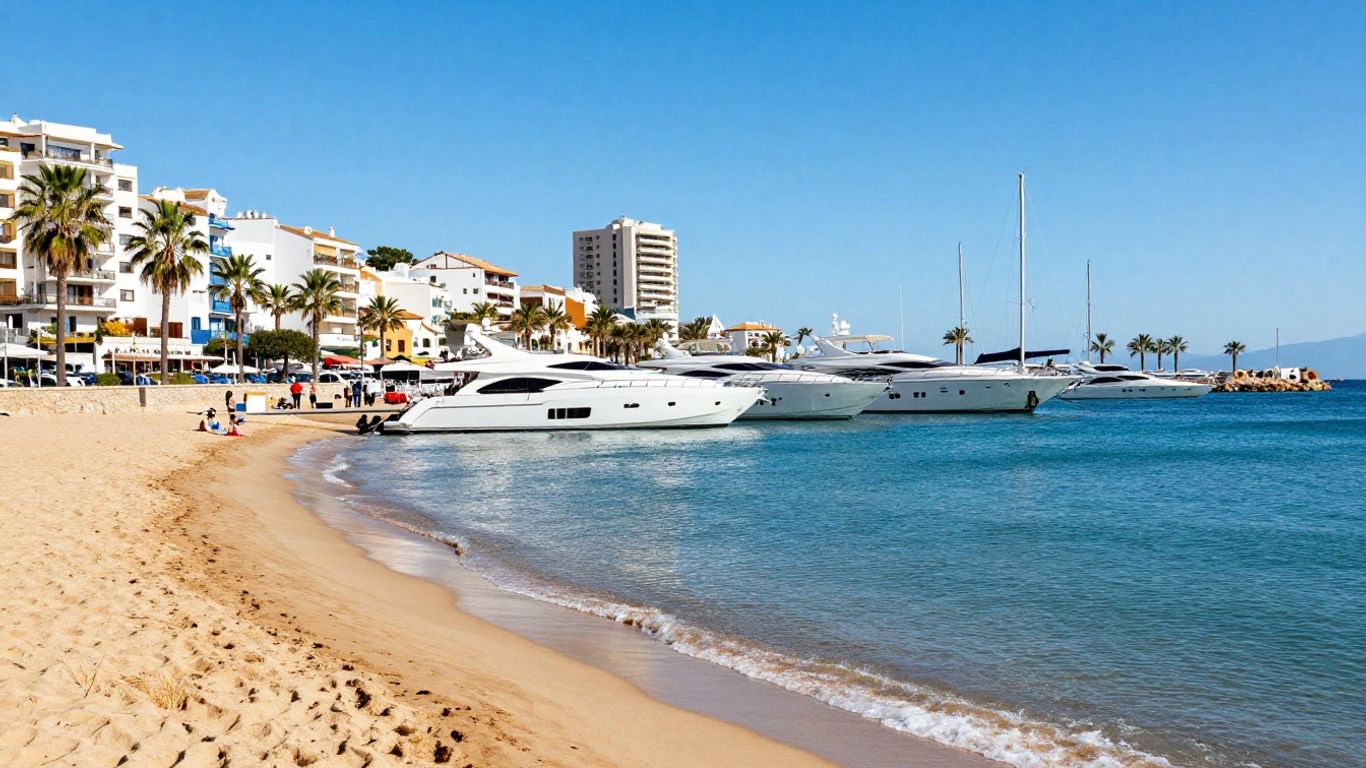
Marbella, nestled on the Costa del Sol, is a place that really knows how to blend a glamorous image with genuine charm. It’s not just about the fancy yachts in Puerto Banús, though that’s definitely a sight to see. The city has a surprisingly lovely Old Town, with narrow, winding streets that open up into plazas filled with orange trees and little cafes. It feels a world away from the more modern, glitzy parts.
The beaches here are a big draw, stretching out with golden sand and clear Mediterranean waters. Whether you’re looking to relax under the sun or try some water sports, there’s a stretch of coast for you. Beyond the sand, you can explore the Sierra Blanca mountains that rise behind the city, offering hiking trails with amazing views over the coastline. It’s a nice contrast to the beach life.
Here are a few things you might want to check out:
- Old Town Exploration: Get lost in the maze of streets, discover hidden courtyards, and enjoy a coffee in a sunny square.
- Puerto Banús: Even if you’re not buying, it’s fun to wander around and see the impressive collection of luxury boats and designer shops.
- Beaches: From the lively Playa de la Fontanilla to the more relaxed Playa de Cabopino with its sand dunes, there’s a beach for every mood.
- La Concha Mountain: For the active traveler, a hike up offers panoramic views of the coast and, on a clear day, you can even see Gibraltar.
Marbella manages to be both a high-end resort town and a place with a real sense of history. It’s this mix that makes it stand out on the southern coast. You can spend your morning exploring ancient churches and your afternoon sipping cocktails by the sea.
9. Ronda
Perched dramatically on a clifftop, Ronda is one of those Spanish towns that just takes your breath away. It’s famous for the Puente Nuevo, a massive stone bridge that spans a deep gorge, offering views that are pretty wild. Seriously, standing there looking down into the El Tajo gorge is an experience.
This place feels ancient, with a history that goes way back. You can wander through the old town, which has these narrow, winding streets that make you feel like you’ve stepped back in time. It’s got a real Andalusian vibe, with whitewashed buildings and flower-filled balconies.
What to see and do:
- Puente Nuevo: The iconic bridge is a must-see. Walk across it and take in the incredible views.
- Plaza de Toros: Visit one of Spain’s oldest bullrings. It’s got a lot of history and a unique design.
- Old Town (La Ciudad): Get lost in the charming streets, discover hidden plazas, and enjoy the atmosphere.
- Arab Baths: Explore these well-preserved Moorish baths for a glimpse into the past.
Ronda isn’t just about the bridge, though. The whole town has this unique character, a mix of history, stunning natural beauty, and a relaxed pace of life. It’s a place where you can really feel the soul of Andalusia.
It’s a bit of a journey to get there, often involving winding roads, but that just adds to its charm. It feels a little off the beaten path, which is part of its appeal. If you’re looking for a place with dramatic scenery and a deep sense of history, Ronda should definitely be on your list.
10. La Rioja Wine Region
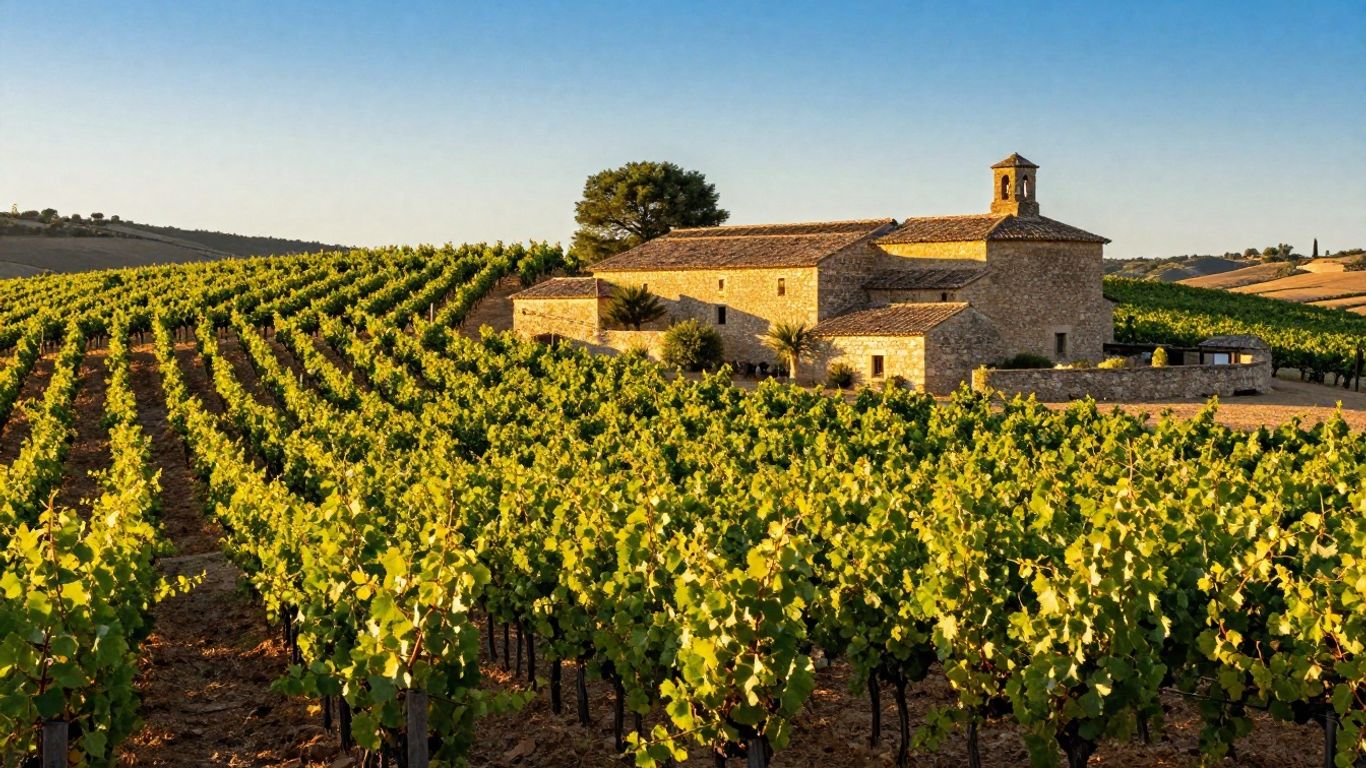
If you’re a wine lover, you absolutely have to put La Rioja on your list. This region in northern Spain is basically the country’s most famous wine-producing area, and for good reason. Think rolling hills covered in vineyards, charming villages, and, of course, incredible wine. It’s a place where you can really get away from the usual tourist hustle and bustle.
What makes La Rioja special is its dedication to winemaking. You’ll find over 500 wineries here, ranging from huge, modern operations to small, family-run bodegas that have been around for generations. Many of them welcome visitors, offering tours and tastings where you can learn all about how they make their famous Tempranillo and Garnacha grapes into something truly special.
Here’s a little taste of what you can expect:
- Vineyard hopping: Spend your days exploring different wineries. Some are grand estates, while others are tiny, intimate places. It’s a great way to see the variety.
- Tasting experiences: Most places offer wine tastings, often paired with local cheeses and cured meats. It’s a delicious way to learn about the different styles.
- Charming towns: Don’t forget to explore the towns like Logroño, Haro, and Laguardia. They have beautiful old architecture, great food, and a relaxed atmosphere.
- Local gastronomy: Beyond the wine, the food in La Rioja is fantastic. Think hearty stews, grilled meats, and fresh produce. It’s the perfect complement to the wine.
The best part about visiting La Rioja is that it still feels relatively undiscovered by mass tourism. You can often find yourself enjoying a quiet tasting or a scenic walk through the vines without feeling overwhelmed. It’s a chance to connect with the land and the people who have been making wine here for centuries.
When to go? Spring and fall are particularly beautiful, with the vineyards showing off their colors. But honestly, any time you can get there is a good time for a glass of Rioja.
Ready for Your Spanish Adventure?
So, Spain. It’s got a little bit of everything, right? From the wild coastlines of Costa Brava to the historic streets of Granada and the buzzing energy of Barcelona, there’s really a spot for everyone. Whether you’re chasing sun on the beach, exploring ancient buildings, or just want to eat your weight in tapas, Spain delivers. We’ve covered some amazing places, but honestly, this is just the start. Pick a spot, book that ticket, and go see for yourself. You won’t regret it.
Frequently Asked Questions
What are the best cities in Spain for art lovers?
Madrid is a top pick for art enthusiasts, boasting the famous ‘Golden Triangle of Art’ with the Prado, Reina Sofia, and Thyssen-Bornemisza museums. Barcelona also offers incredible art and architecture, especially the unique works of Antoni Gaudi.
Which Spanish destinations are best for beaches and relaxation?
For beautiful beaches, consider the Costa Brava with its charming seaside towns, or the sunny shores of Costa del Sol near Malaga and Marbella. Valencia also offers lovely sandy beaches alongside its historical sites.
Where can I find the most historical and cultural experiences in Spain?
Seville and Granada in the Andalusia region are rich with history, showcasing Moorish influences, stunning architecture like the Alhambra, and vibrant flamenco culture. Cities like Valencia and Barcelona also blend historical sites with modern attractions.