So, you’re thinking about Malta, huh? It’s a pretty popular spot, and for good reason. But like any place that draws a lot of people, there are times when it just feels packed. If you’re trying to figure out the worst time to visit Malta, it really comes down to what you can handle. Are you okay with sweating through your shirt just to see a cool old building, or do you prefer a bit more breathing room? Let’s break down when things can get a little overwhelming.
Key Takeaways
- Summer, especially July and August, is generally the worst time to visit Malta if you dislike intense heat and large crowds. High temperatures combined with packed streets and transport can make sightseeing feel like a chore.
- Peak season challenges include navigating crowded hotspots like Valletta and Sliema, dealing with longer waits for transport, and potentially feeling overwhelmed by the sheer number of people, especially on days when cruise ships dock.
- While summer offers lively festivals and predictable beach weather, the trade-offs are significant. For a more comfortable experience, consider visiting during the shoulder seasons (spring or autumn) when crowds are thinner and the weather is more pleasant for exploring.
Understanding Malta’s Peak Season Challenges
The Impact of Summer Heat and Crowds
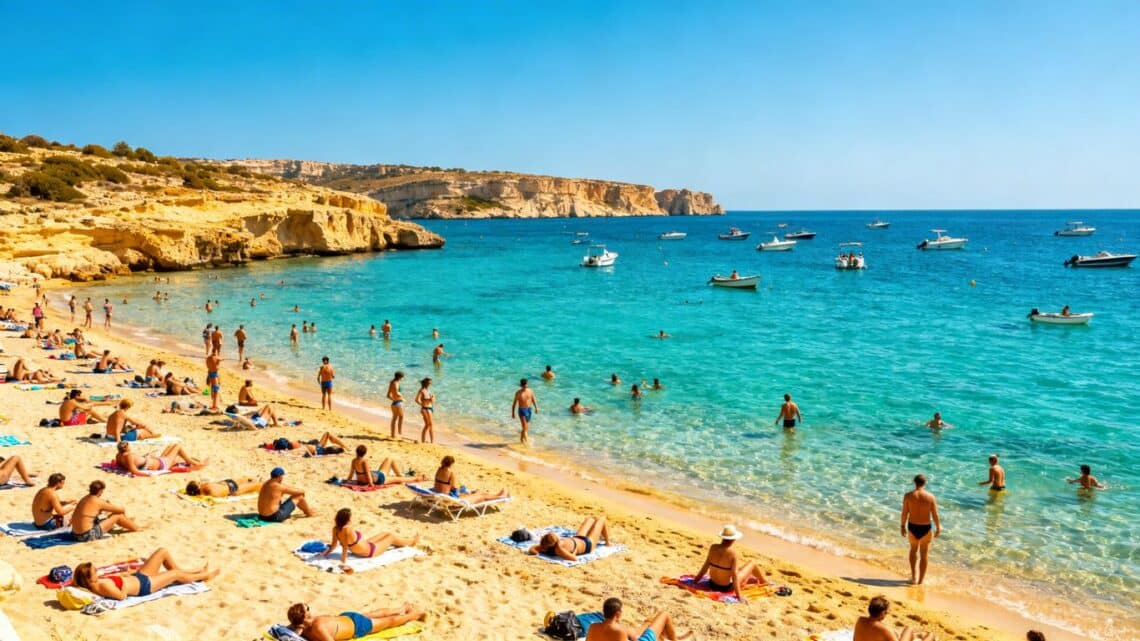
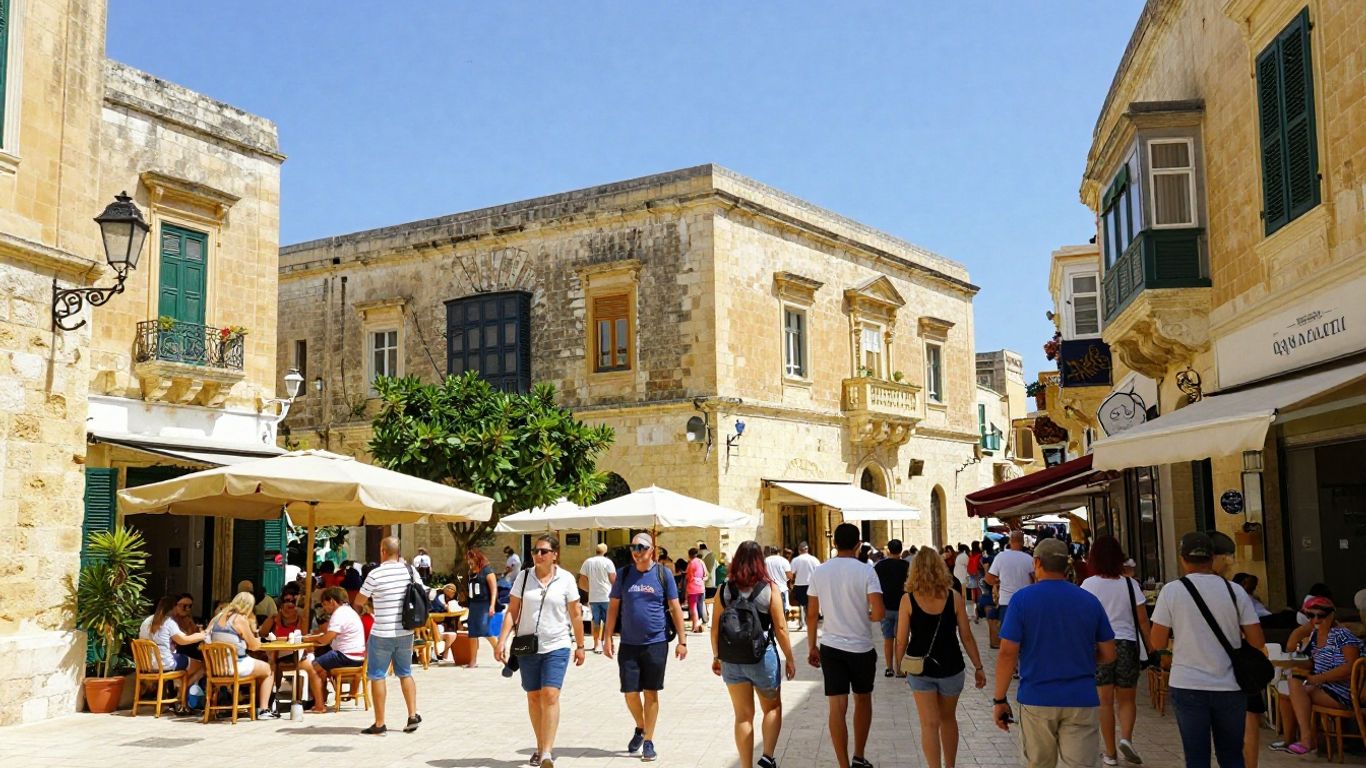
Malta in July and August is something else. We’re talking serious heat, the kind that makes walking around Valletta feel like a real workout, especially midday. The streets are packed, and finding a quiet spot can be tough. It’s definitely the time when the island feels most intense. The sun really beats down, reflecting off all that stone, and if you’re not a fan of sweating buckets, you might want to rethink visiting during these months.
Here’s a quick look at what the weather and crowds are typically like:
| Month | Daytime Temp (°C) | Crowd Level | Notes |
|---|---|---|---|
| June | 22–28 | Busy | Strong midday sun, resorts fill up |
| July | 24–31 | Peak | Intense heat, very dense in popular spots |
| August | 25–31 | Peak | Packed beaches, lively evenings |
The combination of high temperatures and a large number of visitors means you’ll need to plan your days carefully. Think early mornings for sightseeing and perhaps relaxing indoors during the hottest part of the afternoon. Staying hydrated is also super important.
Navigating Congested Hotspots and Transport
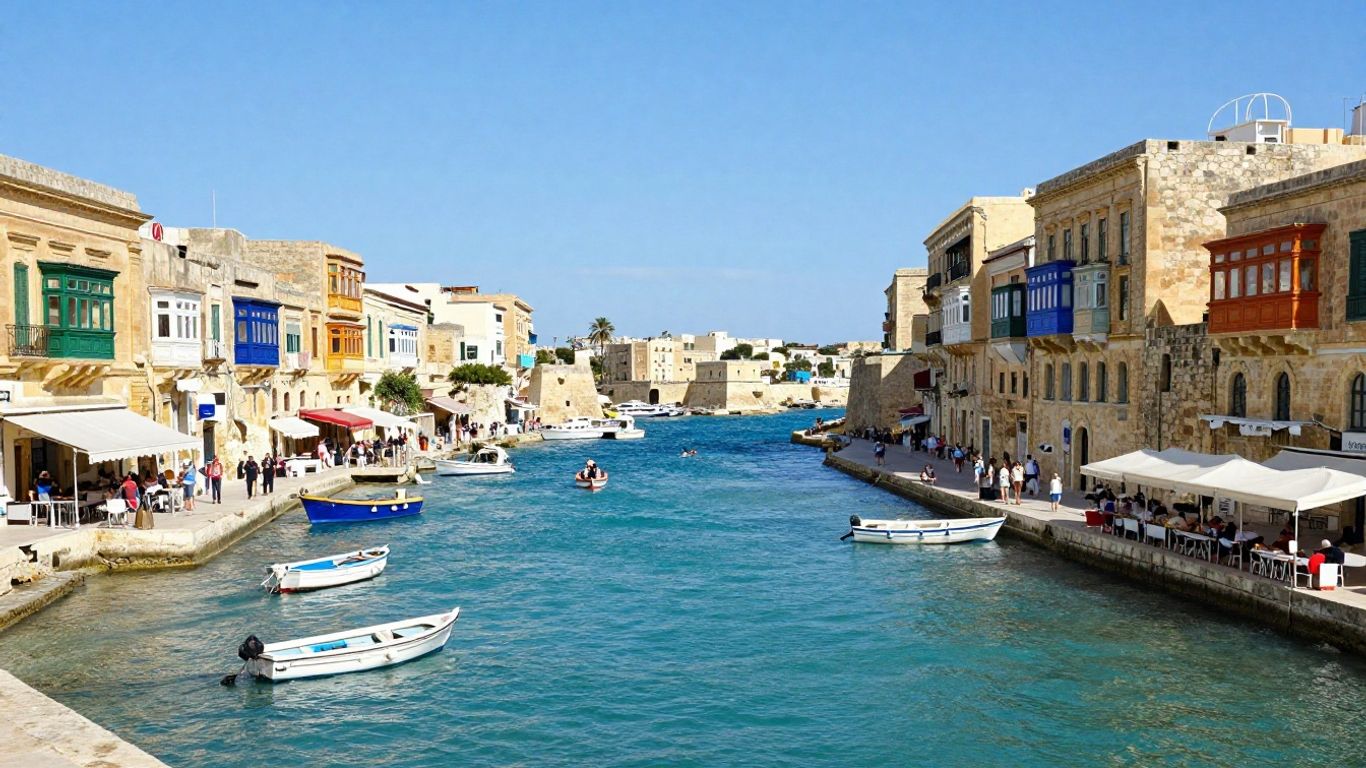
When the summer crowds hit, getting around Malta can feel like a bit of a mission. Popular spots like Valletta, Sliema, and St. Julian’s get really busy. Even the beaches and bays are packed. And don’t even get me started on transport. Buses can be standing room only, and trying to catch a ferry or a boat trip often means waiting in line, sometimes under that strong sun. It’s not just about the queues, though; journey times can stretch out because you’re dealing with the general hustle and bustle, plus waiting for everyone to get on and off.
- Valletta: Expect queues for attractions and crowded streets, especially around the main squares.
- Sliema/St. Julian’s: The waterfront promenades are lively but can feel very full, particularly in the evenings.
- Beaches and Bays: Popular swimming spots fill up quickly, so arriving early is key.
- Public Transport: Buses can be a challenge during peak hours; consider alternative times or modes of transport if possible.
- Ferry Services: Waiting times can increase, especially for routes to Gozo or Comino.
Cruise ship days can also add another layer of congestion, particularly in Valletta. It’s like the island shrinks a bit when all those extra people are around, and everything feels a little tighter. You might find yourself spending more time waiting than actually doing things if you’re not prepared.
When Malta Feels Overwhelmed
The Trade-Offs of Summer Festivities
Malta really comes alive in the summer with its famous festas. These local village festivals are a blast, with music, food, and fireworks lighting up the night sky. It’s a fantastic way to experience the island’s culture. But, let’s be real, these celebrations can make things a bit chaotic. Getting a taxi after a festa can be a real challenge, and booking a table at a popular restaurant might feel like a competitive sport. If you’re all about soaking up the festive vibe, summer is definitely the time to be there. Just be prepared for things to move at a different pace. You might want to plan your days a bit lighter and let the evenings be the main event. It’s a trade-off, for sure.
Cruise Ship Days and Their Effect on Experience
Malta is a popular stop for cruise ships, and when one or two dock, the island can feel significantly more crowded, especially in key spots like Valletta. You might notice a big difference between a quiet morning exploring historic streets and a midday rush of people disembarking. This can really change the feel of a place, sometimes making it hard to appreciate the history or find a quiet corner. It’s not just about the sheer number of people, but how quickly the atmosphere can shift.
Here’s a rough idea of how cruise ship arrivals can impact popular areas:
| Day of Week | Number of Ships | Potential Impact |
|---|---|---|
| Monday | 1-2 | Moderate increase in crowds |
| Wednesday | 3-4 | Significant increase, especially midday |
| Friday | 2-3 | Noticeable crowds, can affect transport |
Planning around these days can make a big difference in how relaxed your visit feels. It’s worth checking the cruise ship schedule before you go, especially if you prefer a more laid-back experience. Sometimes, just shifting your visit to a popular site by a day or two can mean a world of difference.
So, When’s the Best Time to Go?
Ultimately, Malta is a place that really changes depending on when you show up. It’s not just about the weather, though that’s a big part of it. Think about what you really want from your trip. If you’re all about soaking up the sun on the beach and enjoying late nights with lots of events, then summer might still be your jam, but be ready for the heat and the crowds. For most people, though, hitting Malta in the spring or early fall seems to hit that sweet spot. You get pleasant weather for exploring without feeling like you’re constantly battling the sun or packed shoulder-to-shoulder with everyone else. It’s about finding that time when Malta feels right for you, not just what looks good on a postcard. Plan smart, and you’ll have a fantastic time no matter what.
Frequently Asked Questions
When is Malta the most crowded and hot?
July and August are typically the hottest and busiest months. The sun can be intense, and popular spots like Valletta and Sliema get packed. If you don’t enjoy extreme heat or large groups, it’s best to avoid these months. Even short walks in the afternoon can feel tiring due to the heat and crowded streets.
Are there times when Malta feels less overwhelming?
Yes, the spring (April to June) and early autumn (September to October) offer a much more relaxed experience. The weather is still pleasant for exploring and swimming, but there are fewer people. This means shorter lines at attractions, easier transport, and a generally calmer atmosphere.
Can festivals make Malta too crowded?
Festivals can definitely add to the crowds and sometimes make transport a bit tricky, especially during summer village celebrations (festas). While they add a lot of energy and fun, they can also mean higher prices for places to stay and more people trying to get around. If you plan to visit during a festival, it’s a good idea to book ahead and be prepared for busy areas.