
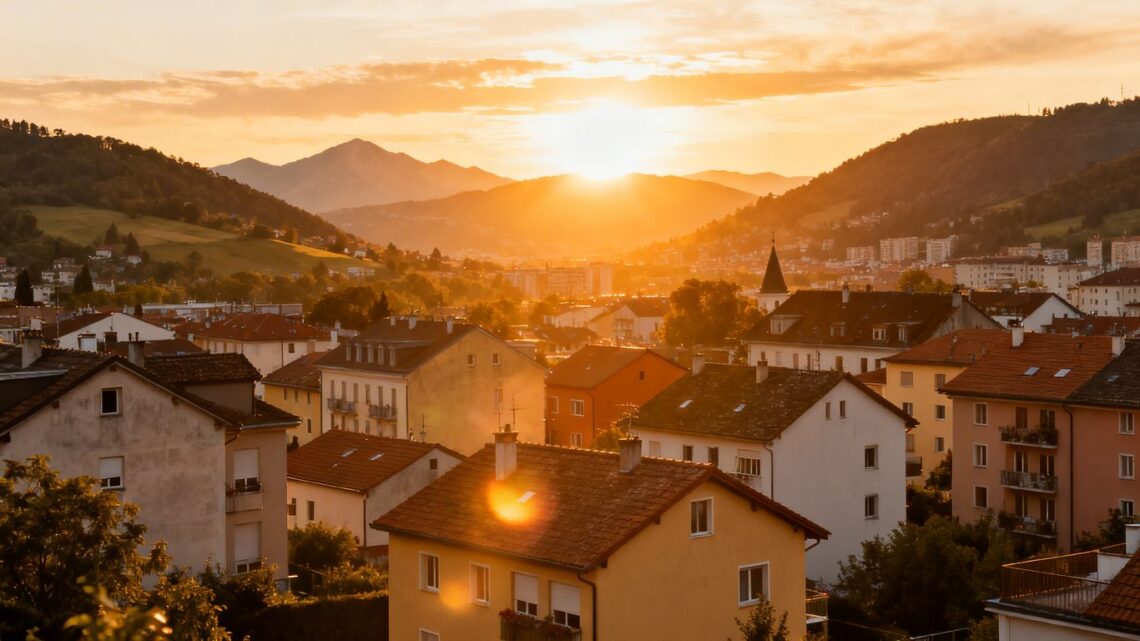
Thinking about a European adventure without emptying your wallet? It’s totally doable. Europe has some seriously affordable spots that offer a great quality of life for way less than you might expect. We’re talking about places where your money goes further, letting you enjoy culture, food, and new experiences without the hefty price tag. If you’re looking for the top 10 cheapest countries to live in Europe for 2026, you’ve come to the right place. Let’s explore some budget-friendly European dreams.
Key Takeaways
- Many European countries offer a comfortable lifestyle for under €1,000 per month, especially in Eastern and Southern Europe.
- Cost of living is generally lower where average wages are lower, but factors like taxes and tourism also play a role.
- While prices have risen globally due to inflation, these countries remain relative bargains for those earning in stronger currencies like USD, EUR, or GBP.
1. Albania
Tucked away on the Adriatic coast, Albania is a real gem for anyone looking to stretch their budget without sacrificing scenery. Think stunning beaches that give Greece a run for its money, but with prices that are significantly lower. It’s the kind of place where you can actually afford to live comfortably, not just visit.
When it comes to daily expenses, Albania is remarkably affordable. You can expect to spend around €250 a month for a one-bedroom apartment in the capital, Tirana, and even less if you venture outside the main city. Groceries for one person typically fall between €120 and €160 monthly. Eating out is also a treat for the wallet; a meal at a local spot might only cost €4-€6, and even a mid-range restaurant won’t break the bank, usually coming in around €8-€12.
Here’s a rough breakdown of monthly costs for a single person:
- Accommodation: €250
- Groceries: €140
- Dining Out: €80
- Entertainment: €35
- Internet: €15
- Phone Plan: €6
- Transportation: €10
- Total Estimated Monthly Cost: €536
The average net monthly income in Albania hovers around €300-€400, which means living here is quite feasible on a local salary, and even more so if you’re earning in a stronger currency. It’s a country that offers a lot of bang for your buck, from its beautiful landscapes to its welcoming culture.
Albania feels like a well-kept secret, offering a taste of Mediterranean life at a fraction of the cost you might expect. It’s a place where your money goes further, allowing for a more relaxed lifestyle.
Some of the best cities to consider settling down in include the vibrant capital, Tirana, the coastal city of Durrës, the charming Vlorë, and the historic town of Berat.
2. Bosnia And Herzegovina
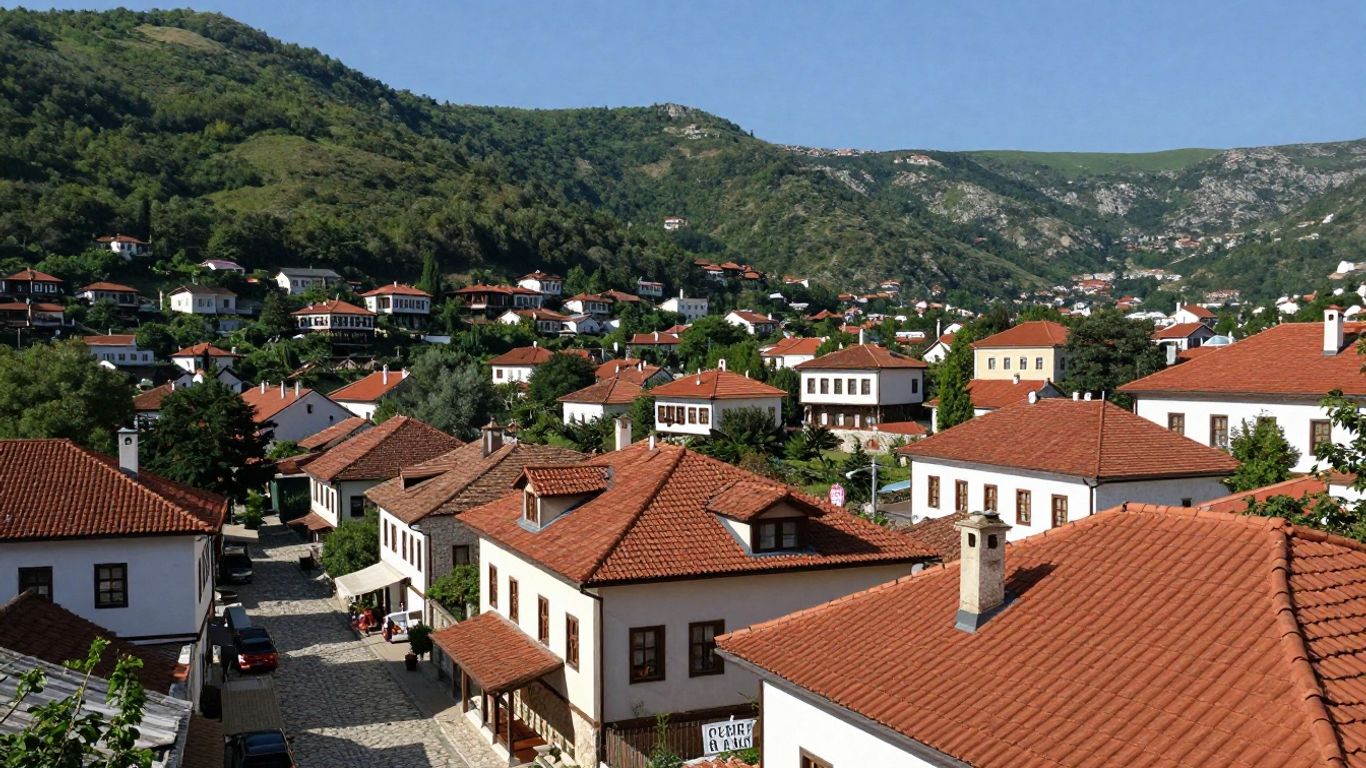
Bosnia and Herzegovina often flies under the radar, but it’s a real gem if you’re looking to stretch your budget. Seriously, compared to its neighbors, you get so much more bang for your buck here. From grabbing a quick bite to finding a place to stay, things are just plain cheaper.
It’s a place where your money goes further, making it a top pick for budget-conscious travelers and folks looking to relocate.
Think about it: a monthly rental in Sarajevo can be found for well under $1,000, sometimes even closer to $500 if you hunt around a bit. That’s a huge difference compared to many other European cities.
Here’s a rough idea of what you might spend monthly, keeping in mind these are estimates and can change:
| Category | Estimated Monthly Cost (USD) |
|---|---|
| Rent (1-bed apt) | $500 – $900 |
| Groceries | $150 – $200 |
| Dining Out | $100 – $150 |
| Transportation | $30 – $50 |
| Utilities | $70 – $100 |
| Total | $850 – $1400 |
Beyond the numbers, Bosnia offers a lot. You’ve got stunning natural landscapes, from rivers to mountains, and cities rich with history and culture. Sarajevo, the capital, is a fascinating mix of old and new, with a really welcoming vibe. Plus, it’s super easy to hop over to places like Montenegro or Serbia if you feel like exploring more.
The affordability doesn’t mean you’re sacrificing experiences. You can explore historical sites, enjoy local cuisine, and soak in the culture without breaking the bank. It’s a country that rewards curiosity with genuine experiences and incredible value.
3. Bulgaria
Bulgaria has been a popular spot for budget-conscious travelers and residents for a while now, and it’s easy to see why. It offers a really good mix of affordability and interesting culture, plus some pretty nice nature.
The cost of living here is quite low compared to many other European countries. Even with recent changes, like adopting the Euro in early 2026, it remains a place where your money can stretch further.
Here’s a general idea of monthly expenses for one person:
- Accommodation: Around €300-€400 for a decent apartment in most cities.
- Groceries: Budget about €150-€170 per month.
- Eating Out: A meal at a local restaurant might cost €8-€10, so maybe €80-€100 for a few meals out.
- Utilities & Internet: Expect around €50-€70 for electricity, water, heating, and internet.
- Transportation: A monthly public transport pass is usually between €18-€25.
So, you’re looking at a total monthly cost that could hover around €600-€750, depending on your lifestyle. This is pretty manageable, especially when you consider the average net salary is somewhere in the €550-€700 range.
Cities like Sofia, Plovdiv, and Varna are popular choices, offering a good balance of amenities and lower costs. Even smaller towns can be very affordable if you’re looking for a quieter pace of life.
While Bulgaria joined the Schengen Area, making it easier for Europeans to move there, they did introduce a digital nomad visa in late 2025. This could make it more accessible for remote workers looking for a long-term stay. It’s definitely a country worth looking into if you want to live in Europe without breaking the bank.
4. Romania
Romania is a real gem if you’re looking to stretch your budget while still enjoying a good quality of life. It’s got this mix of old-world charm and modern development that’s pretty appealing. Plus, the internet speeds here are seriously fast, which is a big plus for anyone working remotely.
When it comes to costs, Romania is definitely on the lower end. You can expect to spend around €700 a month for a pretty comfortable lifestyle, though this can vary depending on where you choose to settle. Bucharest, the capital, will naturally be a bit more expensive than smaller cities, but even there, you’re looking at reasonable prices.
Here’s a rough breakdown of monthly expenses for one person:
- Accommodation: €300-€400 (for a one-bedroom in the city center)
- Groceries: €150-€200
- Eating Out: €100 (mix of local eateries and mid-range spots)
- Entertainment: €50
- Utilities (Internet/Phone): Around €20
- Transportation: €10-€15 (monthly pass)
The average net salary hovers around €600-€700, meaning you can live quite well here on a local income, or very comfortably as an expat.
Some of the best cities to consider are:
- Bucharest: The bustling capital with lots of opportunities.
- Cluj-Napoca: A vibrant university city with a strong IT sector.
- Timișoara: Known for its beautiful architecture and cultural scene.
- Iași: A historic city with a lively atmosphere.
One thing to note is that Romania joined the Schengen Area in 2024. For EU residents, this doesn’t change much if you plan to stay long-term and get residency. For non-EU citizens, it means the standard 90-day limit applies if you’re just visiting, so keep that in mind if you were planning on using it as a place to ‘wait out’ your time in the zone.
5. Montenegro
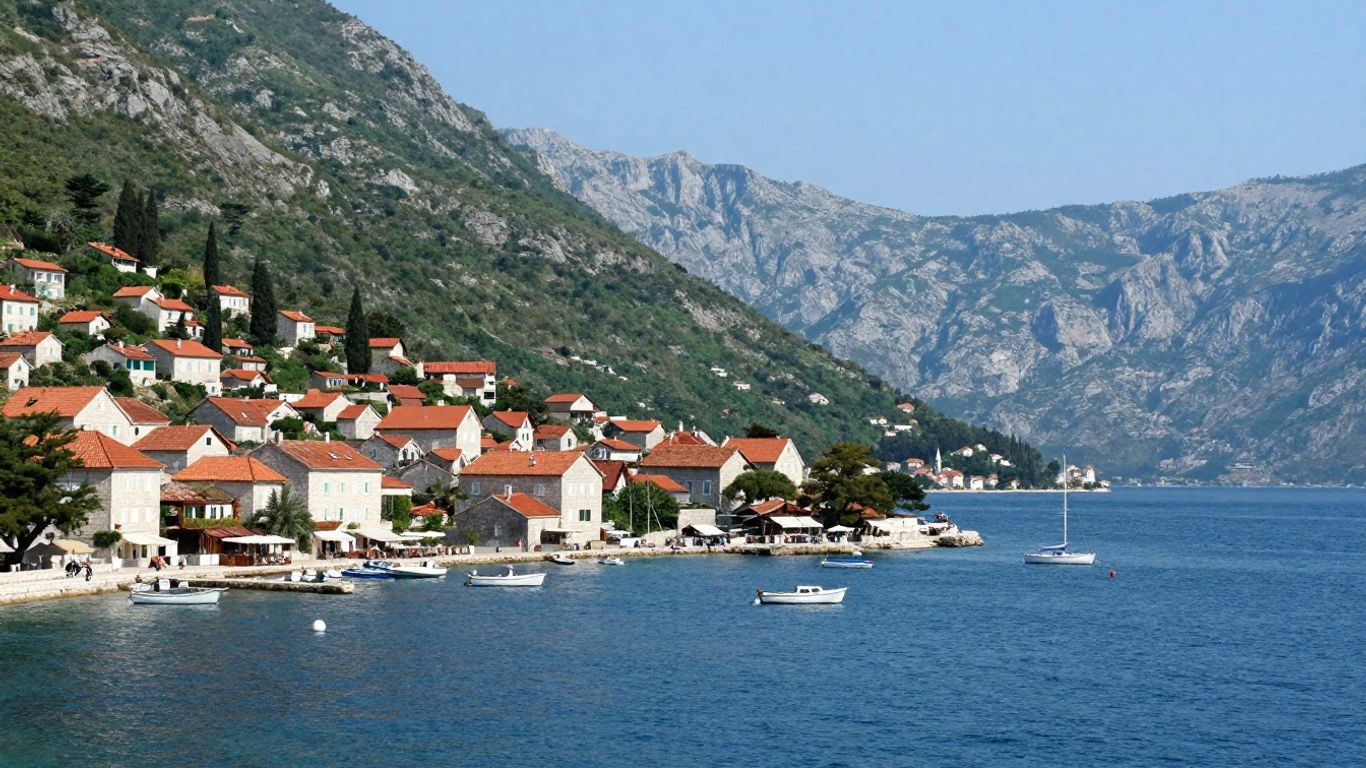
Montenegro, a small country with a big personality, often flies under the radar when people talk about affordable European living. But honestly, it’s a gem. You get stunning coastlines along the Adriatic Sea and dramatic mountains, all without breaking the bank. It’s the kind of place where you can grab a coffee by the water or hike in the hills without feeling like you’re spending a fortune.
The cost of living here is significantly lower than in many Western European countries, making it a really attractive option for budget-conscious travelers and those looking to relocate. Even in popular coastal towns like Herceg Novi, you can find a one-bedroom apartment for rent for around €700 a month, which is pretty reasonable considering the views you’ll likely have. Food is also quite affordable, especially if you stick to local markets and smaller eateries.
Here’s a rough idea of what you might spend monthly:
- Accommodation: €500 – €750 (for a one-bedroom apartment, depending on location)
- Groceries: €150 – €200
- Eating Out: €80 – €120 (if you dine out a few times a week)
- Transportation: €30 – €50 (for public transport or occasional taxis)
- Utilities & Internet: €100 – €150
It’s not just about the money, though. Montenegro offers a relaxed pace of life. You can explore ancient towns, enjoy fresh seafood, and take advantage of the natural beauty. Plus, there’s a growing community of expats, so you won’t feel completely out of place.
While Montenegro isn’t part of the EU, it uses the Euro, which can simplify things for some. The country is working on improving its infrastructure, and while it might not have the same level of development as some of its neighbors, it offers a unique charm and a genuine sense of discovery for those willing to look beyond the usual tourist spots.
6. Georgia
Georgia is a country that often surprises people with its affordability and unique charm. Nestled at the crossroads of Eastern Europe and Western Asia, it offers a rich history, stunning landscapes, and a surprisingly low cost of living. You can find a good quality of life here without breaking the bank.
When I visited last year, I was really impressed. We spent time skiing and then hung out in Tbilisi, and the value for money was just fantastic. Think about this: lift tickets at a decent ski resort were less than $30 a day, and a pint of craft beer slopeside? Only about $2.50. And the wine! Georgia is considered one of the oldest wine regions in the world, and you can get some really good bottles for a great price.
For rentals, especially in the capital, Tbilisi, prices have settled down. You’re looking at maybe $500 to $1,200 a month for an apartment, depending on the size and where it is. That’s pretty reasonable when you compare it to other European capitals.
Here’s a rough idea of what you might spend monthly in Georgia:
| Category | Estimated Cost (USD) | Notes |
|---|---|---|
| Rent (1-bed apt) | $500 – $1200 | Varies by city and location |
| Groceries | $200 – $300 | For one person |
| Utilities | $50 – $100 | Electricity, water, internet, gas |
| Transportation | $30 – $50 | Public transport, occasional taxi |
| Dining Out | $150 – $250 | Mix of casual and mid-range |
| Entertainment | $50 – $100 | Activities, drinks, etc. |
While Georgia is geographically east of Turkey, making flights from Europe potentially long and costly unless you find a budget airline deal, the experience on the ground is incredibly rewarding. The culture is distinct, the food is hearty, and the people are generally welcoming. It’s a place where you can really feel like you’re getting an authentic experience without the hefty price tag often associated with European travel or living.
Keep in mind that while Georgians see themselves as European, the country’s location means it’s a bit further out. So, if you’re planning to fly in from across the Atlantic, expect longer travel times and potentially higher airfare unless you’re coming from Europe on a budget carrier. Still, for the overall cost of living and the unique cultural immersion, Georgia is a strong contender for anyone looking for an affordable European adventure.
7. Serbia
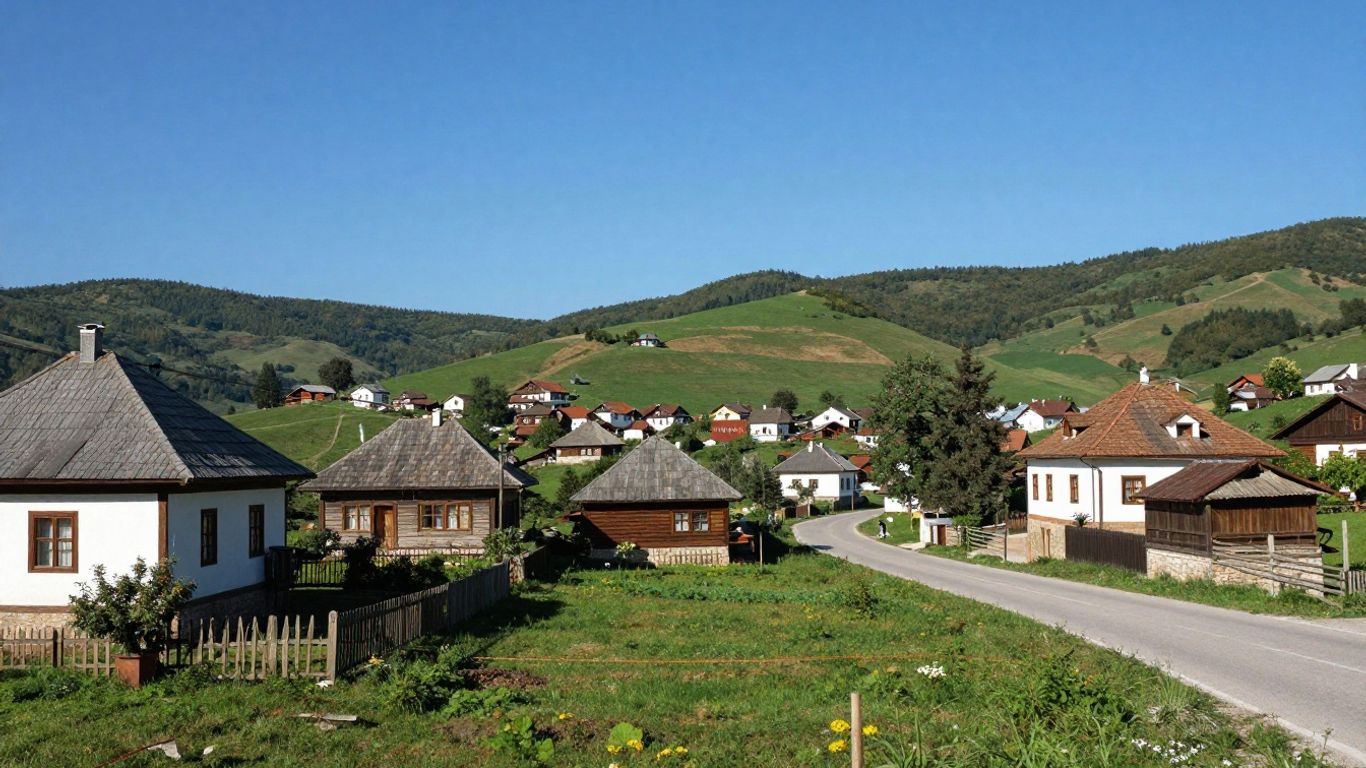
Serbia is a real gem if you’re looking to stretch your budget while still enjoying a lively European experience. Think vibrant cities like Belgrade and Novi Sad, but with prices that feel like a throwback. It’s a place where your money can go a lot further, especially when it comes to daily living costs.
The average net salary hovers around €500–€650 per month, which might seem low, but when you look at the cost of living, it makes sense.
Here’s a rough breakdown of monthly expenses for one person:
- Accommodation: A one-bedroom apartment in a central area can be found for about €300–€400.
- Groceries: Budget around €120–€160 for your monthly food shopping.
- Dining Out: Eating at local restaurants is quite affordable, with meals often costing between €4–€8.
- Entertainment: For nights out, cinema trips, and other fun activities, set aside €30–€50.
- Internet: High-speed internet is usually around €10–€15.
- Mobile Plan: You can get a mobile plan for about €5–€8.
- Public Transport: A monthly pass for public transport typically costs €15–€20.
So, if you add it all up, a comfortable monthly budget could be around €636, not including personal shopping or travel.
When considering Serbia, remember that while the salaries might be lower than in Western Europe, the cost of goods and services is also significantly reduced. This balance makes it an attractive option for those prioritizing affordability without sacrificing access to urban amenities and culture. Plus, using the Serbian Dinar means you can sometimes benefit from favorable exchange rates.
It’s a country that offers a lot of bang for your buck, from its rich history to its friendly people. You get a genuine European feel without the hefty price tag often associated with the continent.
8. Hungary
Hungary is a pretty interesting place if you’re looking to stretch your euros. It’s got that classic European charm, especially in its cities, but without the hefty price tag you’d find further west. Lots of folks, like students and people working remotely, seem to really like it here, and it’s easy to see why.
Budapest, the capital, is a big draw, offering a lively city experience that’s still quite affordable. You can find a decent one-bedroom place in the center for around €400 to €550 a month. Groceries usually run about €150 to €200 for the month, which isn’t bad at all. Eating out is also reasonable; a casual meal might set you back about €5, and a nicer dinner is closer to €12-€18.
Here’s a rough breakdown of monthly costs for one person:
- Accommodation: €500
- Groceries: €170
- Restaurants/Dining Out: €90
- Entertainment (Cinema, etc.): €50
- Internet: €15
- Mobile Phone Plan: €8
- Public Transportation: €28
Total Estimated Monthly Cost: ~€861
The average net salary in Hungary hovers around €850 to €1,100 per month. This means that while living costs are low, you might find yourself living quite comfortably on that budget, especially if you’re earning more from outside the country or have savings.
Beyond Budapest, cities like Debrecen, Szeged, and Pécs also offer good living conditions at potentially even lower costs. Public transport is pretty good in the main cities, and a monthly pass will only cost you about €25-€30. It feels like a solid option for anyone wanting a taste of Central Europe without emptying their wallet.
9. North Macedonia
North Macedonia is a real gem if you’re looking for affordability mixed with some pretty stunning natural beauty. It’s not as talked about as some of its neighbors, but that’s part of its charm, honestly. You get a lot of bang for your buck here, which is why it’s making our list.
Think about it: you can find a decent place to live without emptying your wallet. For example, monthly rent for a one-bedroom apartment in the capital, Skopje, can hover around the $400-$600 mark, depending on where exactly you are and how fancy you want it. Utilities are also pretty reasonable, usually coming in under $150 a month for everything.
Here’s a rough idea of what you might spend monthly as a single person:
- Rent (1-bedroom apartment): $400 – $600
- Utilities (electricity, water, internet): $100 – $150
- Groceries: $200 – $300
- Transportation (public transport pass): $30 – $50
- Eating out/Entertainment: $150 – $250
Overall, you could comfortably live here on about $900 to $1,350 per month. That’s pretty sweet when you compare it to Western Europe, right?
Beyond the cost, there’s a lot to like. The country has some incredible mountains, lakes like Ohrid (which is a UNESCO World Heritage site, by the way), and a rich history. Plus, the food is good and the people are generally welcoming. It’s a place where you can really get a feel for local life without feeling like you’re constantly being priced out.
It’s worth noting that while Skopje is the main hub, exploring smaller towns can bring costs down even further, though amenities might be more limited. The infrastructure is developing, and while internet speeds are generally good in the cities, it’s always a good idea to check specific areas if reliable high-speed internet is a must-have for your work.
10. Portugal
While Portugal might be a bit more expensive than some of the other spots on our list, it’s still a fantastic option for affordable living in Europe, especially if you venture beyond the bustling capital of Lisbon. You get that lovely warm weather and a generally laid-back lifestyle without completely emptying your wallet. It’s a place where you can enjoy a good quality of life without a huge price tag.
Think about settling in cities like Porto or Coimbra. You can find a decent one-bedroom apartment for around €400 to €600 a month. Groceries for one person usually come in at about €180 to €220 monthly. Eating out is also pretty reasonable; a casual meal might cost you €6 to €10, and if you fancy something a bit nicer, expect to pay around €15 to €25. For entertainment, like movies or a few drinks, budgeting €50 to €80 a month should cover it. Plus, internet and a phone plan are quite affordable, typically €25-€30 and €10-€15 respectively. Public transport in the bigger cities will set you back about €30-€40 a month.
Here’s a rough breakdown of monthly expenses for a single person:
- Accommodation: €500
- Groceries: €200
- Restaurants/Eating Out: €100
- Entertainment: €60
- Internet: €27
- Phone Plan: €12
- Public Transport: €35
- Total Estimated Monthly Cost: ~€934
It’s worth noting that the average net salary in Portugal hovers around €900 to €1,100 per month. So, while it’s doable, you’ll want to keep a close eye on your spending, especially if you’re not earning a local salary.
Portugal is a great choice for digital nomads, offering good internet infrastructure and a welcoming atmosphere for remote workers. The visa options are also quite favorable for those looking to set up shop long-term.
Cities like Porto, Braga, and Coimbra offer a slightly lower cost of living compared to Lisbon, while still providing plenty of culture, history, and beautiful scenery. It’s a country that really does offer a lot for its price point.
Your European Adventure Awaits
So, there you have it. Europe doesn’t have to be an expensive dream. Whether you’re drawn to the sunny coasts of Albania, the rolling hills of Romania, or the rich history of Serbia, living well on a budget is totally possible. For anyone looking to retire, work remotely, or just start fresh, these countries offer a fantastic mix of affordability, beauty, and welcoming communities. Each spot has its own unique charm, so pick the one that calls to you based on your interests and what you’re looking for. With a little planning, that European lifestyle you’ve been imagining is closer than you think.
Frequently Asked Questions
What’s the most budget-friendly country in Europe for 2026?
Albania is currently the cheapest, with monthly living costs often staying below €550. It’s a great spot if you’re watching your wallet.
Can I live well in Europe with about €1,000 each month?
Absolutely! With €1,000 a month, you can live quite comfortably in many of these countries, especially in places like Bulgaria, Romania, Serbia, and Albania. You’ll have enough for rent, food, and some fun.
Which of these countries are good for remote workers?
Portugal and Hungary are excellent choices for digital nomads. They have good internet, places to work together, and even special visas for people who work online.