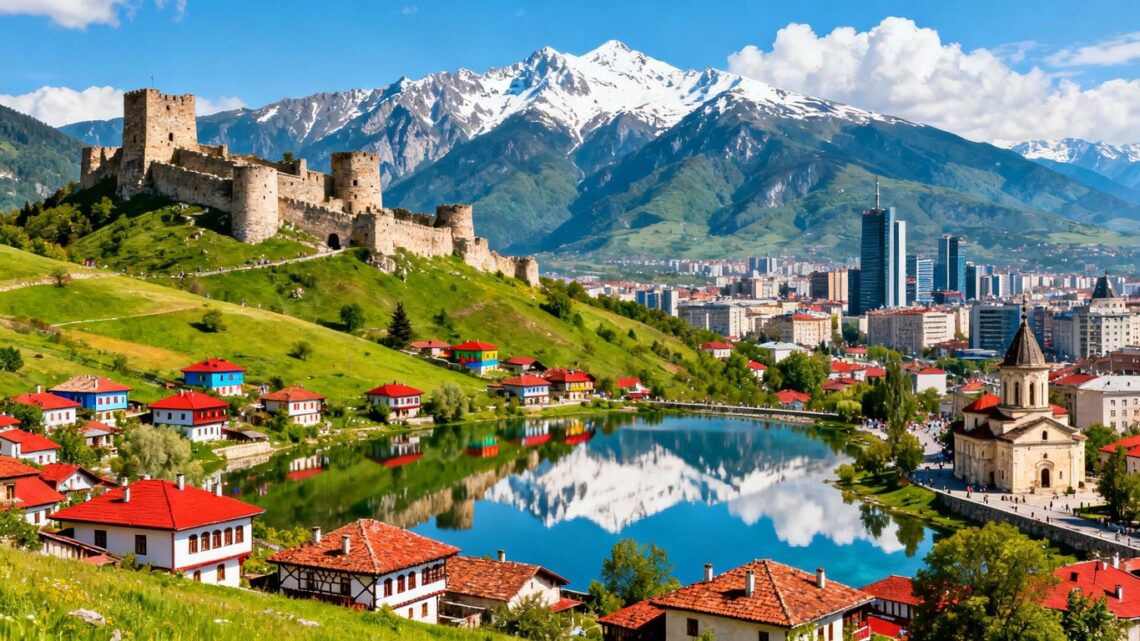
Bulgaria, a country often flying under the radar in Europe, is actually packed with amazing spots. Seriously, if you’re looking for a trip that’s got a bit of everything – history, nature, cool towns – you’ve gotta check it out. We’ve put together a list of some of the best places to visit in Bulgaria that you won’t want to miss. Get ready to plan an awesome adventure!
Key Takeaways
- Bulgaria offers a diverse range of attractions, from ancient cities and monasteries to stunning mountain landscapes and Black Sea coastlines.
- The country is rich in history, with sites like Plovdiv and Veliko Tarnovo showcasing its medieval and ancient past.
- For nature lovers and adventure seekers, the Rila Mountains, Bansko, and Pamporovo provide opportunities for hiking, skiing, and enjoying scenic beauty.
1. Sofia – The Capital of Bulgaria
Your Bulgarian adventure kicks off in Sofia, the nation’s vibrant capital. This city is a real mix of old and new, with ancient ruins peeking out next to modern buildings. You can spend days just wandering around, soaking it all in.
The sheer density of historical sites packed into the city center is pretty amazing. You’ve got everything from Roman ruins to grand Orthodox cathedrals. It’s the kind of place where you turn a corner and stumble upon something significant, like the ancient Serdika complex right in the middle of the city, or the impressive Alexander Nevsky Cathedral that just dominates the skyline.
Here are a few things you absolutely shouldn’t miss:
- Alexander Nevsky Cathedral: Seriously, this place is huge and stunning. It’s a symbol of Bulgarian Orthodoxy and just a marvel of architecture.
- Saint Sofia Church: Older than the cathedral, this church has seen centuries of history and gives the city its name.
- Roman Serdika Complex: You can literally walk through ancient Roman streets and buildings right in the heart of modern Sofia.
- Vitosha Mountain: If you want a break from the city buzz, hop on a chairlift or hike up Vitosha for some great views and fresh air. It’s perfect for a quick escape, whether there’s snow for skiing or just trails for walking.
Sofia is also a fantastic jumping-off point for day trips. Places like the Rila Monastery and the Seven Rila Lakes are easily accessible, making it a convenient base for exploring more of Bulgaria’s natural and spiritual beauty.
Don’t forget to check out the Central Mineral Baths too – you can fill up your water bottle with naturally warm spring water right there. It’s a small thing, but it adds to the unique feel of the city. And if you’re new to town, joining a free walking tour on your first day is a smart move to get your bearings and see the main sights without feeling lost.
2. Plovdiv – Europe’s Oldest Continuously Inhabited City
Alright, so Plovdiv. This place is seriously old, like, Europe’s oldest old. We’re talking about a city that’s been around for about 8,000 years, which is pretty wild when you think about it. It’s seen empires rise and fall, been through wars, and basically just kept going. You can feel that history everywhere you turn, especially in the Old Town.
Walking through the Old Town is like stepping back in time. The cobblestone streets wind up hills, past these really colorful houses that look like they’re straight out of a storybook. And then, bam! You stumble upon the Roman Amphitheater. It’s this incredible ancient theater, still standing, and it’s right there in the middle of everything. They even found parts of it under the main street, which is just mind-boggling.
Here are a few things you absolutely shouldn’t miss:
- The Roman Amphitheater: Seriously, it’s a must-see. Imagine sitting where people sat thousands of years ago.
- The Old Town: Just wander around. Get lost in the streets, check out the Revivalist houses like Hindlian House, and soak it all in.
- Kapana District: This area is totally different. It’s got this cool, artsy vibe with street art, little shops, and places to grab a craft beer or some wine. It’s a nice contrast to the ancient stuff.
- Roman Stadium: Another piece of history right in the city center. You can see parts of it and imagine what it was like back in the day.
Plovdiv isn’t just about old stones, though. It’s got this really lively feel, especially in the Kapana district. It’s a place where ancient history meets a modern, creative energy. You can spend your morning exploring ruins and your afternoon checking out local art galleries and trendy cafes. It’s a city that really has a lot to offer, no matter what you’re into.
If you’re planning a visit, grabbing a combined ticket at the Roman Amphitheater can save you some cash if you want to see a few different sites. It’s a smart move if you plan on hitting up a few of the historical spots. Plovdiv really is a gem, and it’s easy to see why it’s considered one of Europe’s oldest cities. It’s a place that sticks with you.
3. Rila Monastery – A Spiritual Oasis
Tucked away in the Rila Mountains, the Rila Monastery is a place that just feels special. It’s a UNESCO World Heritage site, and honestly, you can see why. The buildings themselves are amazing, with bright colors and detailed carvings that really catch your eye. It’s not just old buildings, though; it’s a living, breathing monastery where monks still live and work.
When you visit, you’ll see these incredible frescoes covering the walls, telling stories from long ago. The woodwork is also something else – so intricate, it’s hard to believe someone made it by hand. It really transports you to another time.
Here’s what makes a visit so memorable:
- The Architecture: The main church, with its striped arches and colorful decorations, is a sight to behold.
- The Frescoes: Everywhere you look, there are detailed paintings depicting religious scenes.
- The Atmosphere: Despite the visitors, there’s a sense of peace and history that’s hard to describe.
- The Location: Being surrounded by the Rila Mountains adds to the whole experience.
It’s easy to get to, often as a day trip from Sofia, but you could easily spend more time just soaking it all in. The journey through the mountains is pretty nice too.
Honestly, it’s one of those places that stays with you long after you leave, offering a quiet moment away from the usual hustle and bustle.
4. Bansko – A Winter Wonderland
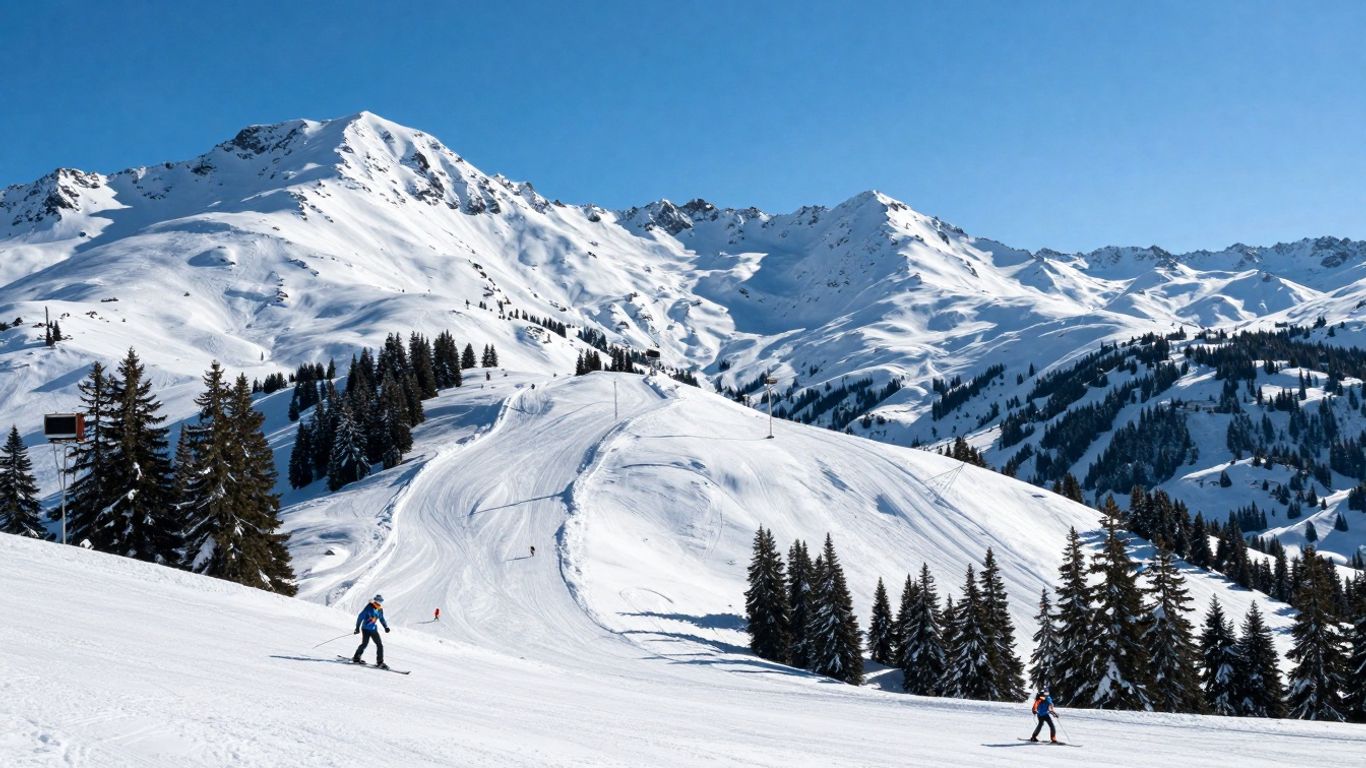
If you’re looking for a place that truly comes alive when the snow starts falling, Bansko is it. Tucked away at the base of the Pirin Mountains, this town has earned its reputation as Bulgaria’s premier ski destination, and honestly, it’s easy to see why. It’s not just about the skiing, though; Bansko offers a full winter experience.
The ski slopes here are seriously impressive, drawing crowds from all over Europe. You’ve got a good mix of runs, from beginner-friendly areas to more challenging pistes for the experienced skiers and snowboarders. The infrastructure is pretty solid, with modern lifts and well-maintained trails. Plus, renting gear is super straightforward with plenty of shops right near the slopes. You can get everything you need without a lot of fuss.
But Bansko isn’t just for the hardcore winter sports enthusiasts. After a day on the mountain, the town itself buzzes with activity. Think cozy pubs, lively bars, and restaurants serving up hearty Bulgarian food – perfect for warming up. It’s a great spot to just relax and soak in the mountain atmosphere.
Here’s a quick rundown of what makes Bansko a winter must-visit:
- Skiing and Snowboarding: Extensive slopes catering to all levels, with modern lift systems.
- Après-Ski Scene: Vibrant nightlife with numerous bars and restaurants.
- Snowshoeing: Explore quieter, snow-covered forests for a different kind of mountain adventure.
- Local Cuisine: Enjoy traditional Bulgarian dishes after a day in the cold.
Beyond the slopes, Bansko has a charming old town with traditional houses and cobblestone streets. It feels like stepping back in time, offering a nice contrast to the modern ski facilities. It’s a place where you can really get a feel for Bulgarian mountain culture.
5. Varna – Bulgaria’s Seaside Gem
Varna, often called Bulgaria’s seaside gem, is a fantastic spot on the Black Sea coast that really has a bit of everything. It’s not just about the beaches, though they are pretty great. You can actually step back in time here, checking out old Roman baths that are still standing. Pretty cool, right?
One of the best things to do is just wander through Primorski Park. It’s this long, green stretch right by the water, and it’s packed with stuff like the aquarium and a planetarium. It’s a nice place to just chill, especially if you find one of those warm thermal springs – a real treat on a cooler day.
If you’re looking for a place to stay that’s a bit more resort-like, the coast north of Varna has some good options. Golden Sands is a big one, with miles of beach and all the amenities you could want for a relaxing holiday.
Here are a few highlights you shouldn’t miss:
- Explore the Roman Thermae: Imagine ancient Romans relaxing here – it’s quite a sight.
- Stroll through Primorski Park: Enjoy the sea air and visit attractions like the Naval Museum.
- Visit the Archaeological Museum: Get a feel for Varna’s long history.
- Relax on the beaches: Soak up the sun and enjoy the Black Sea.
Varna offers a laid-back vibe mixed with historical discoveries, making it a perfect escape for those wanting a taste of the Bulgarian coast without the overwhelming crowds you might find elsewhere.
6. Veliko Tarnovo – The Medieval Capital
Veliko Tarnovo is a place that really takes you back in time. This city, perched dramatically on the hills above the Yantra River, used to be the capital of Bulgaria back in the 13th and 14th centuries. You can totally feel that history when you walk around. The houses look like they’re tumbling down the hillsides, all colorful and stacked up, and it’s just a really unique sight.
The main attraction has to be Tsaravets Fortress. It’s this massive complex where the old Bulgarian tsars used to hang out and rule from. Exploring its walls and towers gives you a real sense of the power and grandeur of that era. It’s pretty impressive, even in ruins.
Beyond the fortress, you’ll want to wander through the old parts of town. The Asenova Quarter is full of old churches, like the Forty Martyrs Church and the Church of Sts Peter and Paul. They’re not huge, but they have this quiet, ancient feel to them. Then there’s the Varosha Quarter, which is more of the artsy area, with little shops selling crafts and souvenirs. It’s a nice place to just stroll and soak in the atmosphere.
Here are a few things you shouldn’t miss:
- Tsaravets Fortress: The historical heart of the city.
- Asenova Quarter: Home to historic churches and traditional architecture.
- Varosha Quarter: A hub for local crafts and a great place for a relaxed walk.
- Samovodska Charshiya: A street that feels like a living museum of crafts.
Veliko Tarnovo offers a journey into Bulgaria’s past, with its stunning hilltop setting and well-preserved historical sites. It’s a city that invites you to slow down, explore its winding streets, and imagine life centuries ago.
If you’re looking for something a bit different, you can even find ATV tours around the area, which sounds like a fun way to see the surrounding countryside. It’s definitely a city that has a lot to offer history buffs and anyone who appreciates a good view.
7. Seven Rila Lakes – Nature’s Marvel
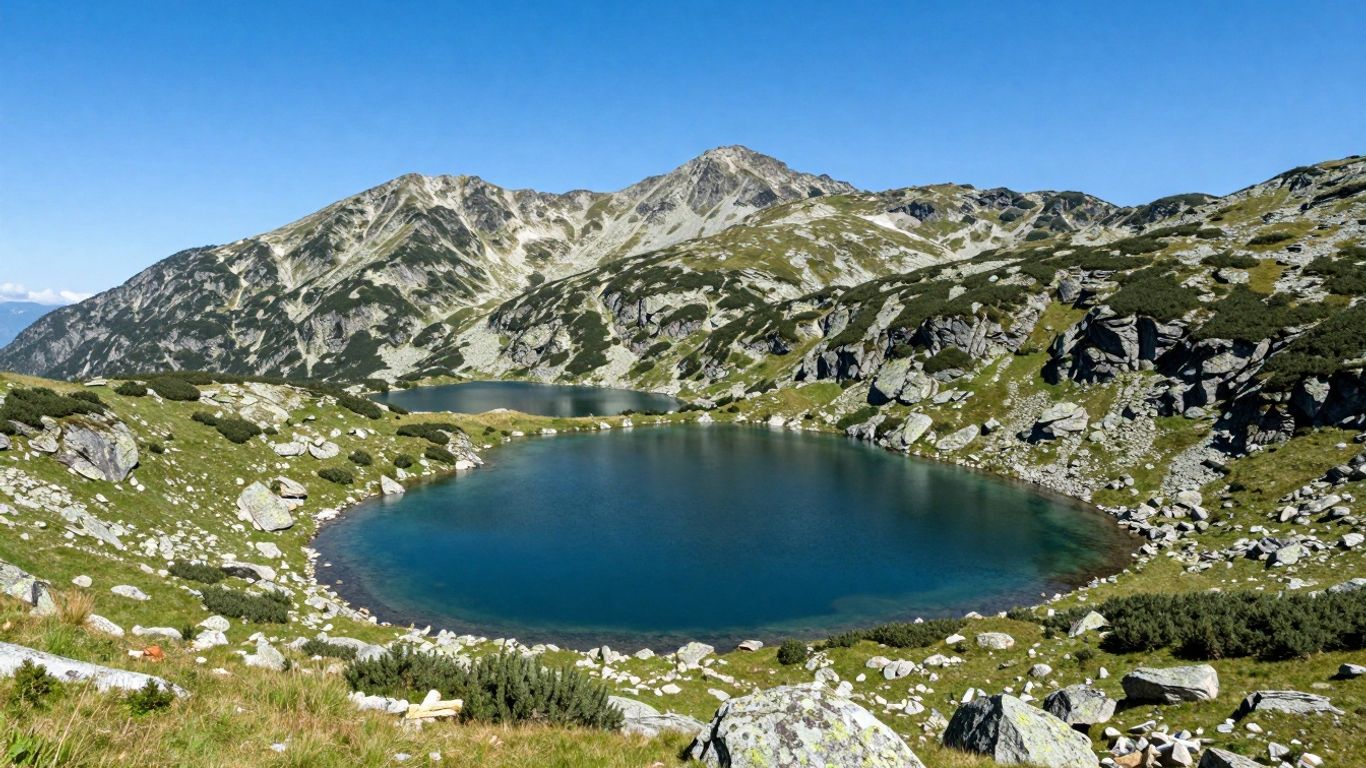
High up in the Rila Mountains, you’ll find a chain of seven glacial lakes, each with its own name and character. Getting there involves a bit of a hike, but trust me, the views are totally worth the effort. These lakes are like jewels scattered across the mountain landscape.
Each lake sits at a different altitude, and they’re connected by small streams. The names themselves give you a hint about their shapes: The Tear (Szalzata), The Eye (Okoto), The Kidney (Bubreka), The Twin (Bliznaka), The Triangle (Trilistnika), The Fish Lake (Ribnoto ezero), and The Lower Lake (Dolnoto ezero). It’s pretty cool to see how they all fit together.
Here’s a rough idea of what to expect on the trail:
- The Ascent: You’ll likely start from the Pionerska chairlift station, which cuts down on some of the climbing.
- The Trail: It’s a well-marked path, but it can get steep in places. You’ll be walking through alpine meadows and rocky terrain.
- The Views: Around every corner, there’s a new, stunning vista. The lakes themselves are incredibly clear, reflecting the sky and the surrounding peaks.
- The Descent: You can retrace your steps or take a slightly different route down.
It’s a popular spot, so don’t be surprised if you see other hikers, especially during peak season. The best time to go is usually from late June to early September when the snow has melted and the weather is generally good. Just remember to pack layers, as mountain weather can change fast.
Visiting the Seven Rila Lakes isn’t just about seeing pretty scenery; it’s about experiencing the raw, wild beauty of Bulgaria’s highest mountain range. It’s a place that makes you feel small in the best possible way, reminding you of the power and artistry of nature.
8. Belogradchik Rocks – Nature’s Sculptures
Just when you think Bulgaria has shown you all its natural wonders, you stumble upon the Belogradchik Rocks. Located in the northwestern part of the country, this place feels like stepping onto another planet. Imagine giant sandstone and limestone formations, sculpted by wind and water over millions of years into all sorts of wild shapes. Some look like animals, others like mythical creatures, and some are just… well, weirdly wonderful.
These rocks are truly a testament to nature’s artistry. The area isn’t just about looking, though. There are trails winding through the formations, perfect for a hike. You can explore the Belogradchik Fortress, which is built right into the rocks themselves, offering amazing views and a peek into history. It’s a place where you can really feel small against the backdrop of immense natural power.
Here’s a quick rundown of what makes it special:
- Unique Rock Formations: The sheer variety and bizarre shapes are unlike anything else. Think of them as giant, natural sculptures.
- Belogradchik Fortress: An ancient fortress integrated into the rocks, offering historical insights and panoramic vistas.
- Hiking Trails: Numerous paths allow you to get up close and personal with the rocks and enjoy the surrounding landscape.
- Local Legends: The shapes of the rocks have inspired many local myths and stories over the centuries.
Visiting the Belogradchik Rocks is a reminder of the slow, powerful forces that shape our world. It’s a place that sparks the imagination and makes you appreciate the raw beauty of the earth.
9. Kazanlak – The Rose Valley
When you think of Bulgaria, you might picture mountains or historical sites, but there’s a whole region dedicated to something much more fragrant: roses. Kazanlak, smack in the middle of the Rose Valley, is the heart of it all. This area is famous worldwide for producing high-quality rose oil, which ends up in perfumes and cosmetics everywhere.
The peak season for the roses is usually late May to early June, so timing your visit then is a good idea if you want to see the fields in full bloom. It’s quite a sight, with rows upon rows of Damask roses stretching out. You can even learn about the whole process, from picking the petals to distilling the oil.
Here’s what you can do in Kazanlak:
- Visit the Rose Museum: Located in Kazanlak, this museum is dedicated to the history and production of rose oil in Bulgaria. You’ll see old tools and learn about the traditions.
- Explore the Thracian Tomb of Kazanlak: This is a UNESCO World Heritage site, famous for its incredibly well-preserved frescoes dating back to the 4th century BC. It gives you a peek into the ancient Thracian culture.
- Attend the Rose Festival: If you’re there in early June, you’re in for a treat. Kazanlak hosts an annual festival celebrating the rose harvest with parades, folk music, and dancing. It’s a really lively event.
The process of extracting rose oil is quite labor-intensive. It requires picking the rose petals by hand, usually in the early morning hours before the sun gets too hot, to preserve their fragrance. These petals are then quickly transported to distilleries where the precious oil is extracted through steam distillation. It takes a huge amount of rose petals to produce just a small amount of oil, which is why it’s so valuable.
Beyond the roses, Kazanlak offers a glimpse into Bulgaria’s ancient past. The Thracian tomb is a standout, but the surrounding area has other historical sites too. It’s a place that connects you to both nature’s beauty and deep history.
10. Pamporovo – A Winter Paradise
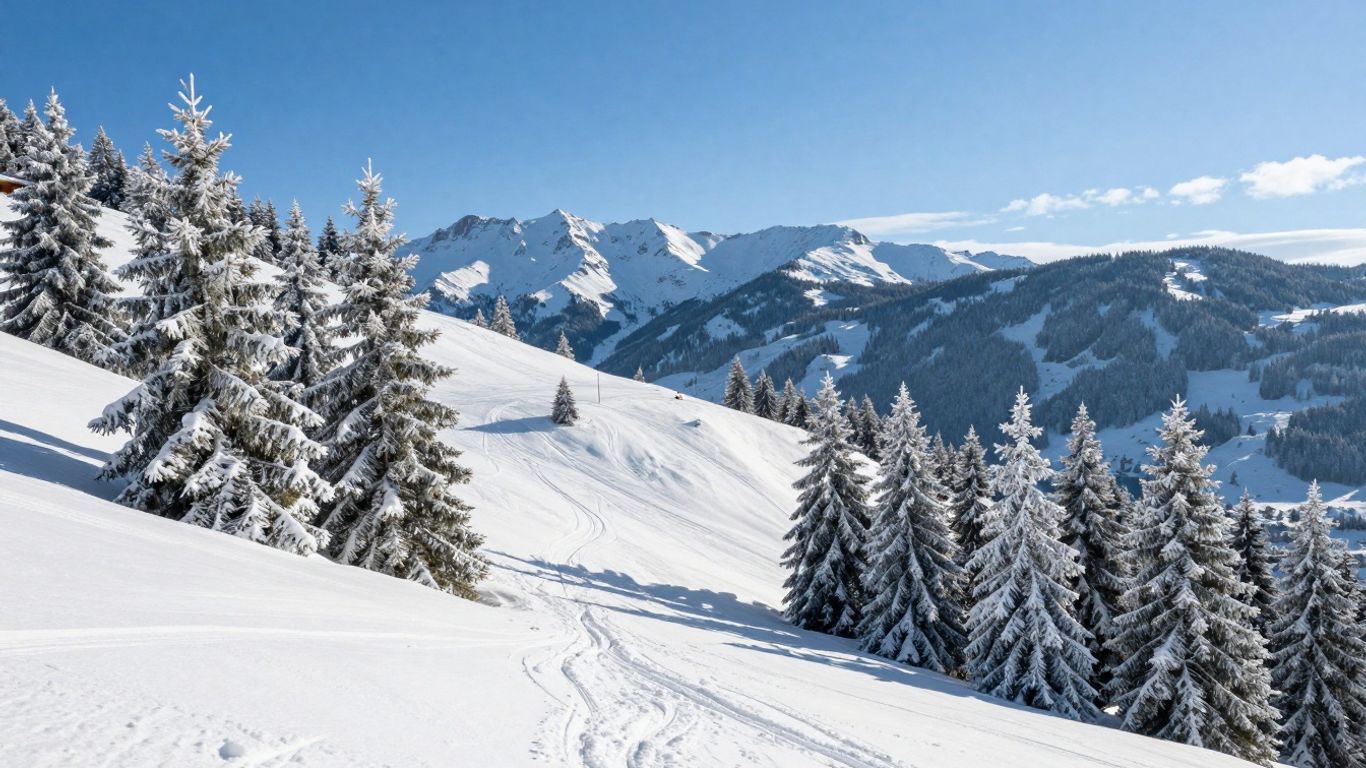
If you’re looking for a place to hit the slopes and soak up some winter vibes, Pamporovo is definitely worth checking out. It’s one of Bulgaria’s most popular ski resorts, and for good reason. The slopes here are generally considered more beginner-friendly compared to some other spots, making it a great choice if you’re just starting out or bringing the family along. Plus, it gets a lot of sunshine, which is always a bonus when you’re out in the snow.
What I really like about Pamporovo is the atmosphere. It feels cozy and welcoming, not overly commercialized. You can find a good range of accommodation, from simple guesthouses to more upscale hotels, many of which are right near the ski lifts. The food scene is pretty decent too, with plenty of traditional Bulgarian dishes to try after a day on the mountain.
Here’s a quick rundown of what makes Pamporovo a good winter destination:
- Sunny slopes: It boasts a high number of sunny days throughout the ski season.
- Varied terrain: While known for beginner runs, there are also intermediate slopes for those looking for a bit more challenge.
- Family-friendly: The resort often has activities and facilities geared towards families with children.
- Affordability: Generally, it offers good value for money compared to many Western European ski resorts.
Pamporovo is nestled in the heart of the Rhodope Mountains, a region known for its stunning natural beauty even outside of winter. The resort itself is well-equipped with modern ski lifts and runs, catering to a range of skill levels. It’s a place where you can enjoy the thrill of skiing without feeling overwhelmed by huge crowds, especially if you visit outside of peak holiday weeks.
Getting there is usually straightforward, with transport options available from major cities like Sofia and Plovdiv. It’s a place that really captures the essence of a winter getaway without breaking the bank.
Your Bulgarian Adventure Awaits
So, there you have it – a glimpse into the amazing places Bulgaria has to offer. From ancient cities and mountain peaks to Black Sea shores and delicious food, this country really has a bit of everything. It’s the kind of place where you can find history around every corner and stunning nature just a short drive away. Whether you’re looking for a chill beach holiday or a serious hike, Bulgaria’s got you covered. It’s definitely a spot that deserves a place on your travel list. Go ahead, start planning, and get ready for an adventure you won’t forget.
Frequently Asked Questions
What are the must-see places in Bulgaria?
Bulgaria has so many cool spots! You should definitely check out Sofia, the capital city, for its mix of old and new. Plovdiv is super old and has a charming vibe. For nature lovers, the Rila Monastery and the Seven Rila Lakes are breathtaking. If you like winter sports, Bansko and Pamporovo are great. And don’t forget Varna on the Black Sea coast for some sun and fun!
Is Bulgaria a good place for adventure?
Absolutely! Bulgaria is fantastic for adventure. You can go hiking in the Rila Mountains, ski in Bansko or Pamporovo during winter, explore the unique Belogradchik Rocks, or enjoy water sports along the Black Sea coast. There are tons of outdoor activities for everyone.
What makes Bulgaria unique?
Bulgaria is special because it’s a mix of ancient history and beautiful nature. It has some of the oldest cities in Europe, like Plovdiv, and amazing historical sites like the Rila Monastery. Plus, its landscapes range from sunny beaches to high mountains, and it’s famous for its rose oil from the Rose Valley. It’s a country full of surprises!